Stop Fighting Your Oven’s Heat
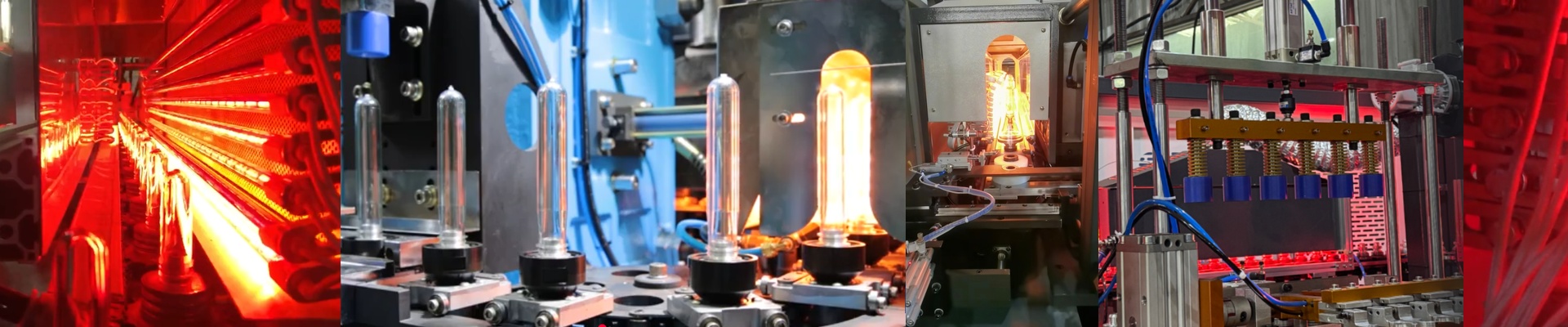
Ever notice how industrial ovens seem to have a mind of their own? You hit your target temperature, the power cuts off, but the oven just… keeps getting hotter. That’s the problem with heavy cast-iron or thick ceramic heaters. They soak up all that heat like a sponge and then bleed it out slowly, even when you don’t want them to. It’s a waste of electricity and a headache for anyone trying to get a perfect bake. That’s why we use circular quartz tubes.
The magic of “instant” heat
Here’s the thing: quartz doesn’t hang onto heat. It just passes it right through as infrared energy, straight into your dough. Because there’s almost no “lag,” you can flick the heater on and off in seconds. You aren’t fighting against a glowing hunk of metal that stays hot for ten minutes after the power is gone. Your controller can actually do its job, keeping the temperature tight and steady. The result? You stop overshooting your mark, and your electricity bill actually starts to look reasonable.
The trade-off (Keep them safe)
We use high-purity quartz because it lets that IR energy fly. Plus, the circular shape means the heat spreads evenly, so you don’t end up with some loaves that are burnt on one side and raw on the other. It’s a lot of power in a very small package. But, there is a catch. Quartz is brittle. It can handle a massive jump in temperature without flinching, but it hates being hit. If your loading mechanism is shaky or vibrates too much, one wrong bump and you’ve got a crack. Just make sure your mounting brackets are tight and secure.
Getting it running
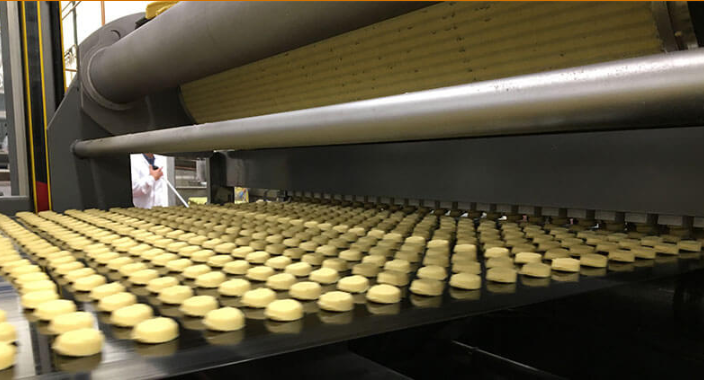
These are designed to be easy drop-in replacements for your existing bakery arrays. We’re talking about getting to temperature in seconds, not minutes. One quick tip: if you’re using high-speed switching, double-check your relays or SSRs. Since these tubes cycle on and off so rapidly, your electrical components are working a lot harder than they would in a slow-ramp system. Make sure they’re rated for the job so you aren’t replacing a relay every few months.