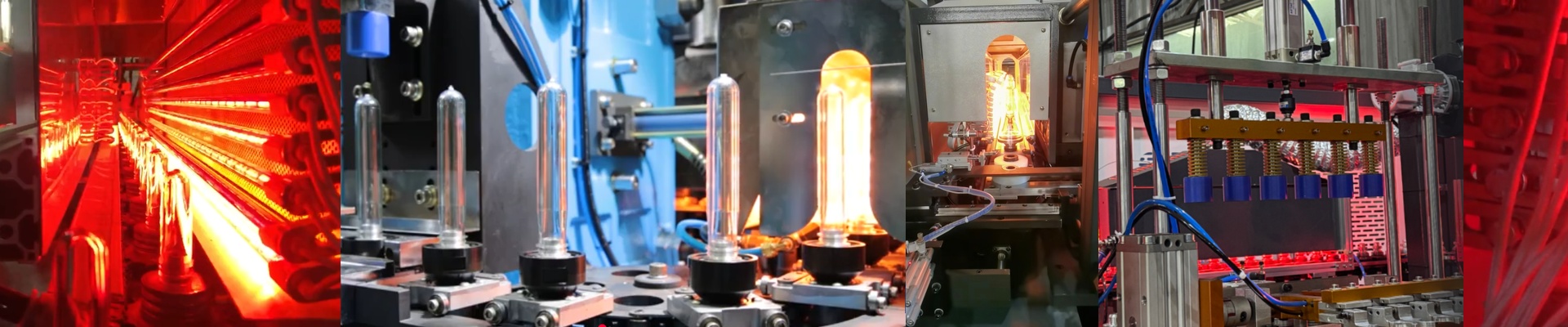
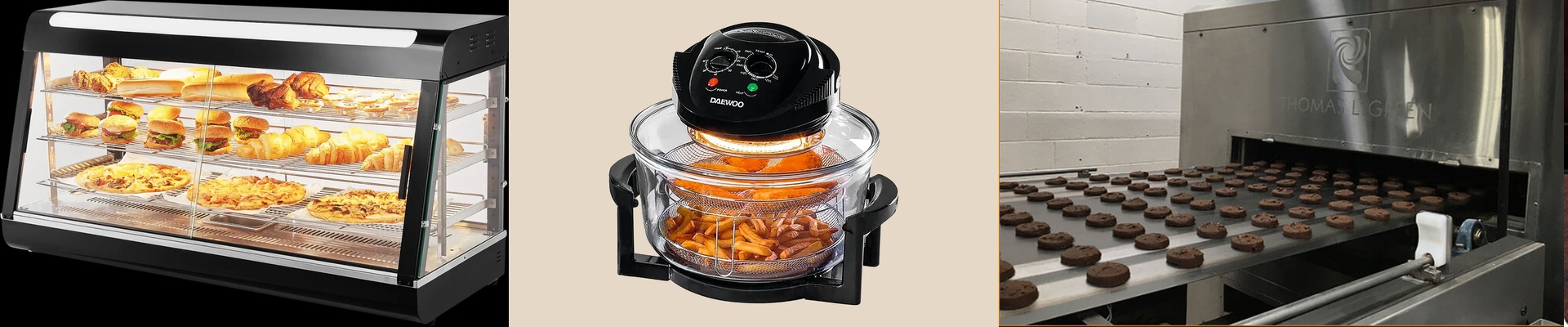
When the rush hits and tickets stack up, the oven has to pull its weight—every single time. If the heat lags, recovery drags, and your crust loses that crisp edge that keeps people coming back, service falls apart fast. We designed our restaurant oven quartz tube heating elements to keep the baking chamber stable under pressure, so you can run full service without cutting corners on quality. What matters, technically, is how the heat hits the dough. Quartz tubes deliver fast, clean radiant heat that penetrates quickly, driving moisture out and setting the crust early. They run on standard voltage options and drop into common mounting brackets, so swaps are straightforward in most deck and rotary ovens. They come up to temp fast, which shortens preheat and cuts idle time between bakes. The payoff is tighter temperature control and fewer swings that can soften the crust or leave centers underdone. In a busy restaurant oven, recovery is where you earn your stripes. Quartz tubes get the heat back fast after door openings, so bake times stay consistent from the first pie to the last. That means better caramelization, cleaner lift, and a texture you can count on all shift. You also see lower energy use per bake cycle, because shorter preheat and quicker recovery keep the oven running efficiently instead of chasing temperature. Here’s the part to respect: quartz tubes are sensitive to handling. Install with clean, dry hands and square the ends in the sockets so you don’t create uneven contact and premature hot spots. Make sure your oven’s thermostat and wiring match the element’s rated amperage, and verify clearance to the stone hearth so you don’t overheat nearby surfaces. Used within spec, these tubes hold up in high-volume service, but they still need routine inspection and timely replacement when you spot discoloration or weak connections.