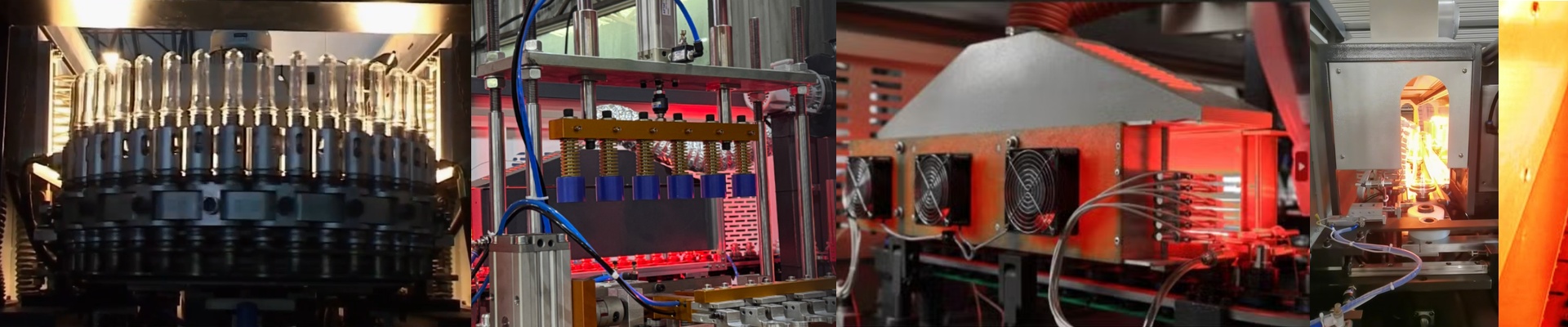
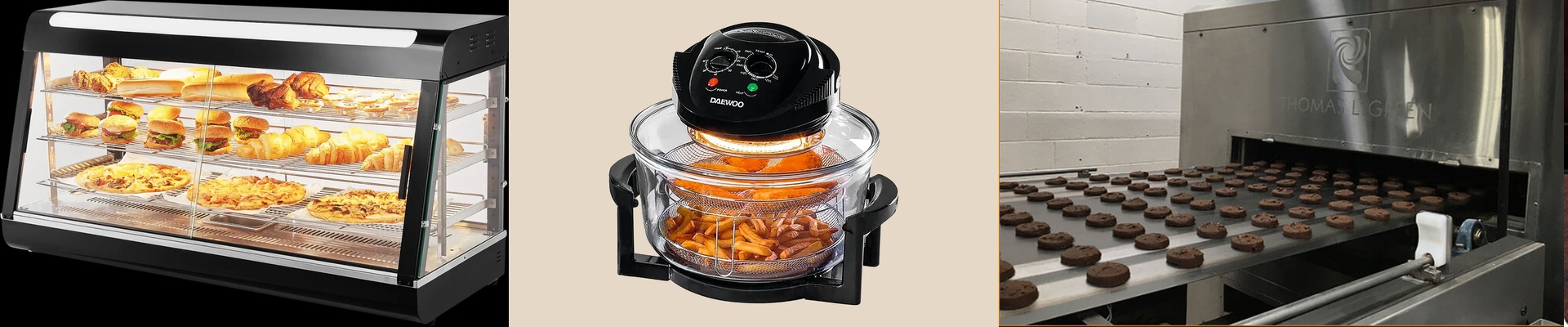
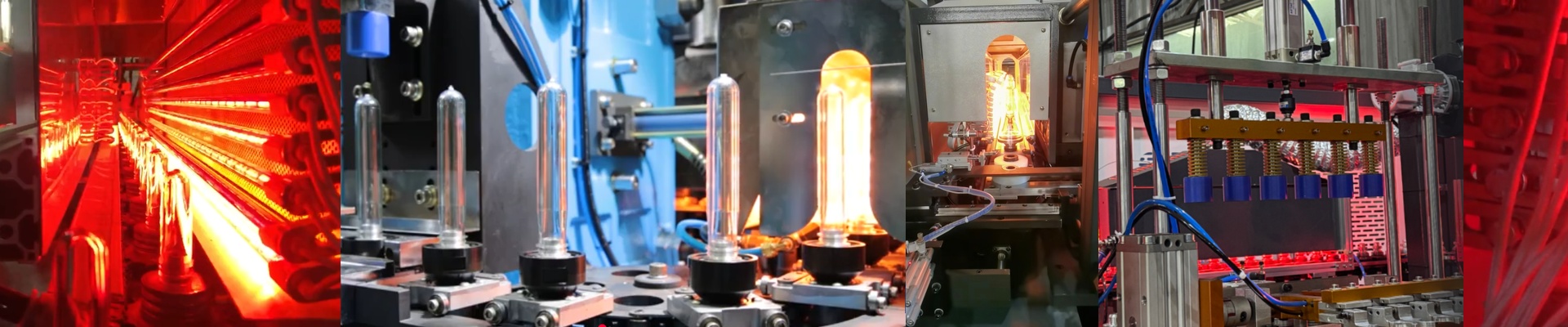
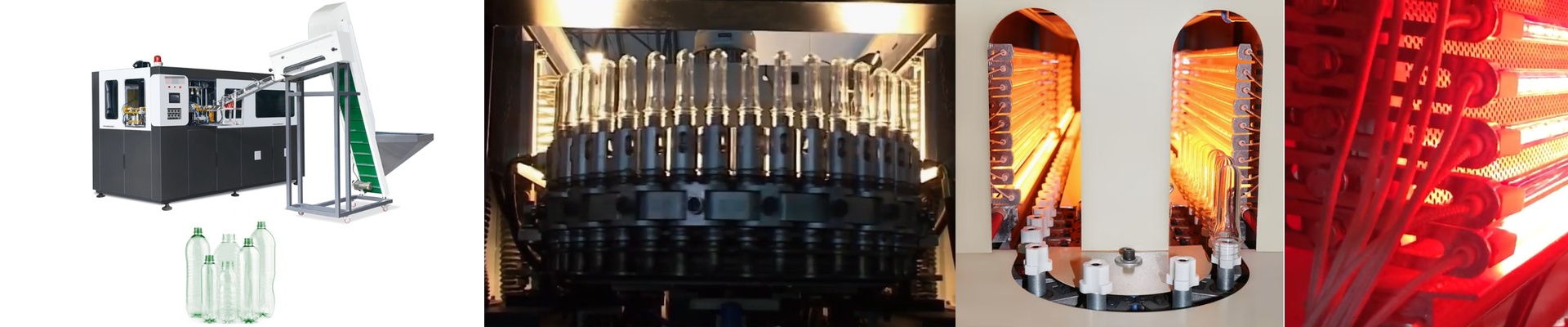
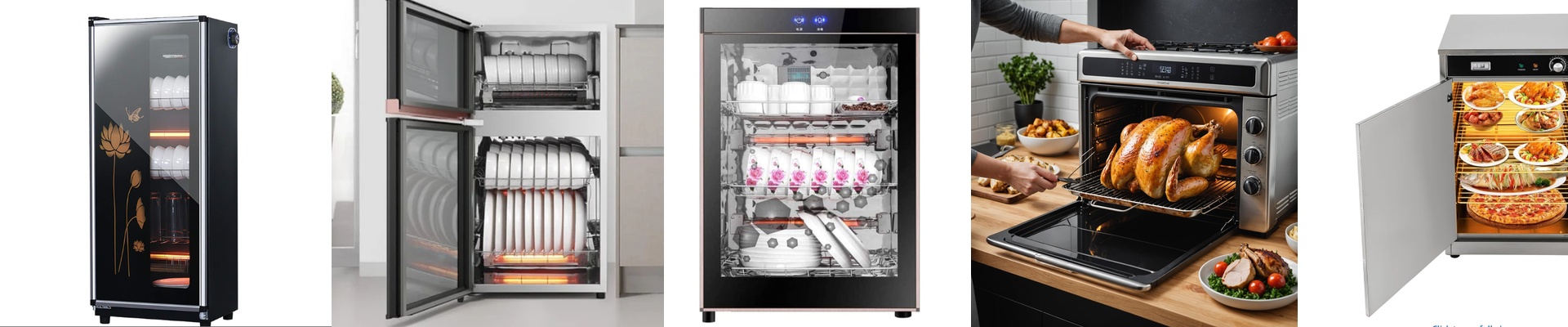
When the dinner rush hits, your main oven chamber is maxed out. The backup deck or holding area needs heat right now—not five minutes from now. A lag in auxiliary heating kills your rhythm and dries out finished product. We designed our infrared heating element to close that timing gap, putting heat exactly where you need it, exactly when you need it. What actually matters under the hood Infrared auxiliary elements earn their keep because they turn electricity into radiant energy with almost zero warm-up. Quartz emitters hit operating temperature in seconds, so the response is immediate when you flip the switch. You get precise, repeatable control: set the power, and the target surface gets steady, even radiation instead of gusts of hot air. That matters on stone hearths and in holding zones, where surface temperature governs crust, caramelization, and moisture retention. In practice, you can hold finished pizzas at service temperature without scorching the bottom, and you can preheat a spare deck fast enough to keep tickets moving. Why this fits the way you run In a restaurant oven lineup, auxiliary heating is about workflow and quality control. Infrared gives you rapid recovery after door openings, holds setpoints with tighter tolerances than many convection setups, and directs heat right at the product or the hearth—less wasted energy heating empty air. The payoff is shorter preheat windows, fewer temperature swings during peak service, and more consistent bakes across the menu. Energy use drops because the element is duty-cycled and because the radiant profile keeps the baking chamber more stable. What you need to get right Infrared performs best when the element has a clear line of sight to the target and proper clearance. Keep reflectors clean, and make sure the mounting hardware can handle the thermal expansion of the quartz tube. Before ordering, verify voltage and connector compatibility with your oven’s terminal block, and confirm the rated watt density matches your intended holding or preheat profile. In high-humidity environments, choose the right protective housing to prevent premature failure.