
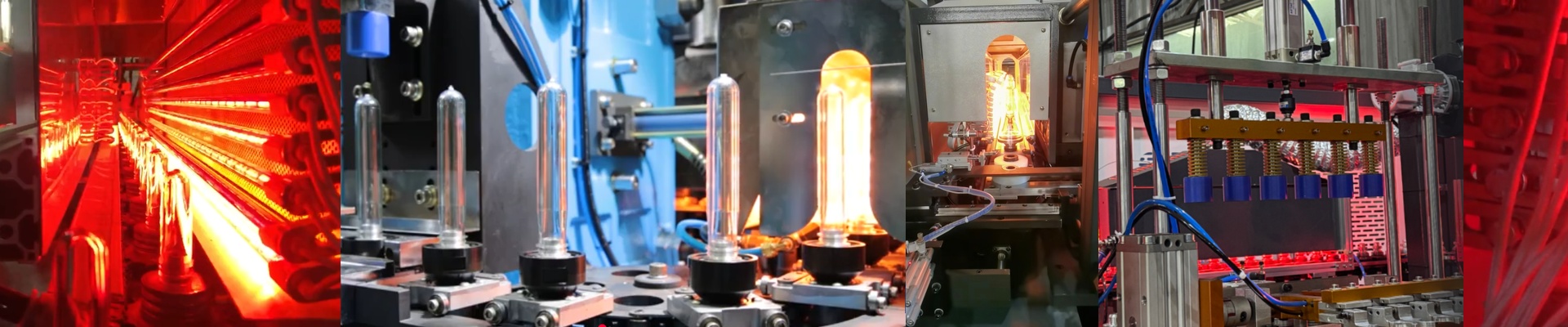

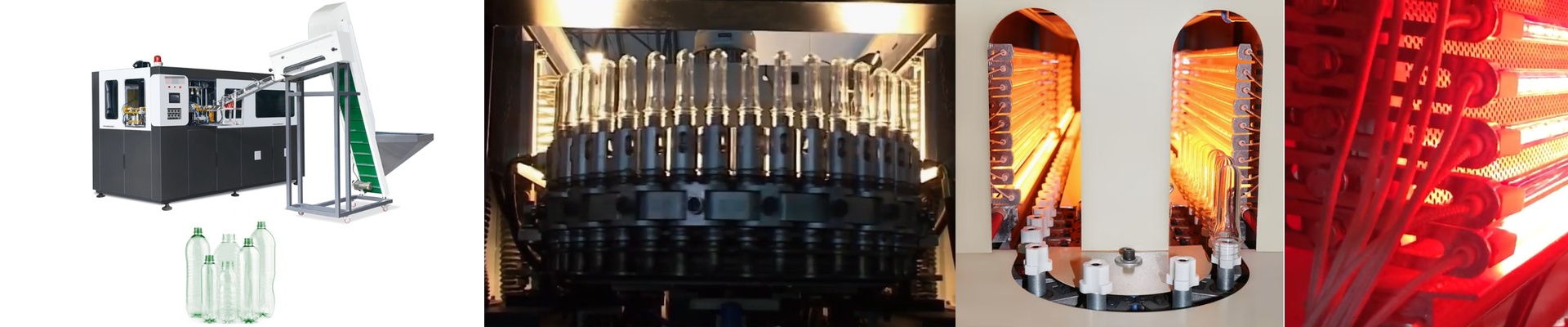
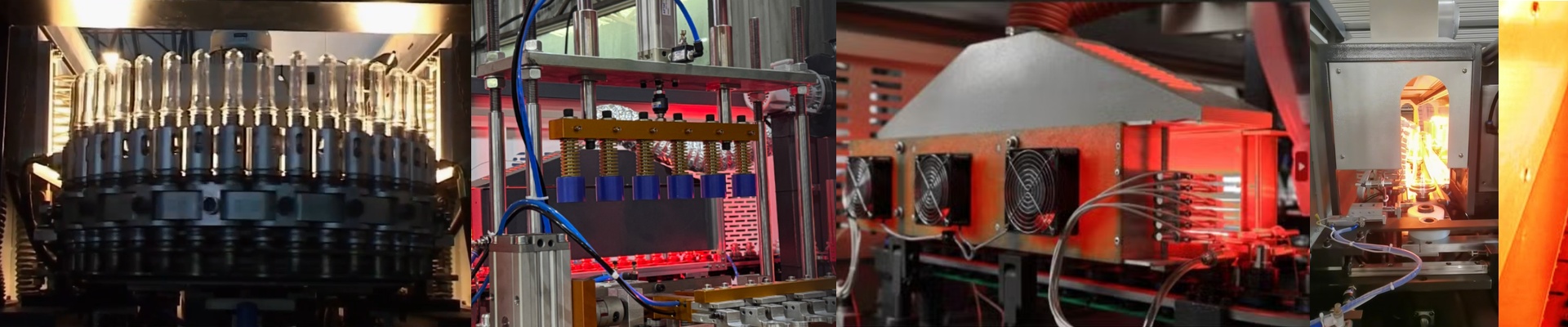
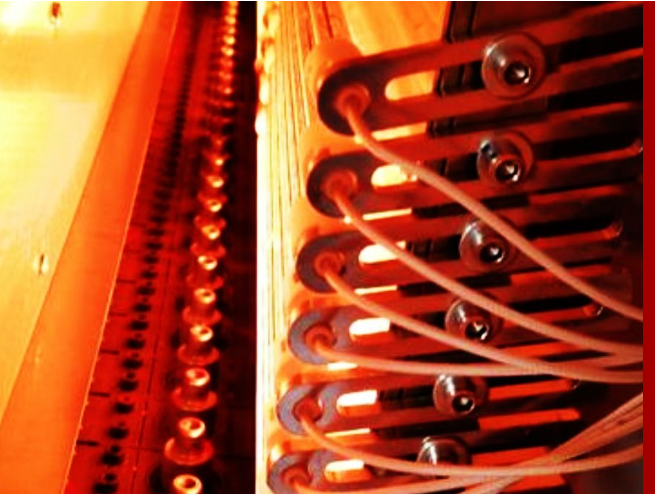
On the blow molding line, preform heating is where the whole run lives or dies. Let the heat profile drift, and you’re staring down uneven wall thickness, blown parisons, and scrap piling up while the machine keeps churning. We built the PC preform infrared heating module 2500W to break that cycle—by putting repeatable, stable heat back into the heating tunnel where it actually matters.
What matters under the hood
This module is a 2500W infrared emitter, centered on a quartz tube and a halogen lamp, tuned for fast response and tight temperature control in the preform heating zone. It runs on standard voltage configurations and is dimensioned to fit the envelope and mounting points on mainstream blow molders. The R7s connector and the tolerances are set to OEM expectations, so the lamp drops into the reflector assembly clean—no wobble, no alignment issues. Those two things are exactly what cause hot spots and inconsistent heating.
Why it holds up on real lines
Compatibility isn’t a pitch; it’s a spec. This 2500W infrared heating module is designed as a direct replacement for heating sections on Sidel Matrix, Krones Contiform, and Husky HyPET platforms, among others. When you swap it in, you’re not re-engineering the heating tunnel—you’re restoring the heat profile the machine was designed to run. That means fewer temperature swings, more consistent preform stretch behavior, and bottle quality you can count on shift after shift. In practice, you get fewer line stops for scrap, less rework, and output that stays stable at the speeds your blow molder is capable of.
What to watch for
Installation is straightforward, but the heating tunnel is a harsh environment. Keep the reflectors clean and aligned—even a small misfit changes the energy density hitting the preform. Lamp life isn’t just about run hours; it’s driven by on/off cycles. Frequent starts hammer the lamp with thermal stress. For best results, match the lamp to the existing control strategy and verify setpoints with a pyrometer. If your machine runs heavy cycles or long hours, plan preventative replacement. That’s how you avoid the kind of unplanned downtime nobody wants.