
Power and Voltage: The Real Deal
Let’s talk about the heart of these heaters. We built them around a specific power setup for a reason. That 2500W output at 400V? Totally intentional. It’s what gives you that fast, dense burst of heat—exactly what industrial spaces need. This voltage isn’t random, either. It means you can plug straight into a standard three-phase industrial power system, without messing around with extra transformers on the shop floor. The wattage is what gives you that rapid ramp-up, so the temperature climbs quickly. But here’s the thing—that kind of power draw needs a solid electrical circuit. You’ve got to make sure your wiring and contactors are tough enough to handle the full load. If they’re not, you’re just asking for them to burn out early.
The Halogen Core: What Makes It Tick
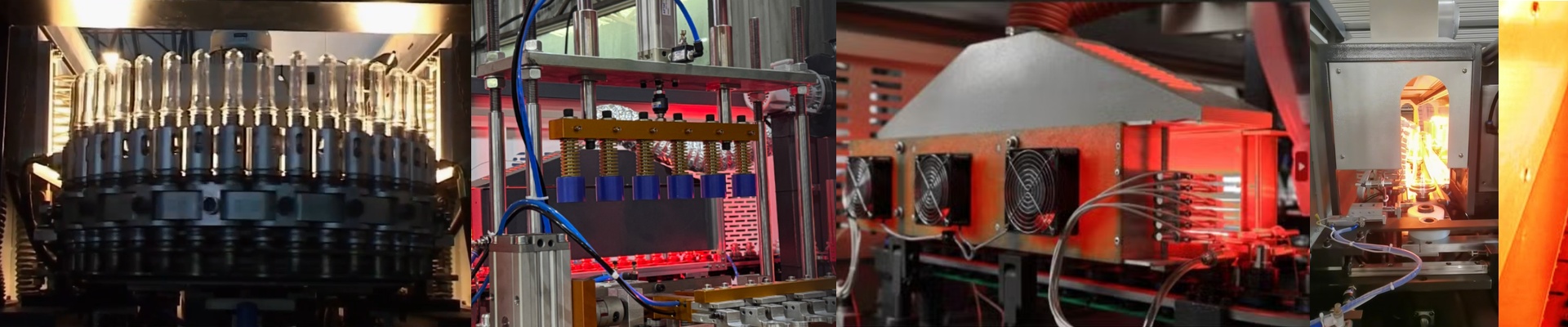
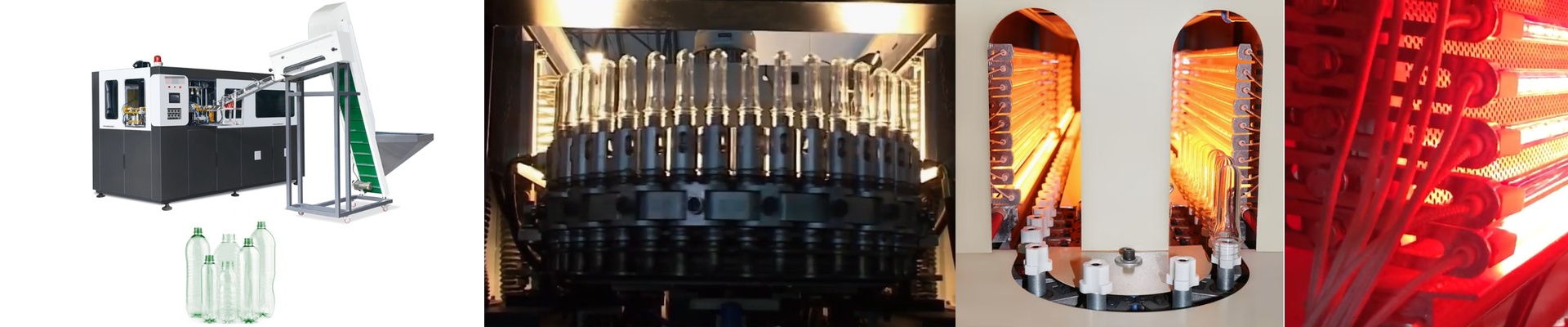
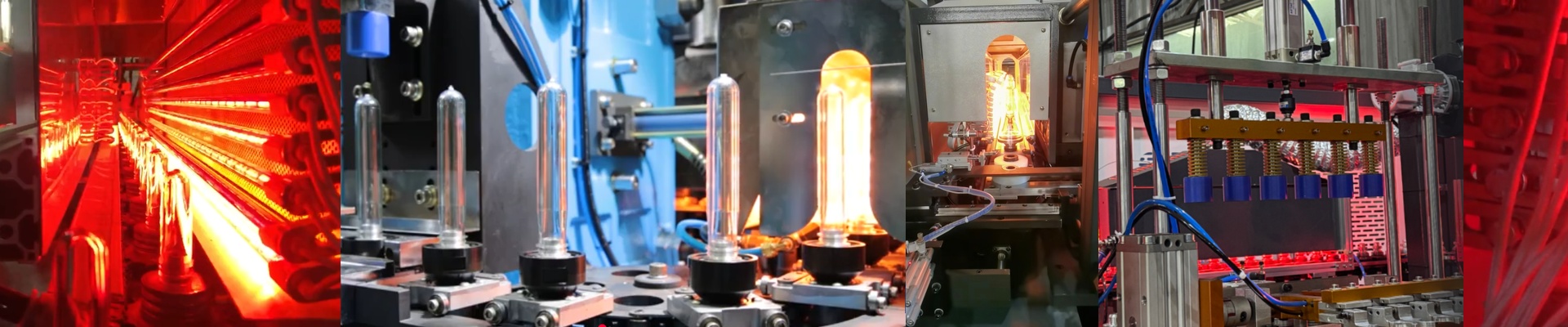
Inside every heater is that halogen-filled quartz tube. It’s the core, and for good reason. The halogen cycle keeps the heating element clean and stable, so you get consistent performance hour after hour—literally thousands of them. The light it puts out is shortwave infrared. It cuts right through the air and warms objects directly, not just the air around them. And the 300mm length? It’s a small footprint, which means you can fit it into tight spots—like right inside machinery or small enclosures. Then there’s the R7s connector. It’s the standard for a reason. It gives you a secure, two-point connection that handles high current without loosening up or sparking, even when things are vibrating constantly.
Where It Shines and What to Watch For
This setup is built for industrial work. It’s a no-nonsense combo of high wattage, shortwave output, and a rugged quartz shell. Perfect for spot heating, curing, or just keeping a drafty factory area at the right temperature. And if you’ve got an existing R7s-type heater, this one drops right in. Now, that concentrated heat comes with a trade-off. The area around the heater gets seriously hot. So make sure any nearby parts can take the heat, and give it plenty of clearance. That’s not optional—it’s just smart, safe operation.