You know that feeling. It’s 7:45 on a Friday, the line is backing up, and your deck oven is playing catch-up. The stone hearth finally hits setpoint, but the top of the crust is still pale because the upper heat hasn’t caught up. So you crank the thermostat to compensate, and then you’re stuck with scorched spots and bakes that are all over the map. That’s exactly where a restaurant heat bridge lamp earns its keep. It throws targeted infrared heat right where you need it—above the product—so the bake finishes faster, the crust blisters more evenly, and the kitchen keeps moving without wasting energy heating the whole oven chamber.
What matters technically
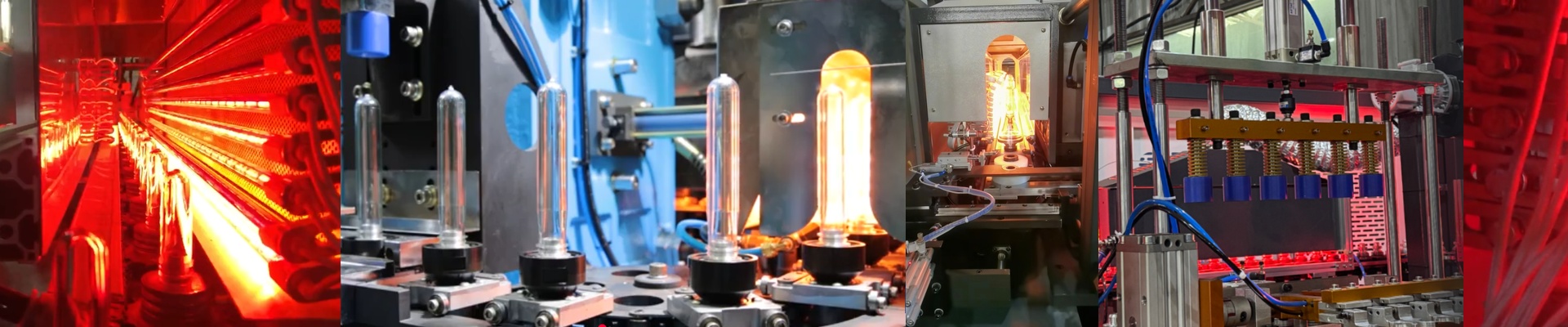
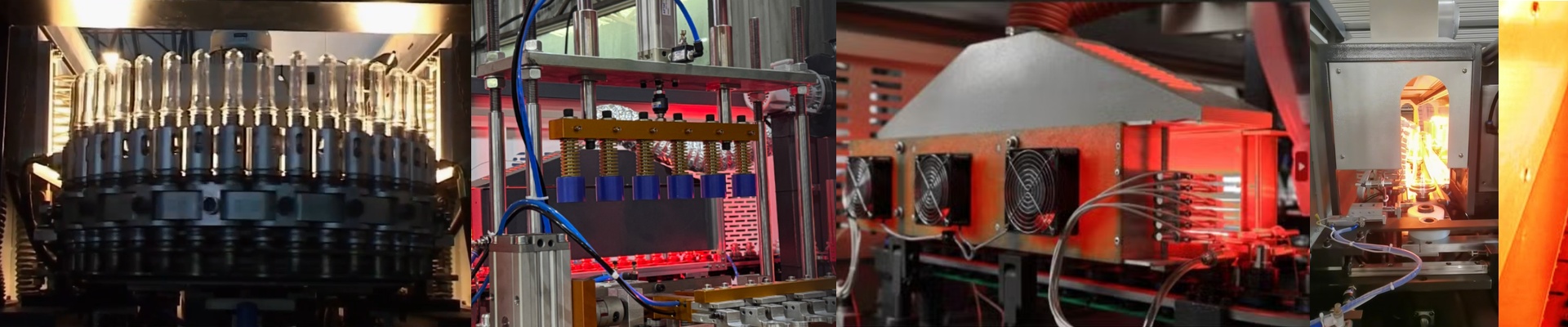
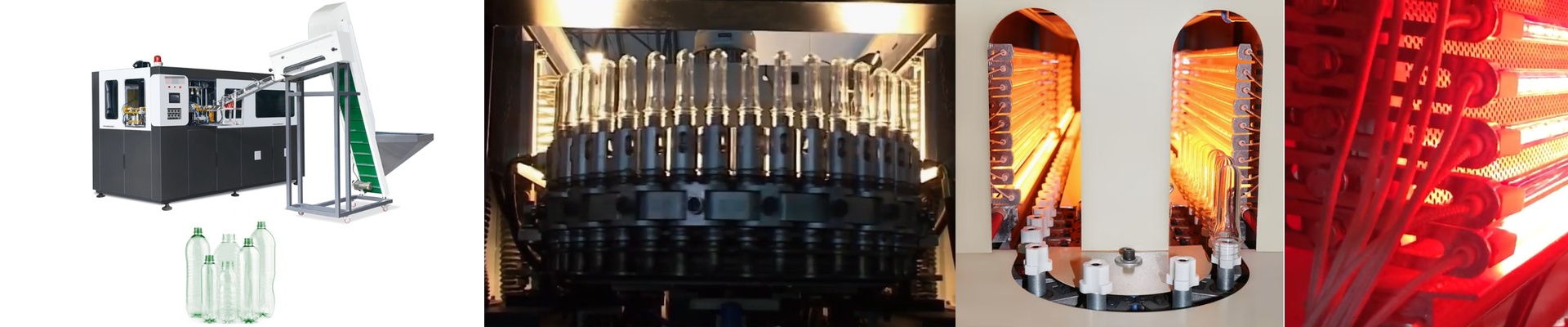
A heat bridge lamp isn’t just a heat lamp. It’s a focused infrared setup built to live inside commercial ovens, not hover over a pass-through. We build the core around high-output quartz infrared emitters. They deliver energy straight to the food surface, without having to heat every square inch of the oven interior. The payoff is faster surface browning and caramelization, while the hearth or lower deck handles the heavy lifting on throughput. Specs that matter in a working kitchen:
- **Voltage and power:**Usually 120V or 240V configurations, sized to complement deck and convection ovens, not overpower them. Power is tuned to respond fast without tripping kitchen electrical protections.
- **Emitter choice:**Quartz infrared emitters give a clean heat profile with quick warm-up. For certain applications, you can spec short-wave or medium-wave to match product thickness and the crust you’re after.
- **Mounting and clearance:**The lamp assembly is engineered to mount inside the oven cavity, with defined clearances to decks, stones, and pans. That keeps the heat focused on the product, not the nearest metal surface.
- **Controls:**A dedicated control interface—from simple on/off to variable intensity—lets you set the lamp to match the bake profile, instead of forcing the oven to chase one temperature for everything on the menu.
- **Durability in heat:**The assembly uses high-temperature components and shielding so it can live in the same environment as a deck oven, rotary oven, or convection oven without giving up early. On the line, what you feel is response. The lamp comes up fast, and the product reacts fast. That matters when you’re running pizzas, flatbreads, or artisan breads with tight service windows.
Why it works here
In a busy restaurant, the oven rarely runs one recipe. You’re switching between thin-crust pizzas that need hard top heat, thick focaccia that needs a gentle finish, and reheating prep items that have to stay moist. A single oven setting can’t do all of that well. Add a heat bridge lamp and you get control where it counts—over the top surface.
- **Faster finishing, not just faster heating:**Infrared energy targets the crust and toppings. That means you can finish a pizza in less time without overheating the stone or the oven hood.
- **More consistent browning:**Instead of hot spots from burners cycling on and off, the lamp lays down even radiant heat across the product. You get more uniform caramelization, fewer pale patches, and fewer burnt edges.
- **Better workflow:**When the bake finishes faster, tickets move faster. Your staff isn’t waiting for the oven to recover, and the oven isn’t wasting energy heating air that never touches food.
- **Energy discipline:**Because the lamp heats the product directly, you can run the oven chamber at a steadier, often lower, setpoint and use the lamp for the final burst of heat. That cuts overall energy draw per bake cycle and lowers the heat load in the kitchen.
- **Menu flexibility:**The lamp lets you tune top heat for different items. Thin crusts get a crisp blister without drying out. Thicker breads get a controlled finish that doesn’t harden the crust before the interior is set. This is the difference between chasing temperature and managing heat. In a deck oven, you get the classic hearth effect plus precise top heat that finishes the bake cleanly. In a convection oven, you get the benefit of air movement for even cooking, plus infrared for crust development that convection alone can struggle to deliver.
Things to know
A heat bridge lamp is straightforward, but it has real-world constraints you need to plan around.
- **Compatibility:**The lamp is built for commercial ovens—deck ovens, rotary ovens, and convection ovens—but installation details vary by make and model. Confirm mounting points, clearances, and control integration before ordering.
- **Clearance to product:**Keep the lamp at the specified distance from the deck, stone, pan, or product. Too close and you risk over-browning; too far and you lose the finishing effect.
- **Electrical requirements:**Match the lamp’s voltage to your kitchen supply and make sure the circuit has enough capacity for the peak load, especially if you’re running multiple units or other high-draw equipment on the same line.
- **Operating environment:**These are built for heat, but they still need airflow and protection from direct contact with steam, grease, and cleaning chemicals. Use proper shielding and follow cleaning protocols to protect the emitter and housing.
- **One honest trade-off:**The lamp adds focused heat, which is exactly what you want for finishing. But it doesn’t replace the oven’s primary heating system. Plan your bake profile so the oven does the bulk cooking and the lamp does the finishing. That pairing is what delivers speed, quality, and consistency. If your bottleneck is oven recovery, uneven browning, or ticket times that slip during peak service, a restaurant heat bridge lamp is a practical way to put more control into the bake—without rebuilding your kitchen around a new oven.