When the line is moving and the rotary oven is loaded, uneven heat shows up fast: pale crowns, dark heels, and a crust that fights the slice. You need heat that lands evenly across every pan, every time.
What Matters Technically
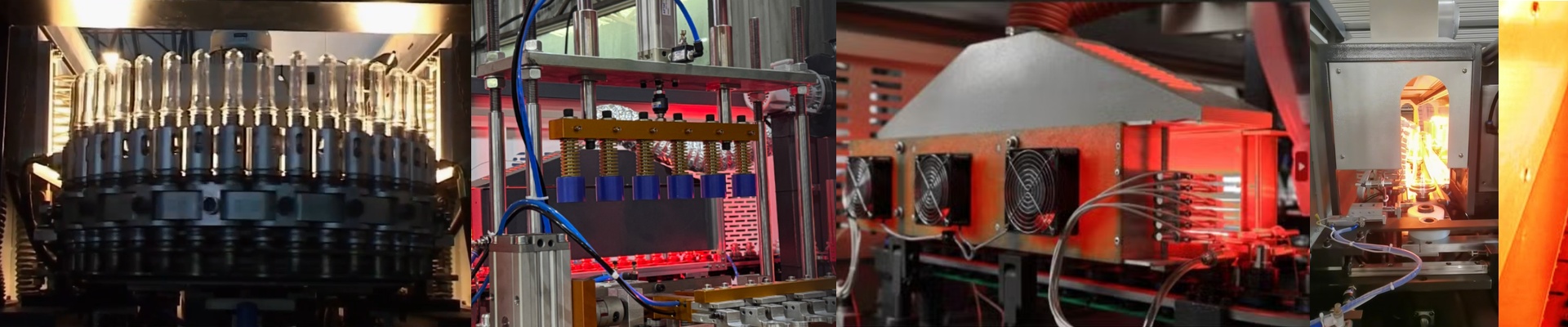
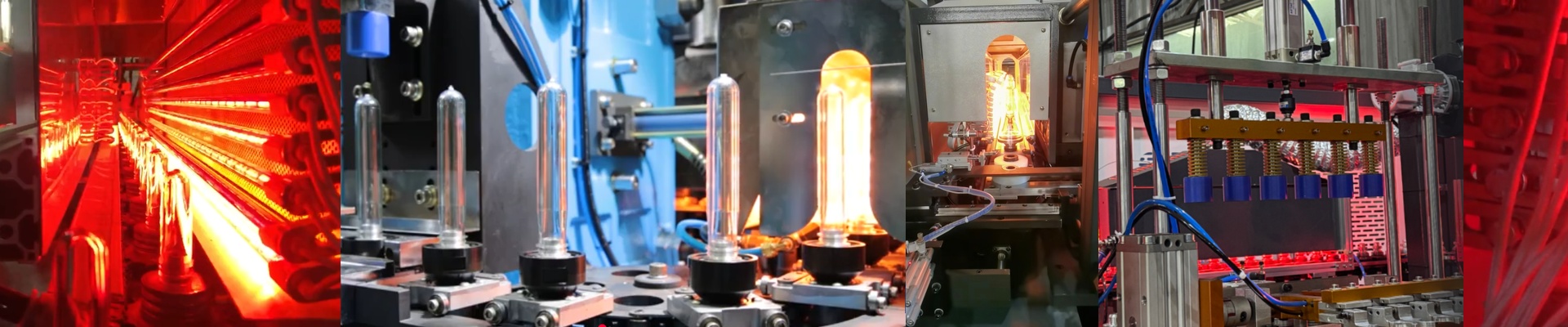
We built the rotary oven IR emitter around near-infrared (NIR) quartz tubes that respond fast and hold their output steady. The emitters hit full intensity in seconds, so the baking chamber recovers quickly between loads. We tune the output to match typical rotary profiles—high heat to set the product, then a controlled hold—so you can dial in the right balance of top heat and bottom heat. The geometry is laid out to spread intensity across the full width of the belt, cutting down hot spots and cold corners. The specs are straightforward: standard voltages, compact mounting, and terminals that stay tight through vibration and thermal cycling.
Why It Works Here
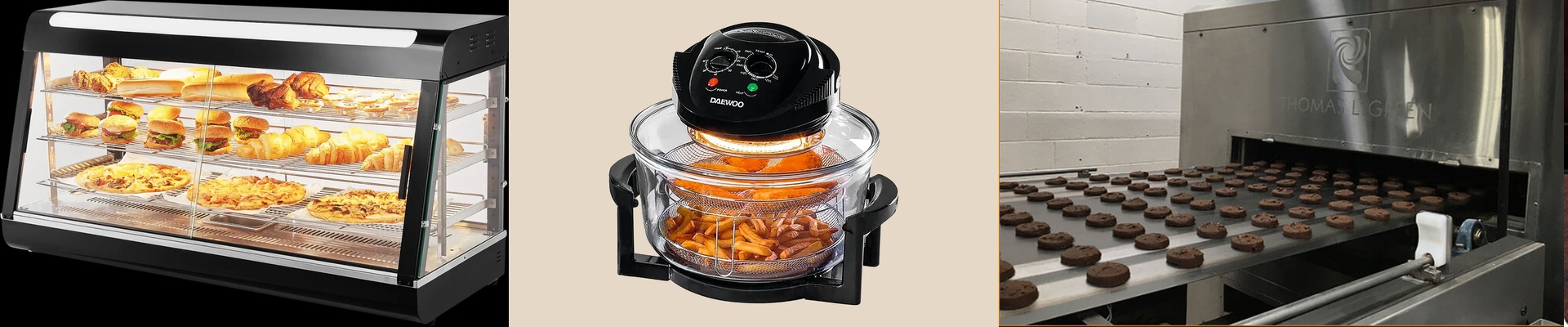
In a rotary oven, speed is only worth it if the product is consistent. The IR emitter hits the surface directly, giving even browning and a crisp crust without drying out the interior. That means loaves that spring uniformly, rolls that color evenly, and pastries that set clean. Recovery is fast, so you keep the same profile from the first tray to the last, even when the door keeps opening. The payoff is fewer rejects, tighter batch control, and a predictable output per shift.
Things to Know
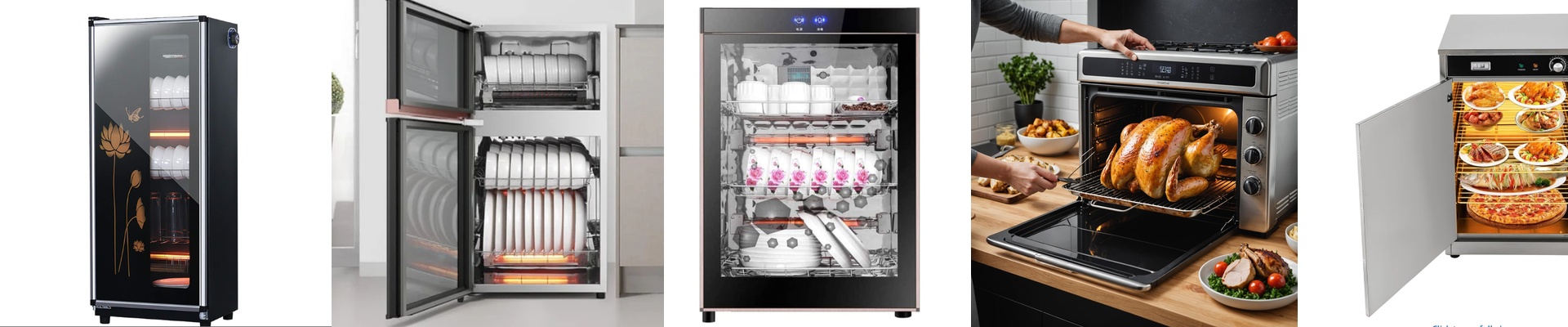
IR emitters run hot, so clearances matter—respect the specified distances to belts, pans, and shields. They also perform best when the oven interior stays clean; buildup on reflectors and tubes scatters intensity. Installation is simple, but the electrical supply has to match the unit, and the control strategy should line up with your existing thermostat or zone control. Plan for routine inspection and easy swap-out so your bake profile stays intact.