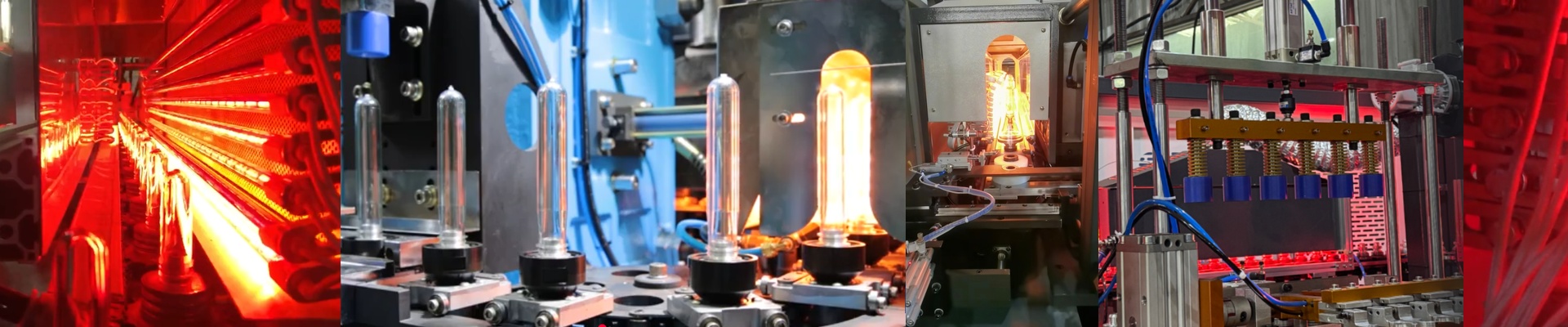
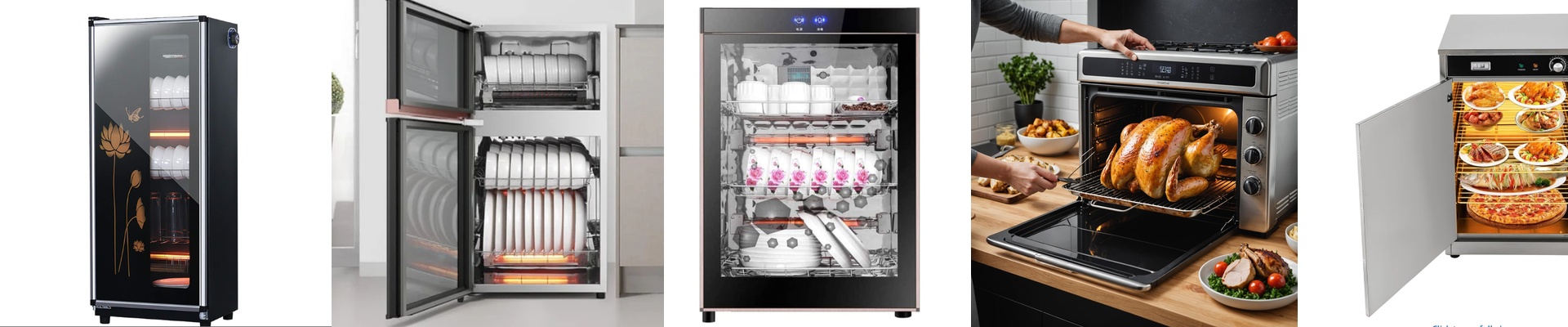
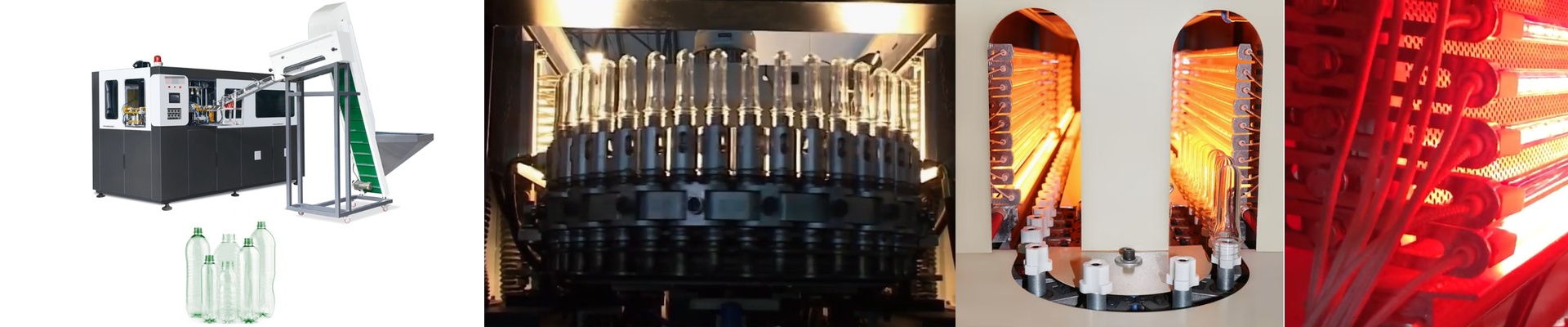
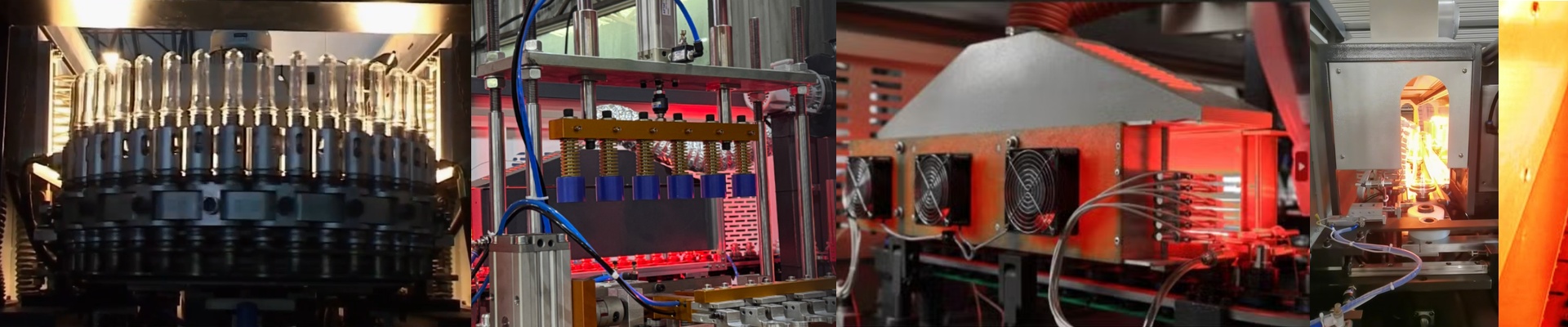
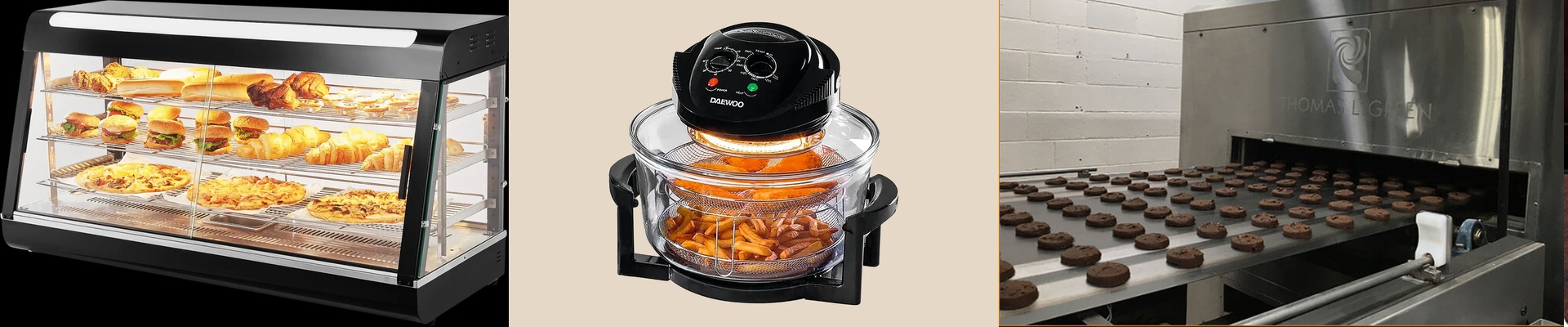
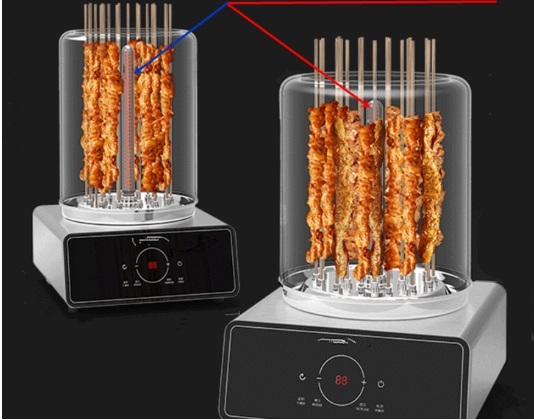
In a busy bakeshop, timing is everything. One slow preheat drags the whole line, and uneven heat leaves you guessing—some trays pale, others scorch. We built the Black Ceramic IR Plate to cut that uncertainty out of the equation. What Matters Technically The plate uses near-infrared (NIR) emission from a dense black ceramic body, coupling power directly into the product surface instead of heating air. Response is immediate: full operating temperature in minutes, not the long soak demanded by heavy stone hearths. The result is a clean, controllable heat profile that promotes even browning and steady caramelization across the full deck. In practice, that means more consistent bakes, tray after tray, with fewer under-done centers and burnt edges. Why It Works Here This is the kind of heat that makes bread look the way it should—golden on the outside, tender and open on the inside. In a deck oven, the plate holds steady under repeated loading, so crust set happens fast and color stays even from front to back. In rotary and convection applications, the short heat-up window shortens cycle times without sacrificing texture, and lower inertia makes temperature adjustments quicker when you switch products. Energy use per bake drops because you are not heating a massive thermal mass just to start the day. Things to Know Because infrared output is line-of-sight, placement matters. Distance to the product and oven geometry must be set so the entire surface receives uniform coverage; shadowing will show up as uneven color. Plan for a dedicated circuit and confirm clearances—the plate runs hot to the touch, and the surrounding air can get warm during long service. Match the plate to your oven’s mounting and control interface, and verify the thermostat or controller can keep pace with the fast response. Done right, the plate delivers repeatable heat, shift after shift.