Getting Your Deck Oven to React in Real-Time
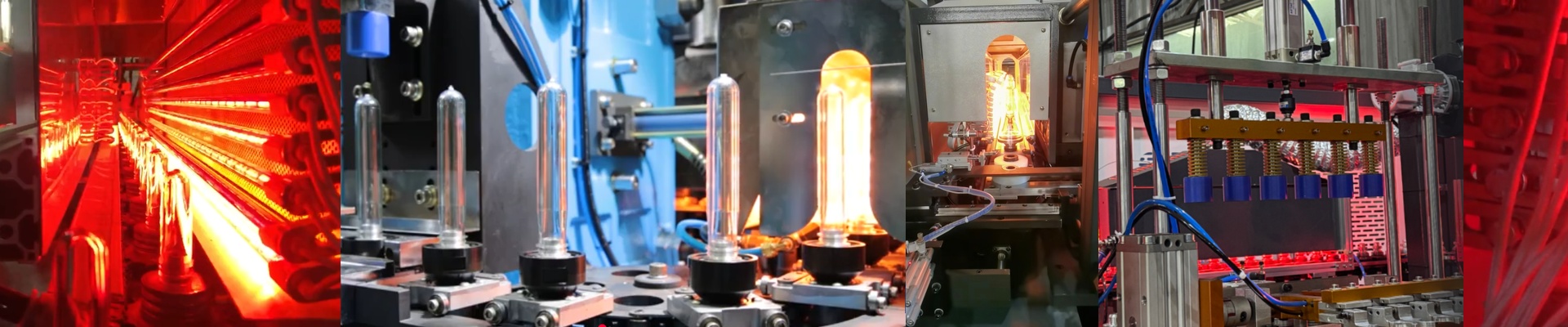
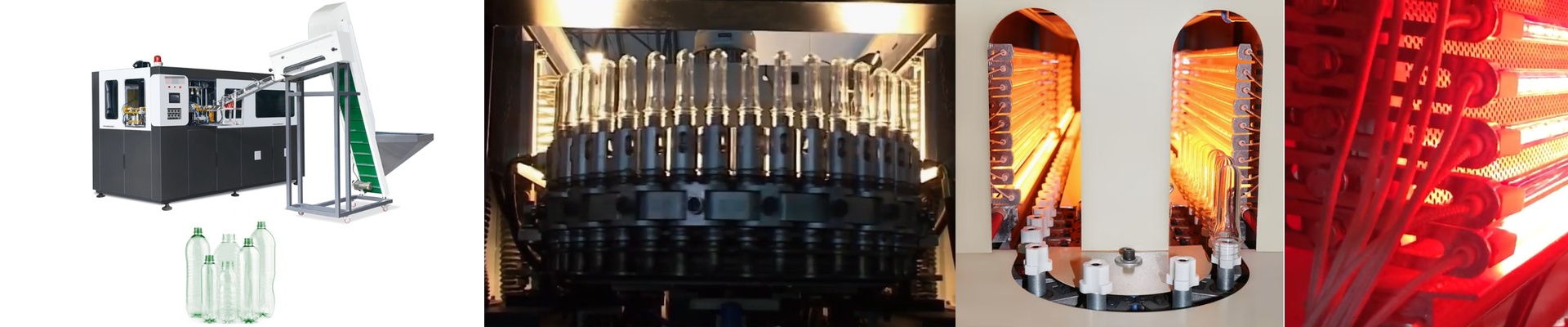
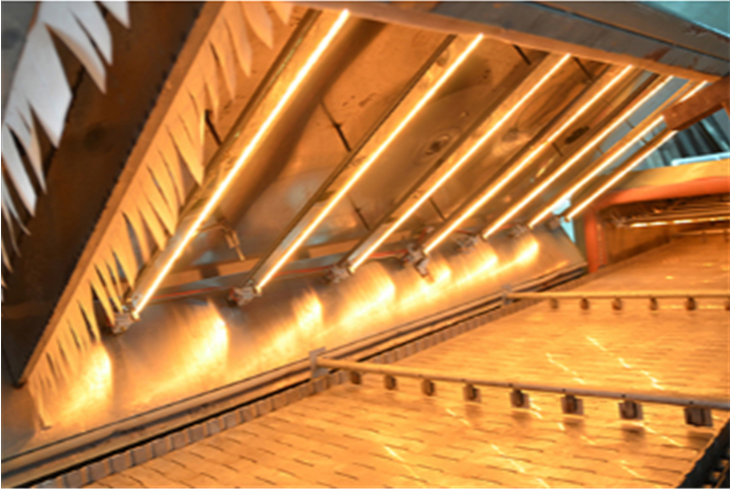
If you’ve ever worked with commercial deck ovens, you know the struggle of temperature lag. You tweak the dial, but the oven takes its sweet time to actually catch up. It’s frustrating. To fix that, we use short-wave infrared (IR) quartz tubes. Most ovens rely on those old-school resistive coils. Those are slow. They have to heat up their own bulk before they can heat your food. Our IR tubes skip that part. They use electromagnetic radiation to throw heat directly onto the product. It’s fast. Really fast. We’re talking about hitting your target temp in seconds.
Why it actually works
It all comes down to the materials. We use a tungsten filament with very little mass, so it glows white-hot almost the instant you flip the switch. Since the heat goes straight to the food instead of warming up the air around it first, you don’t deal with that annoying “thermal inertia.” You can click these things on and off hundreds of times a day and they won’t blink. The quartz glass is tough enough to handle that constant expanding and shrinking without cracking.
Keeping it clean (and safe)
When things get that hot, you have to worry about what’s actually in the air. Nobody wants weird metallic smells or chemicals leaching into their bread. That’s why we stick to high-purity synthetic quartz. It doesn’t “outgas.” When the tube hits peak temp, you get pure heat—no VOCs, no contaminants, nothing. One heads-up: these tubes pack a lot of punch in a small space. Because they have such a high watt density, they pull a lot of power the moment they start. Make sure your relays or SSRs can handle that initial surge, or you’ll be replacing burnt-out components way sooner than you’d like.
The trade-off
Here’s the thing: this kind of speed is aggressive. Short-wave IR doesn’t mess around. If your PID controller isn’t dialed in just right, you might find yourself scorching the top of your crust before the middle is even warm. To stop that from happening, I’d suggest pairing these tubes with high-speed thermocouples. It keeps the feedback loop tight, so the oven knows exactly when to back off.