Stop Waiting on Your Oven to Recover
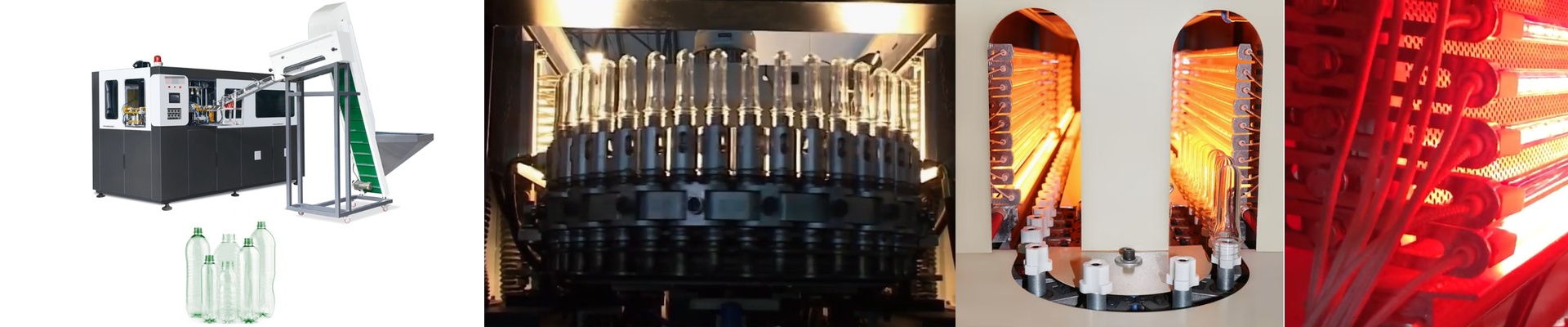
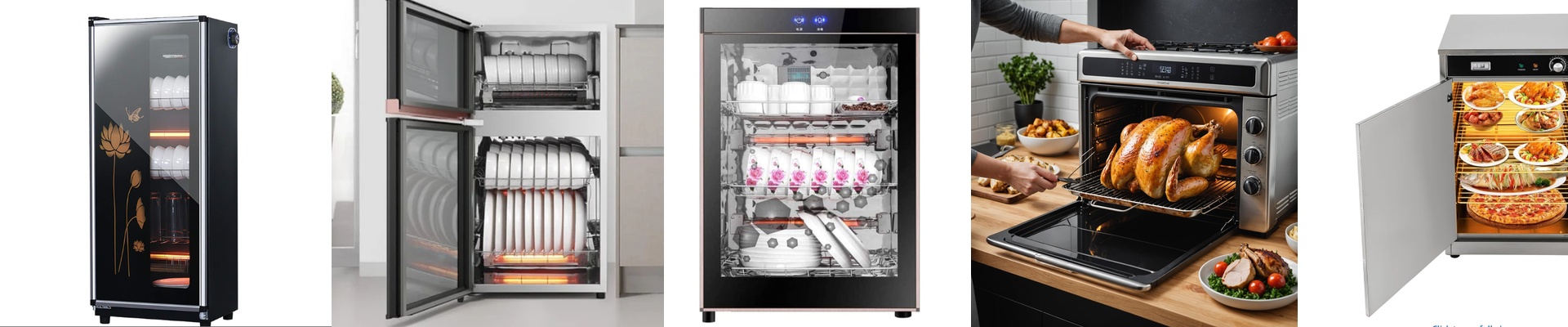
Anyone who’s spent a real shift in a commercial kitchen knows the frustration of the “door swing.” You open the oven to pull a batch, the heat vanishes instantly, and then you’re stuck waiting. You’re just standing there, watching the clock, waiting for those old-school resistive elements to crawl back up to temperature. It kills your rhythm. That’s why we switched to Nichrome infrared tubes. Instead of trying to heat up all the air in the oven first, these tubes shoot short-wave radiation straight into the product. It’s direct. It’s fast. It basically cuts out the middleman.
Why it actually works
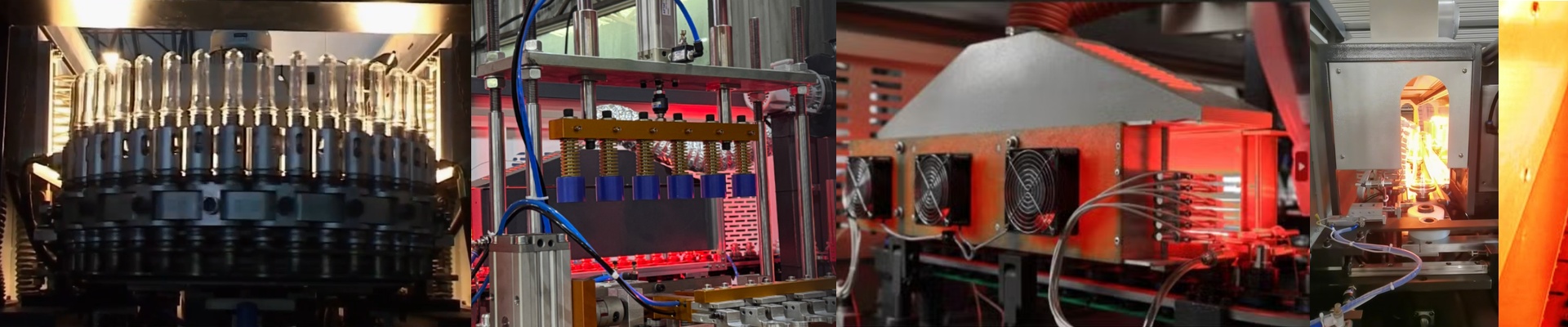
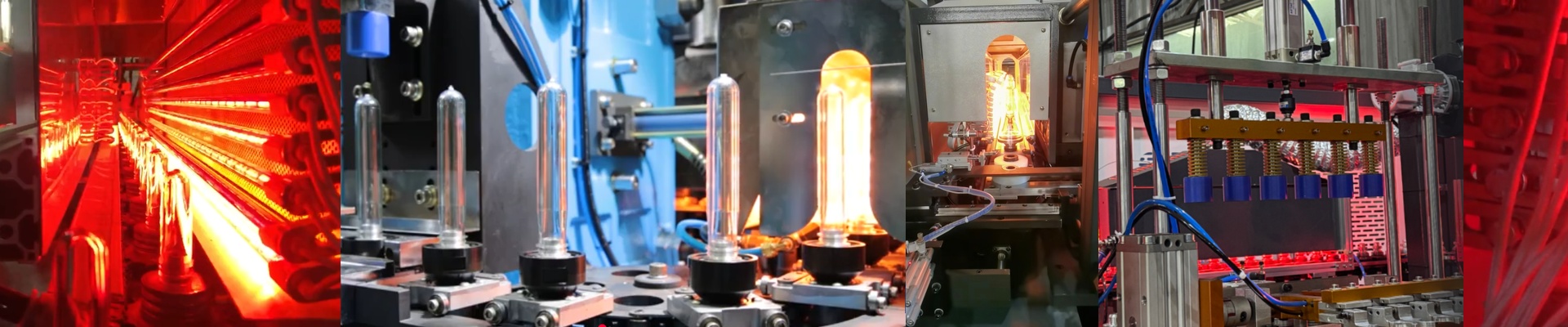
Here is the secret: these tubes use a Nichrome alloy filament tucked inside a quartz or ceramic sleeve. Because they don’t have the massive, heavy bulk of a cast-iron plate, they don’t take forever to warm up. They hit your target temp in seconds. And when the controller tells them to stop? They stop. Almost immediately. This means you can push your baking pace way harder without worrying about the temperature swinging wildly or overshooting your mark. You get more batches out the door, and you aren’t stressing about the heat dipping.
The nitty-gritty on setup
We build these things to survive the chaos of a professional kitchen. The wire is coiled tightly to make sure the heat spreads evenly across the deck, so you don’t end up with some loaves burnt and others raw. They’re also pretty compact. If you’ve got a tight footprint where traditional coils just won’t fit, these usually slide right in. Plus, they play nice with the PID controllers you probably already have.
A few things to watch out for
Now, I’ll be honest—this kind of heat is aggressive. Because it’s so intense, you can actually scorch the surface of your dough if the tubes are mounted too close. You have to be smart about where you place your brackets and sensors to avoid those annoying hot spots. Also, a quick warning: those quartz envelopes are fragile. They aren’t indestructible. If your crew is scrubbing down the ovens, make sure you’ve got protective guards in place. One wrong move with a cleaning tool and you’ve got a cracked tube.