


Making Bathroom Heat Safe for the Little Ones
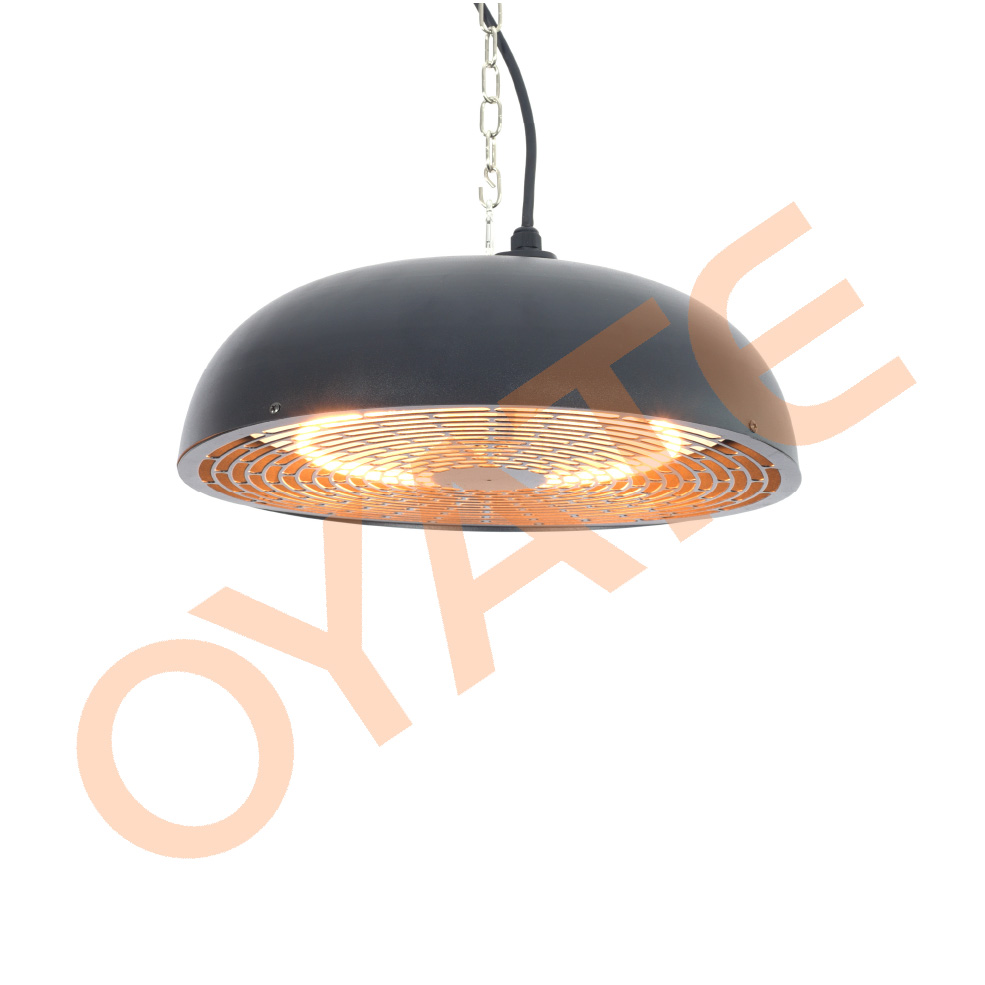
Most infrared heaters are basically light cannons. They blast a wide spectrum of heat and light into the room, which is fine for a garage, but a bit much for a bathroom—especially when you’ve got a baby in the tub. That blinding white glare? It’s just too aggressive for an infant’s eyes. So, we decided to change how the light actually works. Keeping the glare away We spent a lot of time focusing on what we call “eye-care.” Instead of just cranking up the power, we messed around with the filament materials and quartz coatings to filter out those harsh, bright frequencies. The result is a heater that feels warm but doesn’t look like a spotlight. By shifting the heat toward the long-wave infrared range, the warmth hits the skin rather than hitting the retina. Your baby stays cozy, and you don’t have to worry about them squinting or straining their eyes. Dealing with the steam Bathrooms are tough on gear. Between the steam and the accidental splashes, electronics usually die a quick death. That’s why we went with an IP55 rating. In plain English: the housing keeps dust out and can handle water jets hitting it from any angle. We sealed the electrical junctions tight so moisture can’t sneak in and fry the circuit or burn out the filament. It’s built to survive the humidity. The trade-off Here’s the honest part: softer light comes with a catch. Long-wave infrared doesn’t “punch” through the air as instantly as the short-wave stuff does. You’ll notice it takes a few extra moments to really feel the heat hit its peak. To fix that, we tweaked the shape of the reflector. It concentrates the warmth exactly where you’re standing, so you aren’t waiting around in the cold. One last thing for the folks doing the install: if you’re putting these in a high-humidity spot, make sure your breakers are GFCI protected. The IP55 shell does a great job protecting the outside, but you still want that proper grounding for total peace of mind in a damp room.