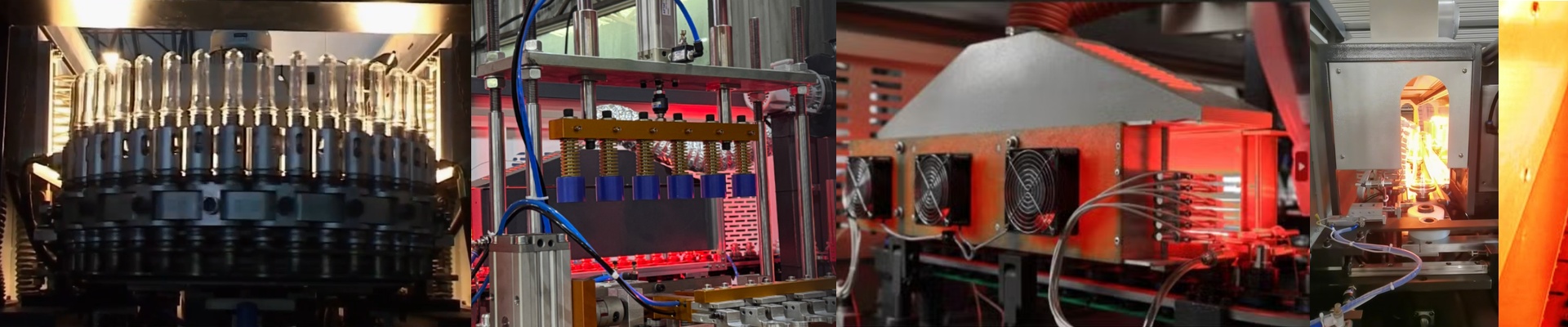
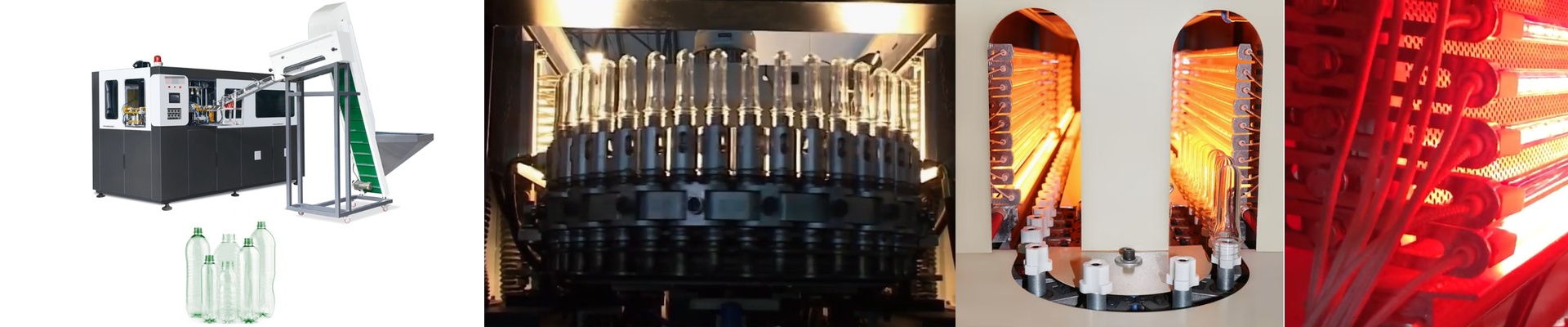
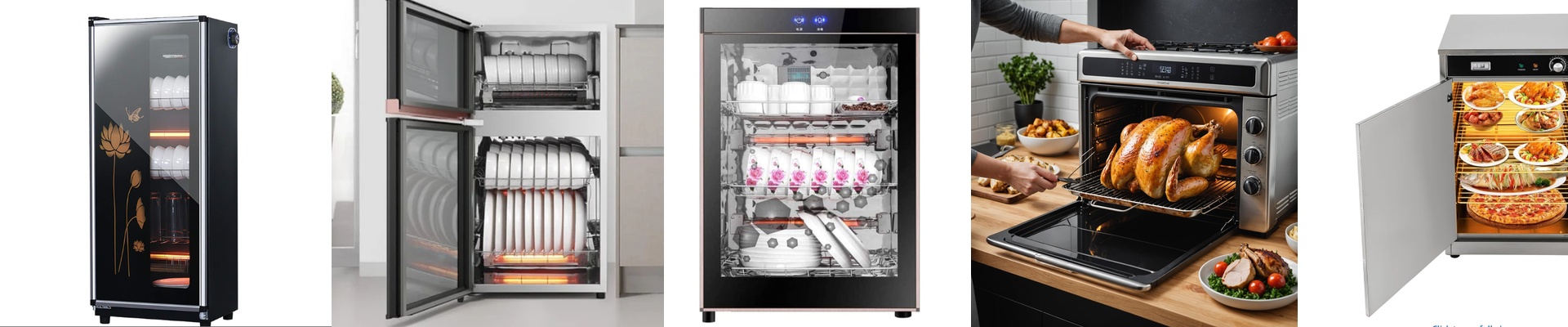
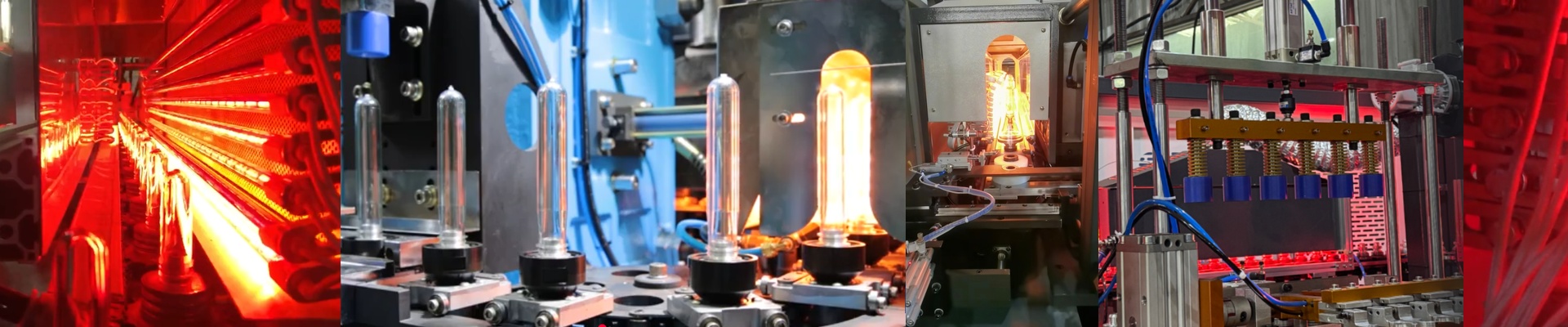

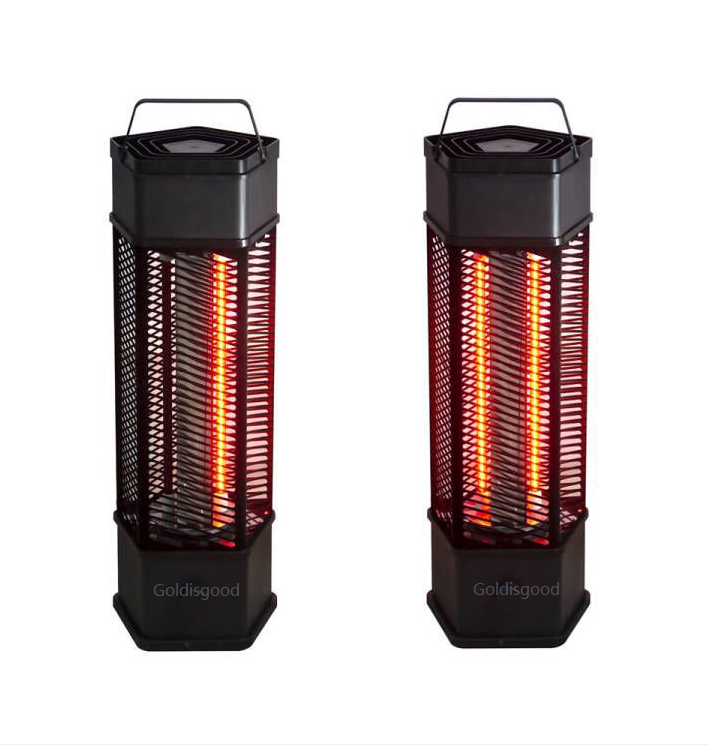
Step into the shop on a cold morning, or settle onto the back deck when the air turns damp, and you feel that familiar bite first. Most heaters want a 120V outlet, and that means extension cords—tangled, unsafe, and always a compromise. That’s where a 12V electric heater earns its keep. What matters under the hood A 12V electric heater is built to run straight off common low-voltage sources—vehicle sockets, portable power stations, or a properly sized 12V circuit. The trick is efficient radiant heat without a bulky housing. Many compact units lean on quartz tubes or a carbon fiber element to deliver directional warmth, heating people and objects directly instead of trying to warm the whole volume of air. The payoff is fast response, modest current draw, and a heater you can mount right where you stand. Why it fits the way you work On job sites, in the workshop, at camp, or under a covered outdoor area, you need heat that keeps pace. A 12V electric heater warms the spot you’re in, so you’re not waiting around for the air to catch up. Fewer breaks to warm up your hands, better focus, and less stiffness when the temperature dips. And because it’s designed for lower-voltage setups, you cut down on long, heavy-gauge cords—and the trip hazards that come with them. The details that keep you out of trouble Low voltage doesn’t let you off the hook. Match the heater to the right power source and wiring—thin cords and undersized circuits will drop voltage and rob you of output. Also, 12V units are best for smaller, focused areas, so pick wattage that lines up with your space. For outdoor use, confirm the IP rating, and follow the mounting instructions so heat stays clear of combustibles.