
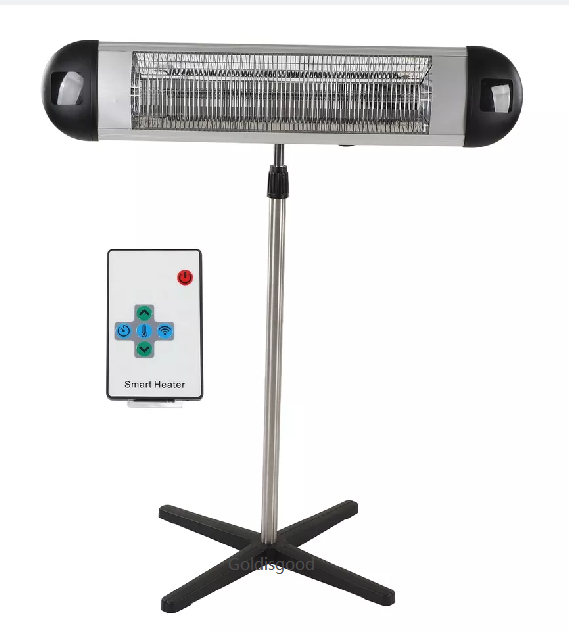
Ever walk into a big outdoor area or a workshop and watch the air heater fight a losing battle? You stand there, shivering, while the power meter keeps climbing. That’s the problem with conventional heaters—they warm the air, not the people in it. Halogen heater bulbs flip that script. They put out infrared warmth that travels in straight lines, straight to you, the objects around you, and the surfaces you touch. No waiting around. No heat vanishing into thin air.
What’s actually going on under the glass
Halogen heater bulbs are short-wave infrared emitters, built around a quartz envelope and a tungsten filament. They run on standard voltages and deliver intense, focused radiant heat. The halogen cycle keeps the filament clean, so brightness and output stay steady over time. In practice, that means a fast heat-up—often within seconds—and consistent performance for thousands of hours. The visible light is part of the spectrum, sure, but the warmth you feel is the infrared output, aimed right where you need it.
Why this approach works in the real world
In open or partially enclosed spaces, directional heating is the difference between comfort and guesswork. Infrared heaters with halogen bulbs zero in on specific zones and the people in them, so you feel warmth the instant you step into the beam. No dead zones. No wasted energy heating empty air. The payoff is comfort that kicks in fast, and operating costs that don’t balloon because you’re only heating what you actually use. On patios, in workshops and garages, even in drafty corners, you get fewer drafts, more even warmth across the key areas, and a space that just feels cozier.
The details that matter on the job
Halogen bulbs run hot at the surface, so clearance matters. Keep them away from anything flammable. Use fixtures rated for the wattage, and match the bulb to your heater’s voltage and socket type. Most are designed for dry or protected outdoor use, but always check the IP rating for your specific model. Expect a warm glow while they’re running—that’s normal. For the best setup, pair the bulb with a unit that includes a protective guard, tip-over protection, and a thermostat. That combination keeps things steady and safe, day after day.