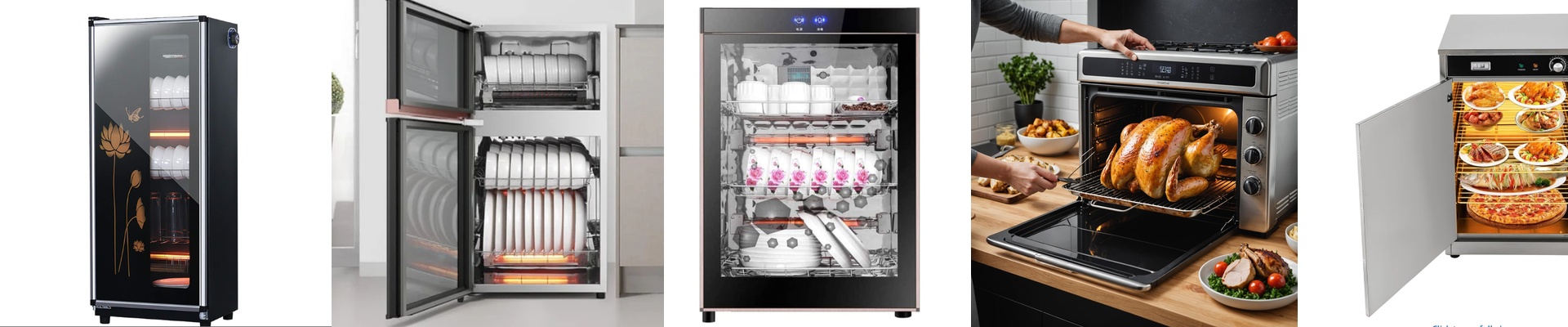
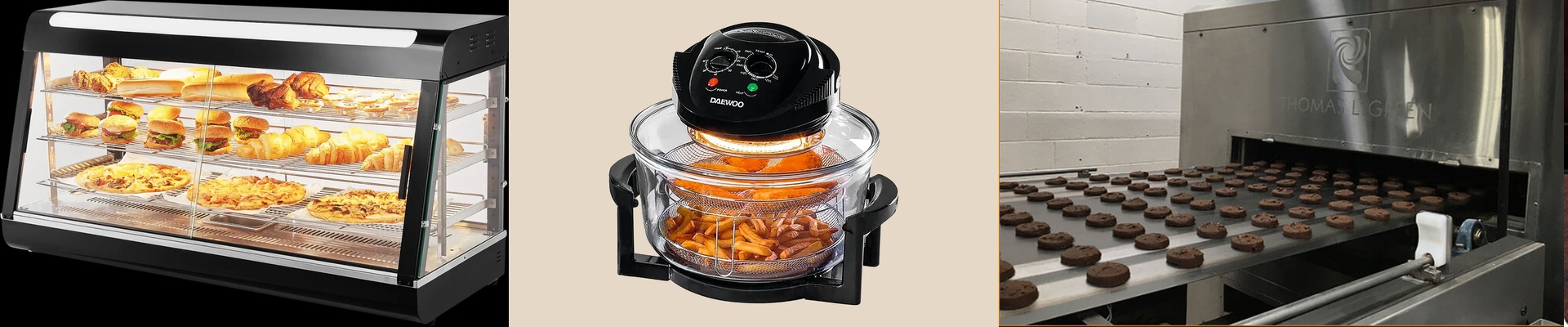
Stepping out of the shower only to be met by a wall of cold air isn’t just uncomfortable. It’s a jolt that tightens muscles and wrecks the calm of your routine. Bulb-style heaters throw heat, sure, but they leave the room uneven and the air bone-dry. And that lingering moisture? It exposes the weak spots in their design. People are upgrading for a straightforward reason: a genuinely waterproof infrared heater delivers radiant warmth that feels natural, and it stays protected where dampness never quits.
What matters, technically
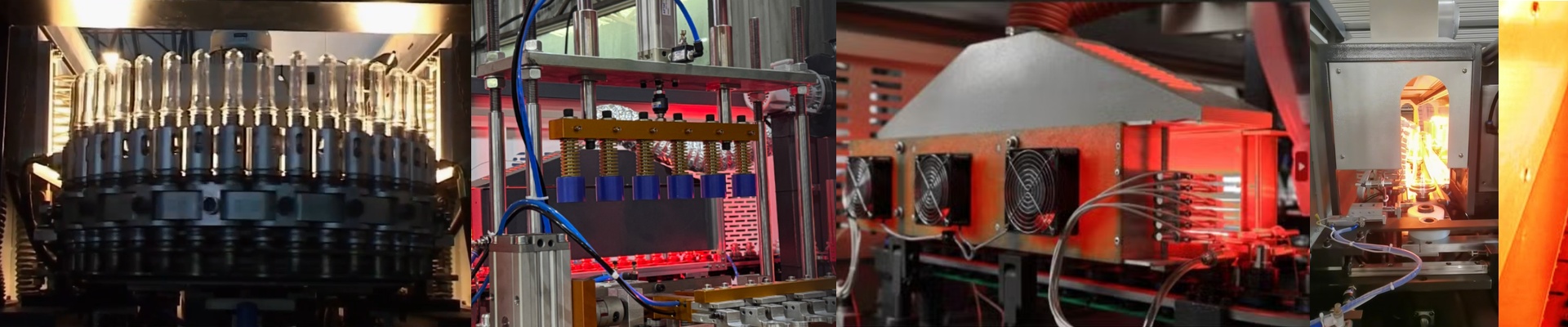
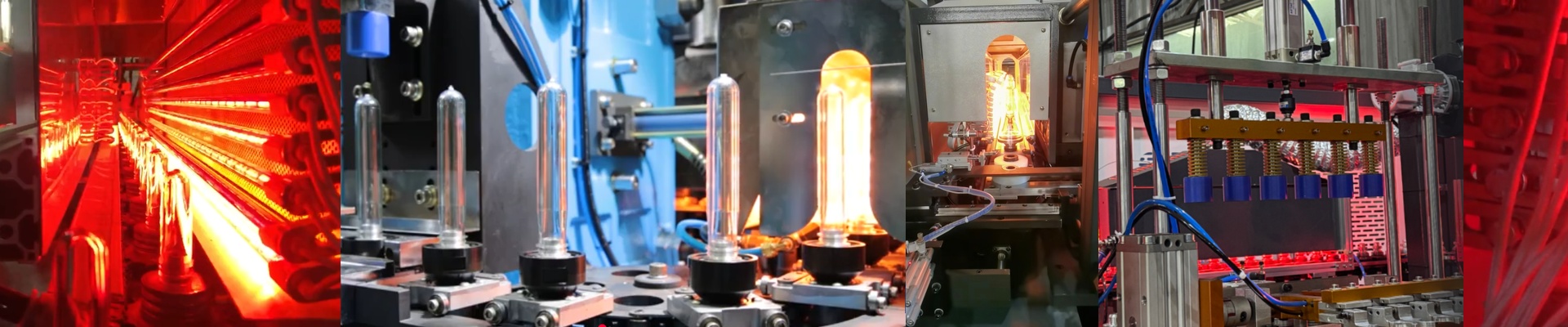
Infrared warmth comes from elements that radiate heat directly to people and surfaces, not to the air. In a bathroom, that means comfort hits faster, with less heat lost to ventilation. The heart of the unit is a sealed quartz tube or carbon fiber element. It produces gentle, directional radiant heat and runs through a thermostat that holds the room at the set point without the constant cycling that stresses components. The real differentiator is the IP rating. For bathroom zones, look forIP55 or higher, which means protection against jets of water and dust ingress. A 3 phase electric heater configuration brings steady, balanced power that handles longer run times without overheating, and it distributes load evenly across the electrical system.
Why it works in a wet, enclosed space
Comfort here has to be fast and reliable. Infrared heaters warm you the moment they’re on, so the room feels usable without waiting. Because the warmth is radiant, the air stays less dry, and condensation on walls and mirrors eases up. With a high waterproof rating, the unit stands up to steam and splashes. That translates to less maintenance and a longer service life compared to exposed bulbs. The payoff is a bathroom that feels consistently cozy, with fewer cold spots and less worry about moisture damage.
The practical stuff
Installation calls for a dedicated circuit and a qualified electrician to match the unit’s voltage and phase requirements. Clear clearances and correct mounting height matter for even warmth and to keep the heater outside the direct spray zone. Plan for a thermostat built for humid environments, and confirm the IP rating matches the bathroom zone. The setup is more involved than a simple bulb fixture, but the result is quiet, dependable warmth that holds up to the reality of daily showers.