
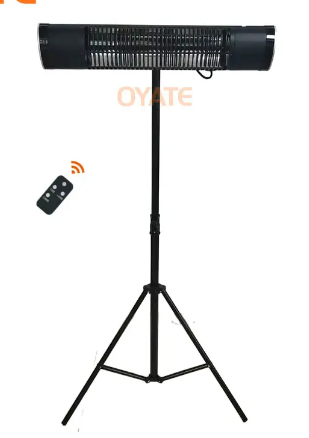
Basements get cold and clammy fast—especially in winter. Forced-air systems fight the damp more than they win it, and even when the thermostat looks fine, you still feel that bone-deep chill. That’s where a low-wattage, wall-mounted infrared heater makes sense: it warms people and surfaces directly, and that steady radiant warmth helps cut through the damp, unwelcoming feel underground.
What matters, under the hood
We built this one around short-wave infrared, paired with a durable quartz tube element. The payoff is immediate radiant heat—clean, directional warmth that doesn’t waste energy chasing air temperature. You feel it within seconds, and nearby surfaces hold onto it, which smooths out the swings. The low-power approach keeps running costs down, and the slim profile means it fits where bulky heaters can’t. For control, there’s an integrated thermostat to hold a steady comfort level. On the safety side, tip-over protection and a protected heating element keep it sensible for day-to-day use.
Why it plays so well in basements
In a basement, you get two wins. The radiant heat targets the cold you actually feel—floors, furniture, your skin—so comfort shows up fast, without waiting for the whole room to “come up to speed.” And that consistent warmth helps improve conditions by keeping surfaces drier, which matters in spaces that hold moisture. You also get lower energy use compared with many high-wattage options, and because it’s wall-mounted, you keep floor space open. The upshot is a basement that feels usable again—whether it’s a workshop, a play area, or a quiet corner to unwind.
What to keep in mind
Infrared heats objects and people directly, so comfort depends on line-of-sight. The warmth is most effective where it can actually reach you. For best results, aim the heater at the main seating or work zone. Installation is straightforward, but in damp spots, hardwire it to a properly rated circuit for stability and safety. Also, the heater helps reduce that clammy feel, but it’s not a dehumidifier. If dampness is chronic, pair it with good ventilation or a dehumidifier—that’s the cleanest way to handle it.