Getting Warm Fast, Even When It’s Wet Outside
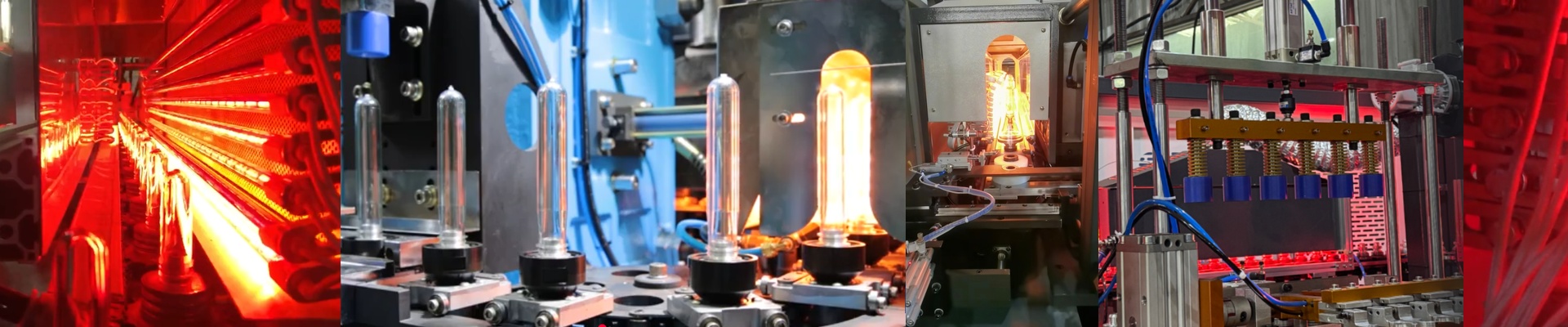
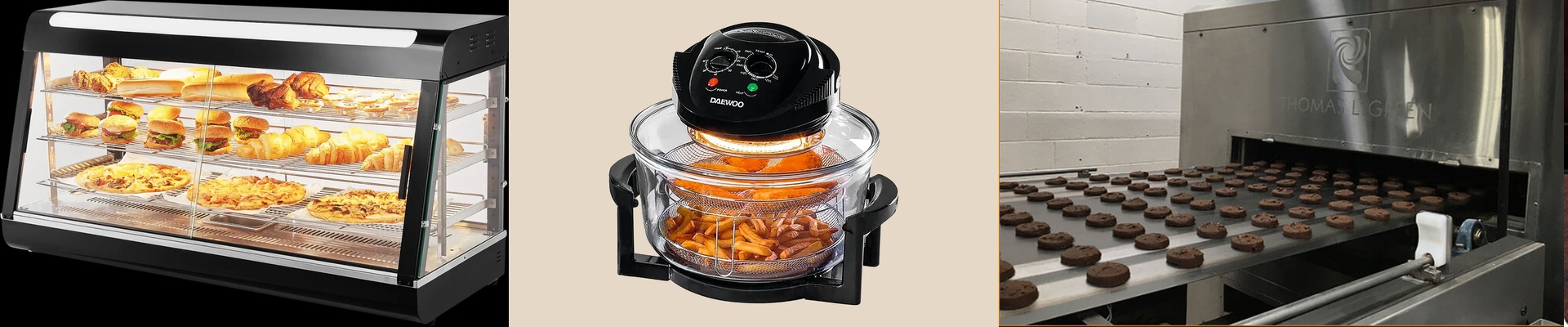
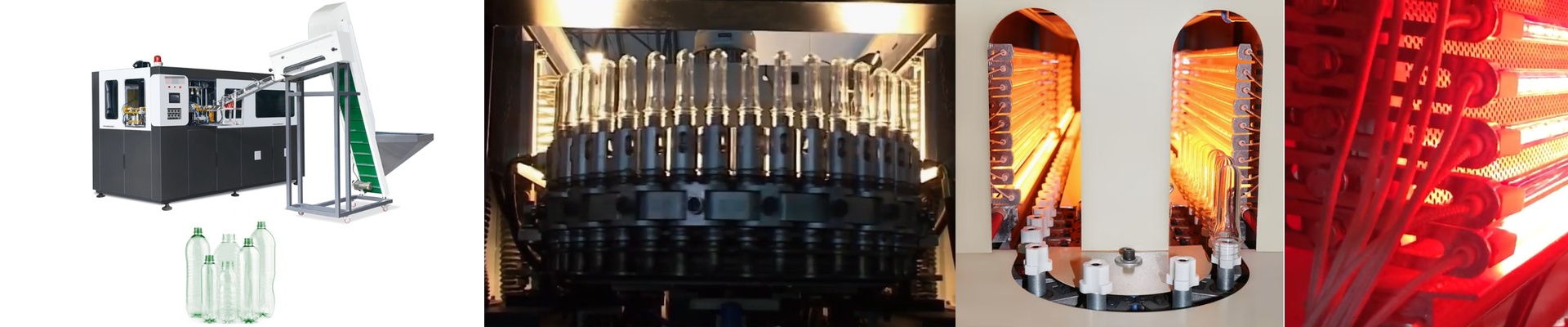
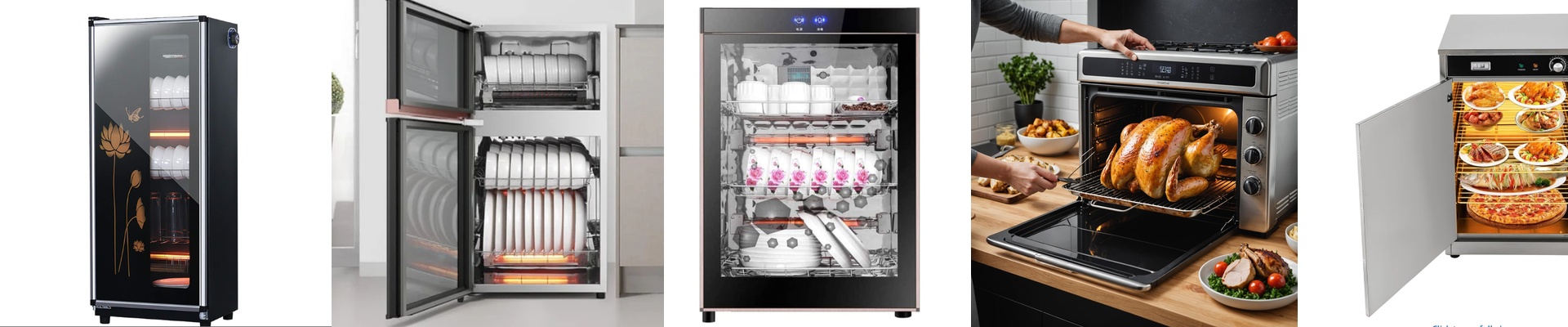
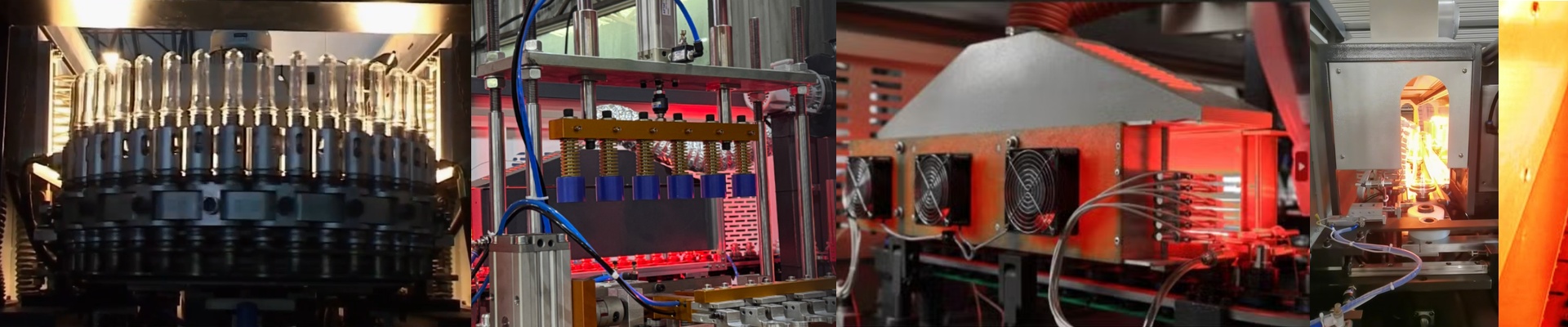
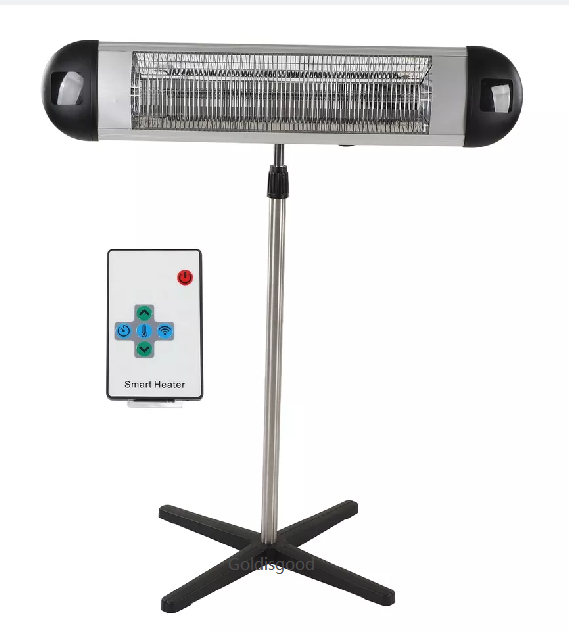
Ever tried to warm up a freezing outdoor transit zone or a changing area with a standard heater? It’s frustrating. You’re basically trying to heat the air, and in an open space, that air just vanishes. You’re left shivering while the heater works overtime for nothing. We do things differently. Instead of fighting the wind, we use shortwave infrared. It doesn’t bother with the air—it goes straight for the target. You feel the heat the second you step under it. It’s like stepping into a patch of sunlight on a winter day. Built for the rain Outdoor gear gets hammered. Rain, humidity, salt spray—it’s a lot. That’s why we build these units to the IP66 standard. In plain English? They’re dust-tight and can handle a direct hit from a powerful water jet without flinching. We seal every connection and the lamp housing tight. If moisture gets in, filaments burn out and circuits fry. We make sure that doesn’t happen. The secret sauce: Shortwave radiation Here is the trick: shortwave radiation hits harder and faster than the long-wave stuff. It penetrates deeper, giving you that “instant” warmth. To make this work, we wrap the tungsten filaments in quartz glass. This keeps the heat pushing forward where it belongs, rather than leaking back into the machine’s frame. A few things to keep in mind for the install You’ll want a rock-solid power supply to keep the wattage steady across the whole setup. But the real key is the height. Since this heat is so concentrated, you have to be precise with where you mount them. Too low, and you’re roasting people. Too high, and you lose that immediate “wow” factor. Just a heads-up: these things run hot. Really hot. Make sure whatever you’re mounting them to can take the heat without warping or melting. We always suggest using heat-resistant brackets. Also, double-check your circuit breaker—these units have a bit of a “kick” when they first start up, so your electrical panel needs to be ready for that initial surge.