How to actually get that perfect golden crust
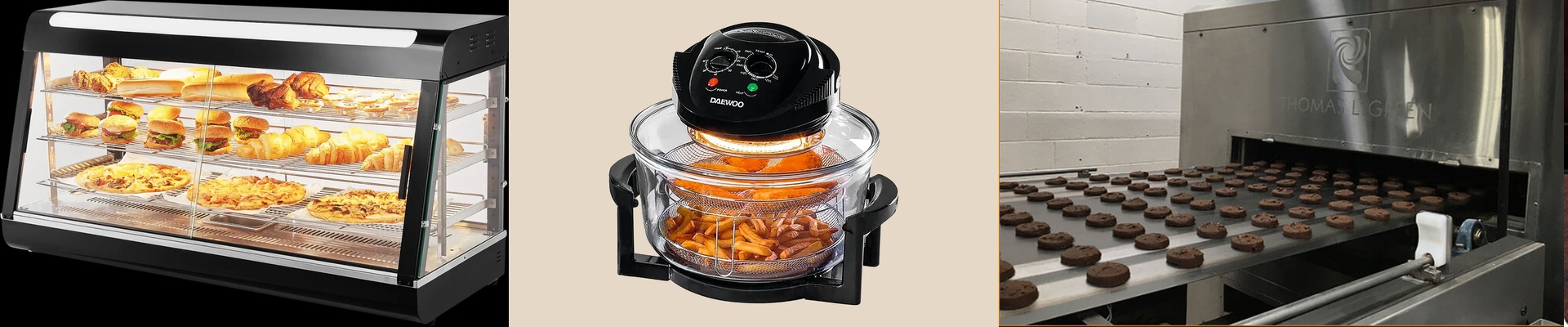
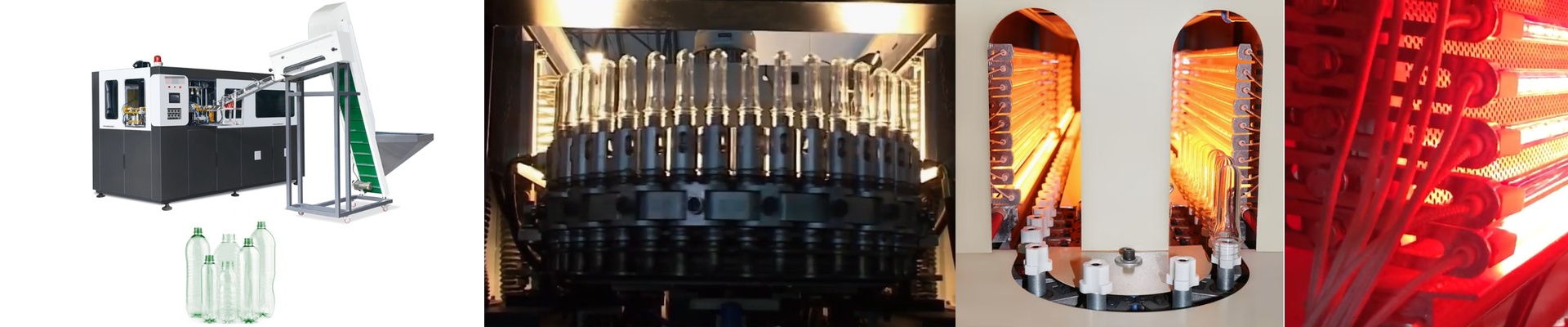
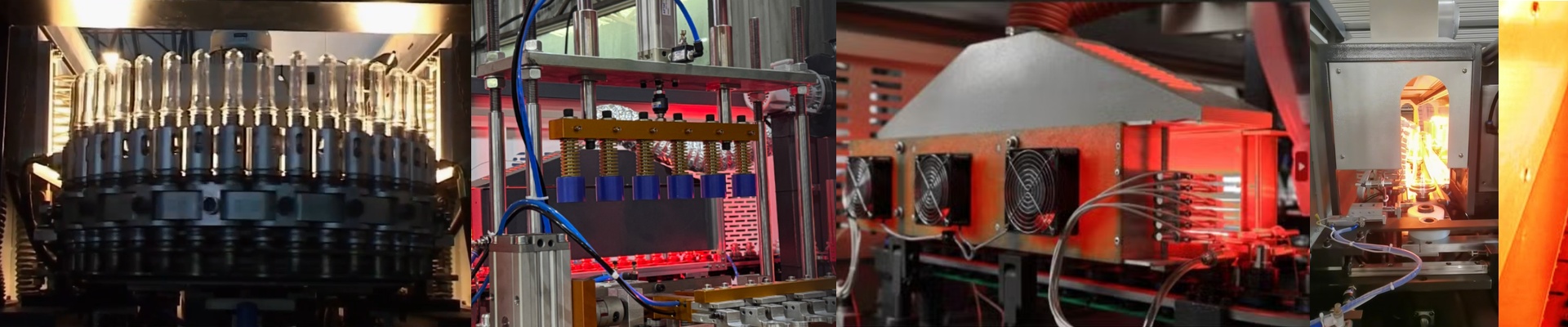
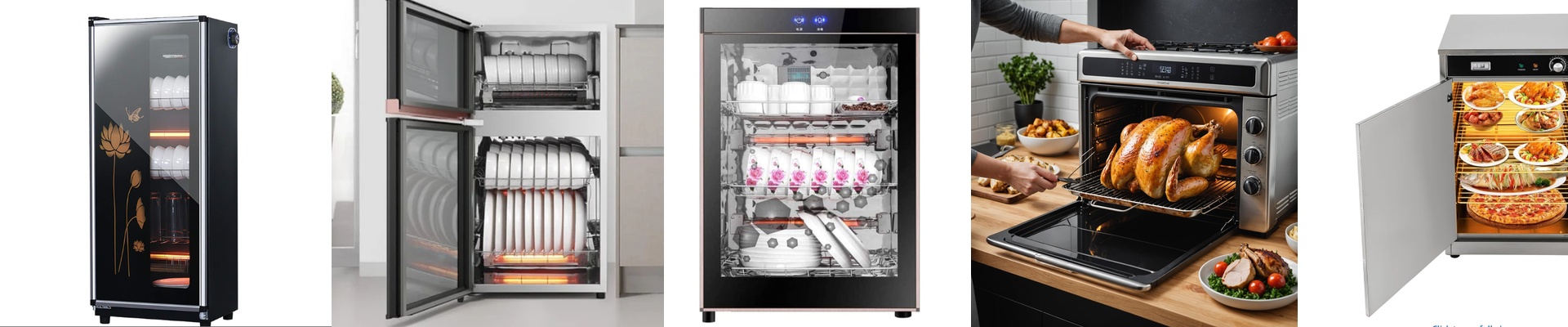
If you’ve ever struggled to get that textbook golden-brown crust on your bread, you know it’s not just about cranking up the heat. If you do that, you usually end up with a burnt exterior and a raw middle. The secret is using the right infrared (IR) wavelength. We use quartz-based heating elements because they hit the surface of the dough exactly where it counts, giving you that crunch without drying out the inside. Picking your heat Here is the thing about IR: the wavelength you choose changes everything. Short-wave IR hits the surface fast. It’s what triggers the Maillard reaction—that magic moment when the bread turns brown and smells amazing. But it’s a balancing act. Too little power and your loaves look pale. Too much, and you’ll char the peaks of the crust before the center is even set. We don’t do “one size fits all.” We tweak the wattage per centimeter so the heat matches exactly how fast your conveyor is moving. The gear under the hood We stick with high-purity quartz tubes for a reason. They can handle the shock of heating up and cooling down rapidly without cracking. Whether you’re looking for a simple drop-in replacement or a totally new setup, we can build them to fit your oven’s footprint. We even adjust how the filament is wound to make sure you hit your specific temperature targets every single time. A few things to watch out for High-intensity IR puts out a massive amount of heat. Because of that, your control system needs to be snappy. If your PID loop is sluggish, you’ll overshoot your target and scorch your product. And be careful with placement. moving a lamp just 10mm closer can make the surface temperature jump way higher than you expected. We build these elements to take a beating in a loud, messy industrial kitchen. They work with standard controllers, but just a heads-up: make sure your wiring gauge can handle the current. You don’t want a voltage drop at the end of the line ruining a batch of bread.