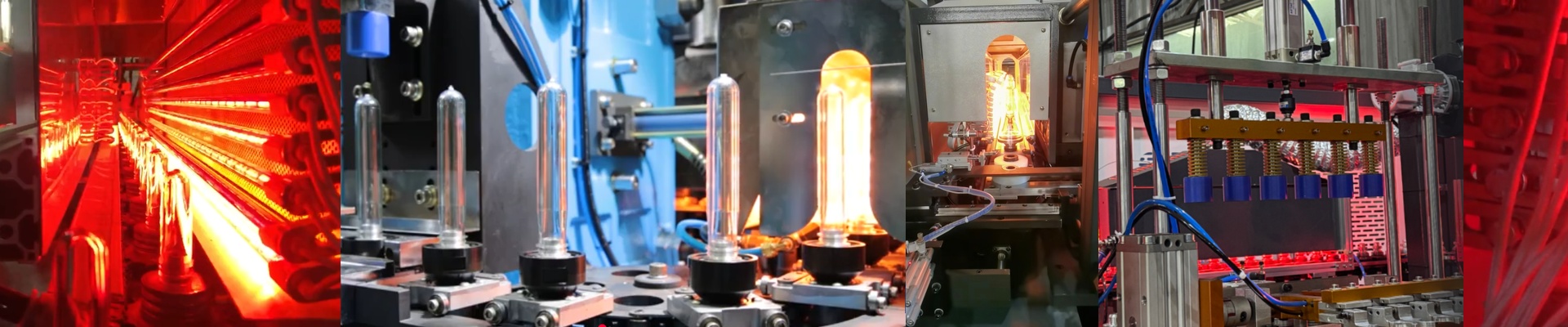
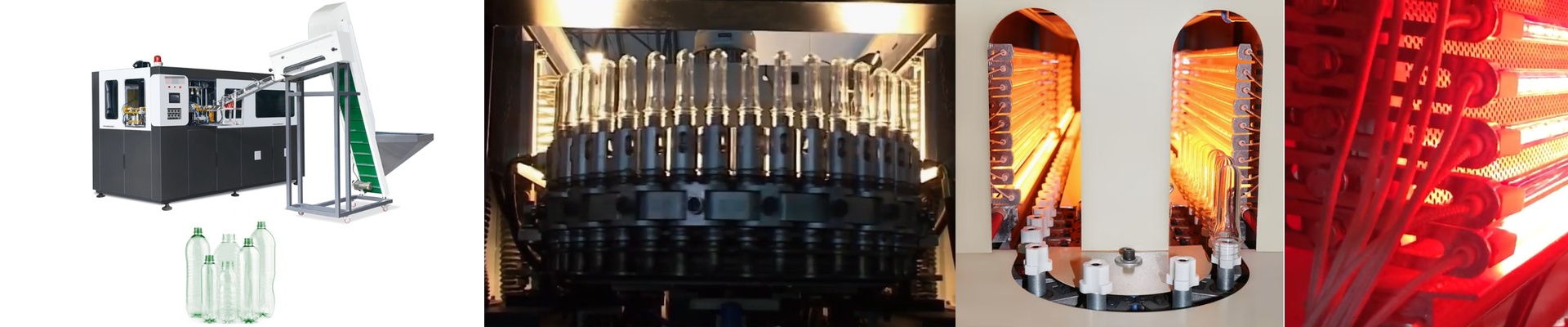
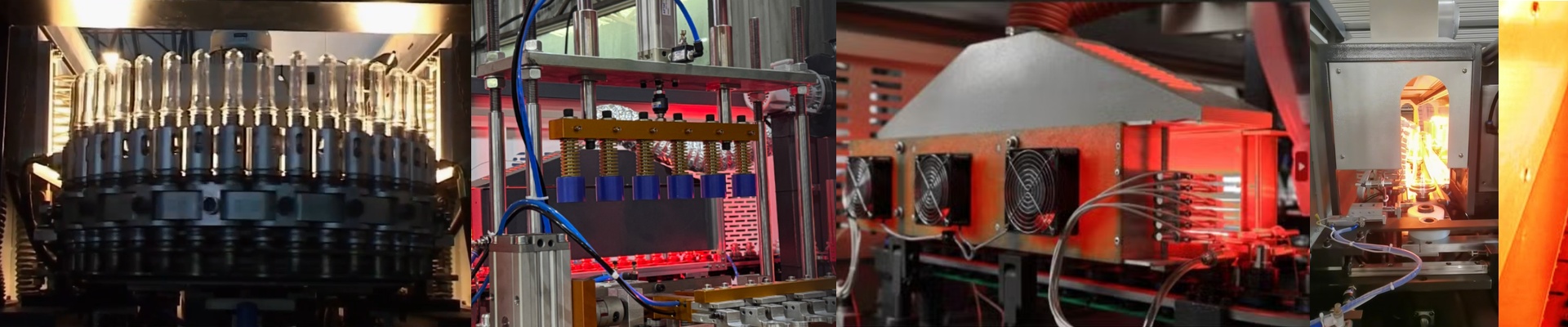
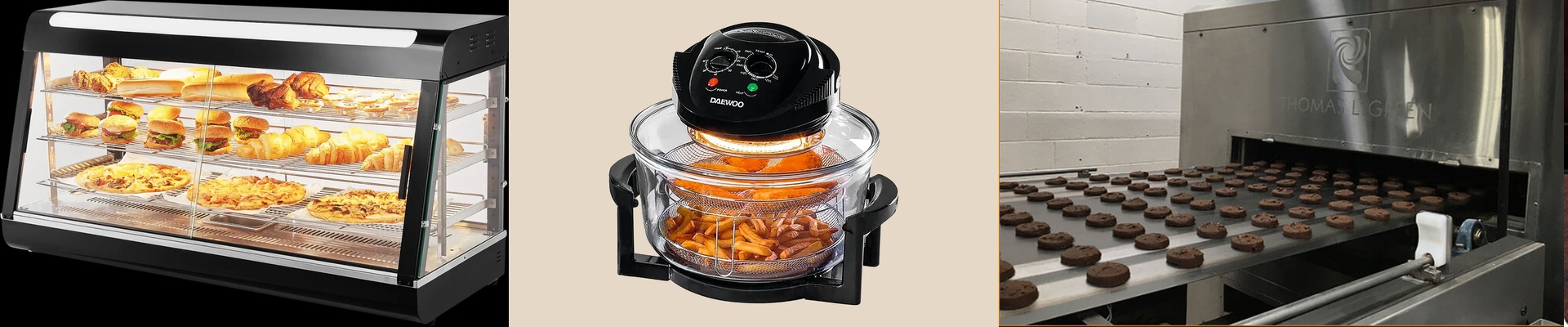
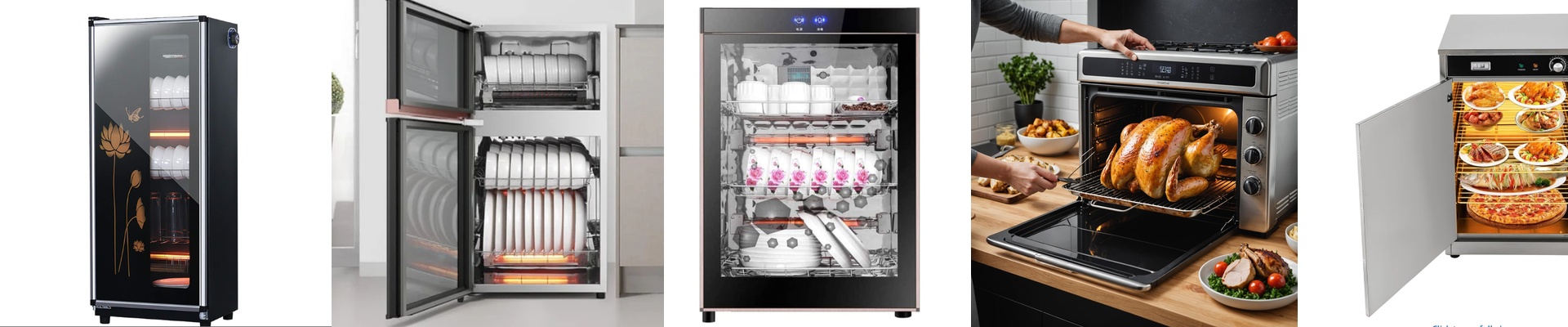
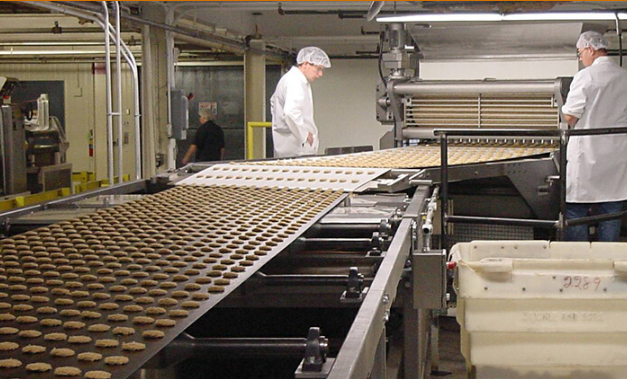
When the dinner rush hits, your oven’s heating element can’t afford to hesitate. A slow recovery, uneven heat, or a bulb that dies mid-service throws off your rhythm and wrecks crust structure. We built our infrared heating bulbs to deliver predictable, high-intensity heat that keeps deck, rotary, and convection ovens performing under pressure. What matters, technically Our quartz heating bulbs use short-wave infrared to put heat straight into the load, not just the air. That translates to fast recovery after loading, consistent surface temperatures across the stone hearth, and better control over caramelization and browning. Specs are chosen for actual kitchens: 240V options for standard power, 1.5–3.0 kW outputs to match oven cavity size, and standard E27 or custom sockets so you can swap in a replacement fast. The filament is built to handle repeated thermal shock, and the quartz envelope stands up to high ambient heat while resisting grease splash and moisture in warming cabinets. Why it works where you need it On the pizza line, the bulb brings the deck back to temp quickly between orders, so the crust bakes evenly instead of steaming. In bakery service, it supports consistent bottom heat for bread and pastries, narrowing the gap between proofing and finishing. In food warming and holding, infrared targets the food surface without over-drying the air, helping fries stay crisp and proteins hold moisture. The payoff is fewer temperature swings, shorter bake cycles, and less wasted energy per service. Here’s what to watch for Infrared bulbs are sensitive to airflow and mounting position. Install with proper clearance to avoid hot spots, and match the wattage to how the oven’s thermostat responds. Handle with dry cloths to prevent hot-spot fractures. They aren’t a cure-all — if the oven’s insulation or airflow is weak, performance will still be limited. But when they’re matched correctly, they deliver repeatable heat you can count on shift after shift.