Getting the Heat Right: Drying Tableware Without the Drama
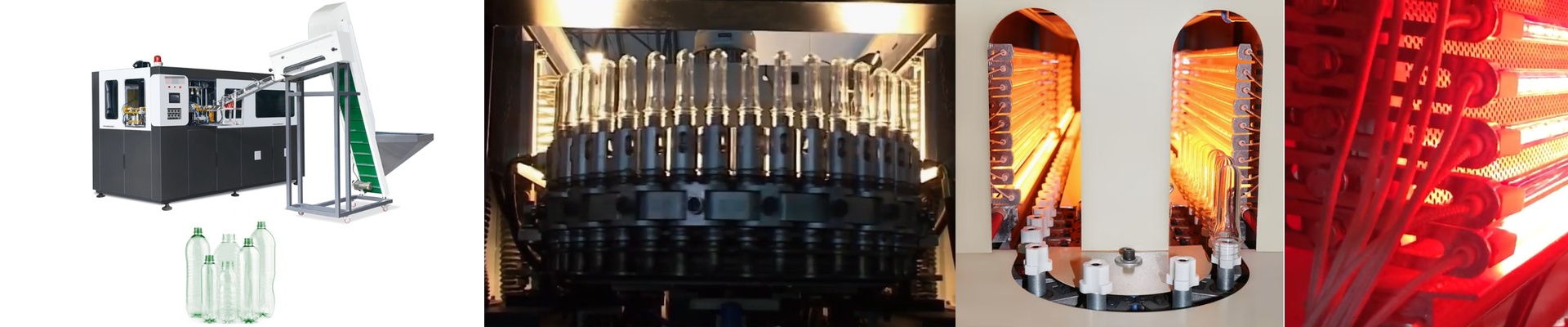
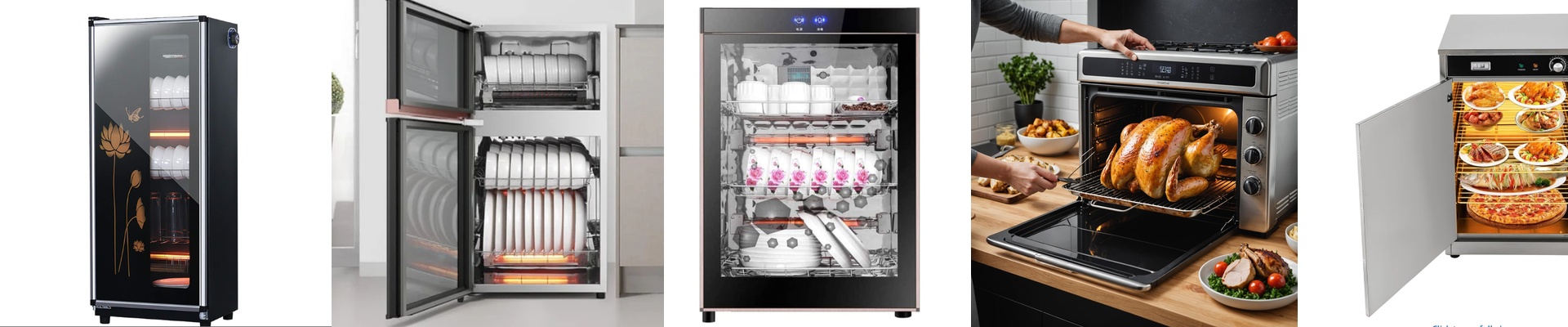
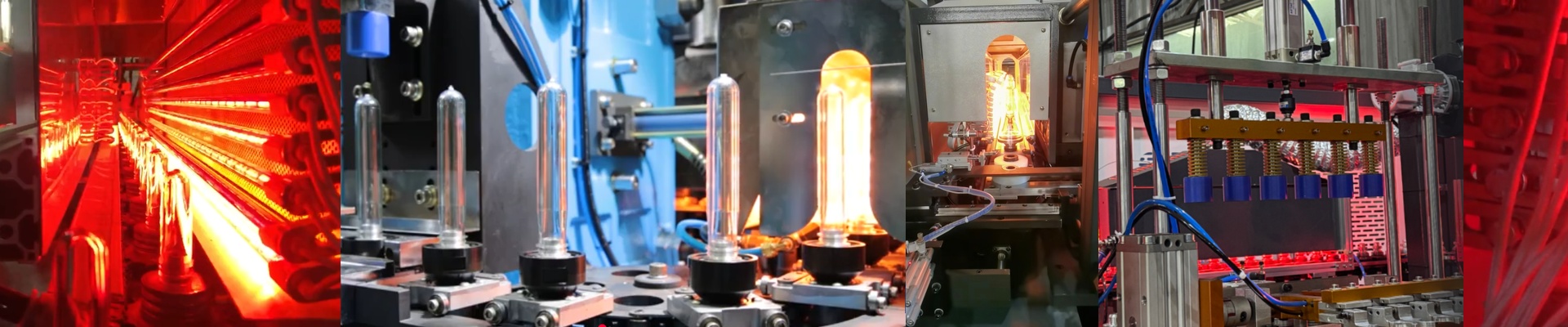
When you’re running an automated kitchen line, you’re in a race against time. You need that moisture gone—fast. But there’s a catch: if you just blast the ceramics with heat, they’ll crack. Do the same to the plastic parts, and they’ll melt into a puddle. That’s why we use quartz tube infrared lamps. Instead of just heating up the air like a standard oven, these tubes send shortwave radiation straight to the surface of the plate or bowl. It’s direct. It’s efficient. And it makes the drying cycle move way quicker.
The Secret to Steady Heat
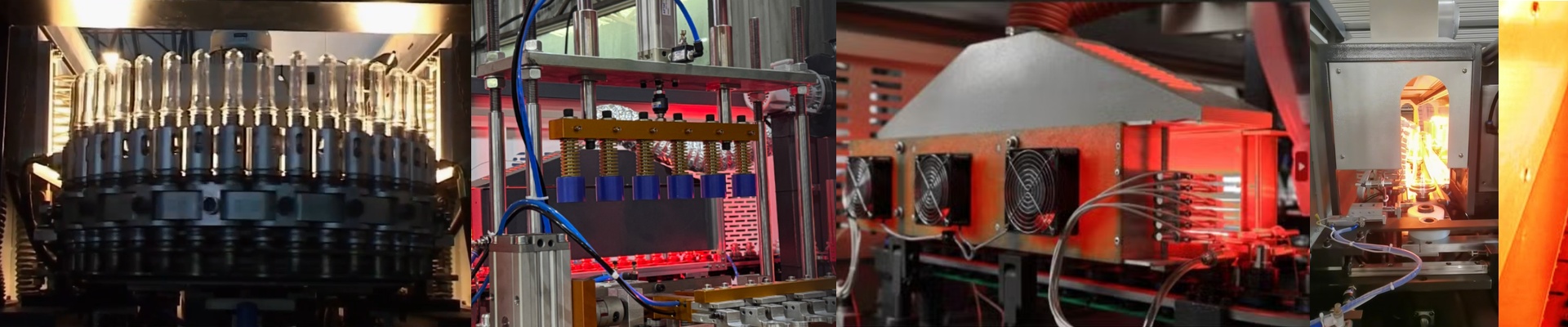
You can’t just flip a switch and hope for the best. If you do, you’ll end up with “hot spots” that ruin your product. To keep things steady, we hook the quartz tubes up to a PID controller using Solid State Relays (SSRs). This lets the system “pulse” the power. It’s basically a rapid-fire on-off cycle that keeps the temperature locked in within ±1°C. One pro tip: watch your sensor placement. If your thermocouples are too close to the lamp, they’ll just read the lamp’s own heat. Keep them exactly 50mm away, or your readings will be useless.
Choosing Your Quartz
We stick with high-purity fused quartz for the envelopes because it’s tough. It can handle being snapped on and off repeatedly without shattering from the thermal shock. Depending on how fast your conveyor belt moves, we can tweak the wattage. More wattage means you can save some floor space, but it’s a bit of a gamble. If your belt jams or stops for a second, you risk scorching the surface of your tableware. Because of that, youabsolutely needan emergency stop that kills the power instantly. No exceptions—nobody wants a fire in the middle of the shift.
The Real-World Trade-offs
Here’s the thing: high-precision heat isn’t free. These tubes pull a lot of current, and they’re picky about it. If your power grid is jumpy or has voltage spikes, you’ll burn through your filaments way faster than you should. A simple voltage stabilizer in your wiring saves you a lot of headaches (and money) down the road. And remember, quartz is glass. It’s fragile. In a loud, vibrating factory environment, those tubes can shake loose. We use reinforced mounting brackets to keep everything locked down tight so nothing snaps.