Making Infrared Heaters Actually Work in Steam Bread Ovens
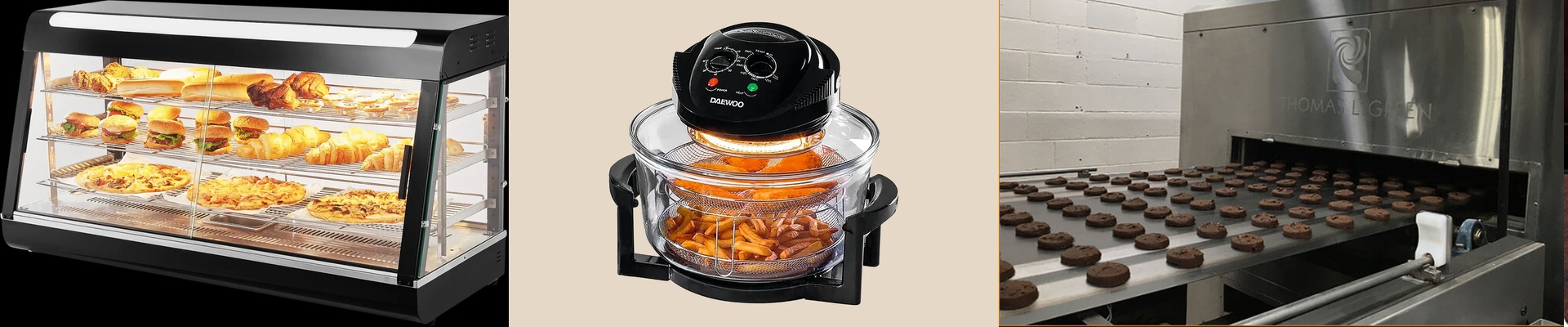
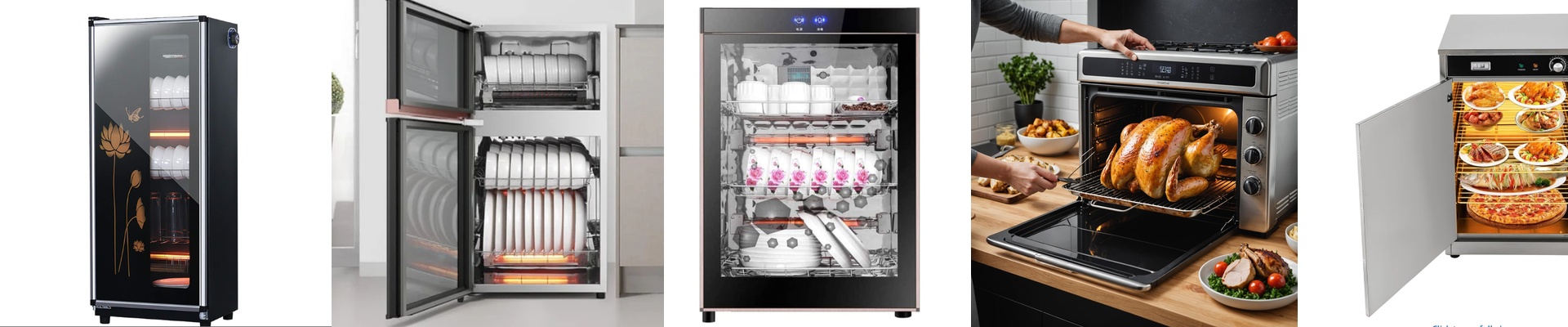
Let’s be honest: steam ovens are a nightmare for heating elements. You’ve got thick humidity and temperatures that jump all over the place. It’s a brutal environment. That’s why we stick with circular infrared heating tubes. Instead of wasting time trying to heat up the air first, these just push the heat directly where it needs to go. It’s way more efficient. The secret to keeping things steady If you want to stop those annoying temperature swings, it all comes down to the quartz envelope. We use a circular design because it spreads the heat load evenly across the filament. No “hot spots.” No premature burnouts. Plus, when you pair these with a PID controller, the response time is incredible. You open the oven door, a blast of heat escapes, and the infrared emitter kicks back in almost instantly to get you back to your set point. It just works. The nitty-gritty on the build We use high-purity quartz glass for the tubes. Why? Because steam is corrosive, and this stuff can actually handle it. But here’s the thing: you have to get the wattage right for the size of your oven. If you cram a high-wattage tube into a tiny cavity, the thermal expansion gets uneven and—crack—there goes your quartz. We also make sure the seals are airtight. If moisture sneaks into the filament housing, it’s game over. A few things to watch out for These tubes are great drop-in replacements for industrial ovens, and they move heat fast. Really fast. But that high heat density means you can’t cut corners on the electrical side. Check your wiring gauge and your connector ratings. If your connectors aren’t up to the task, they’ll literally melt. And one last tip: keep the quartz clean. Flour dust and grease might seem harmless, but they create localized hotspots on the surface. That’s a quick way to kill your lamp. Keep it wiped down, and it’ll last much longer.