Getting the Perfect Sear: A Look at Our Short-Wave IR Elements
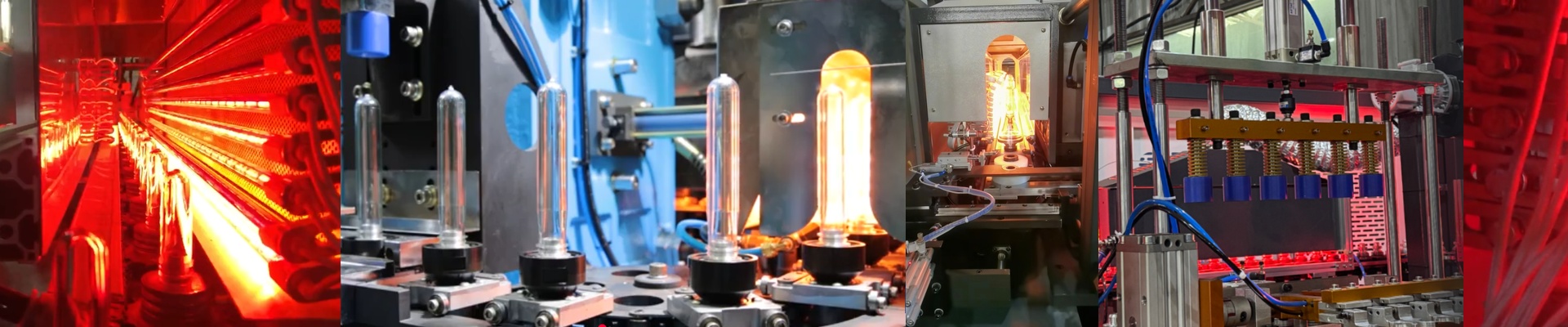
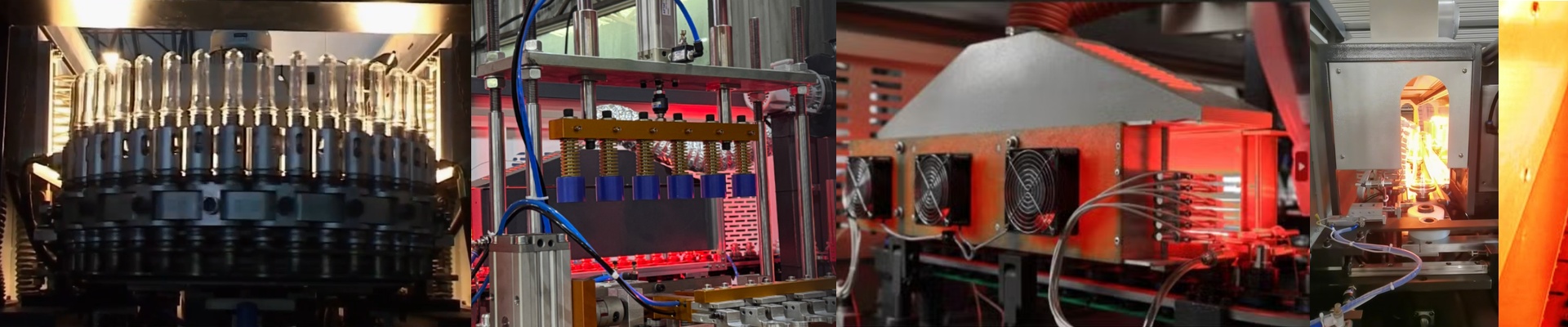
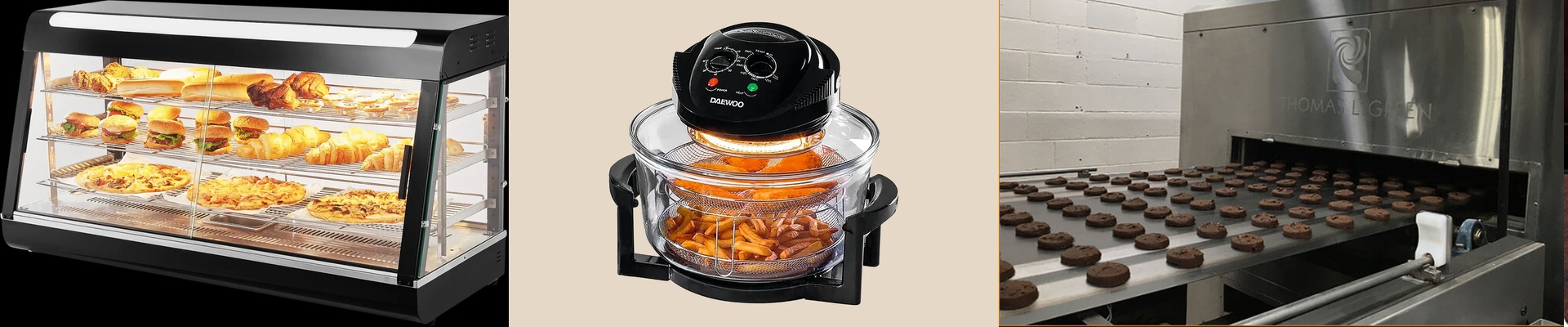
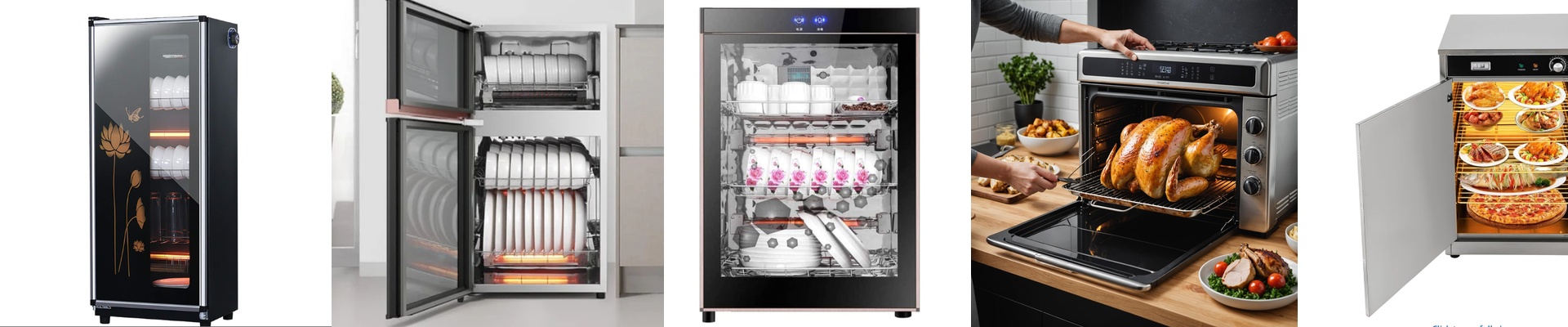
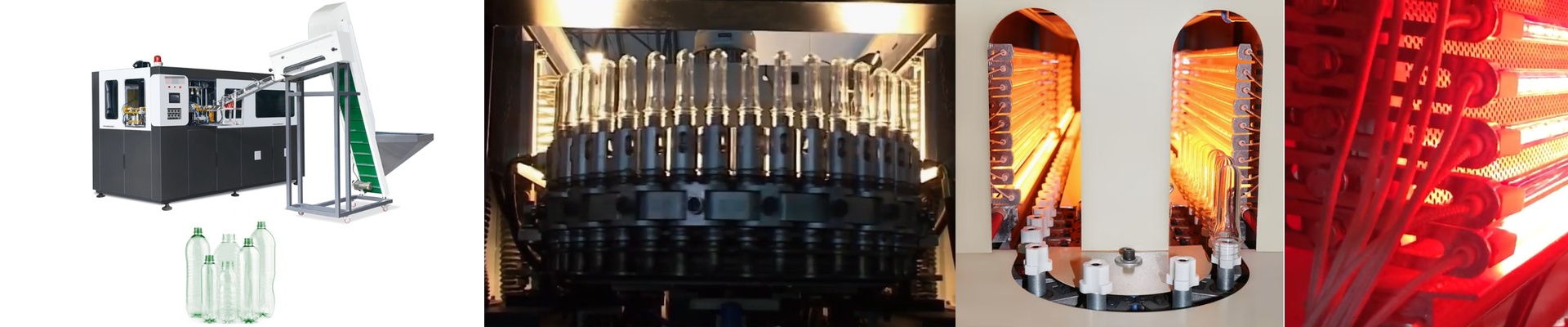
Most ovens just blow hot air around. That’s convection, and it’s fine for some things, but it’s not how you get a truly great crust. We do things differently. Our infrared elements use short-wave radiation to push heat straight through the surface of your food or coating. Think of it as a shortcut. Instead of waiting for the air to heat up, photons dive right into the outer layer. This is how you get that holy grail of textures: a crisp, golden outside and a tender, juicy center. The surface moisture evaporates fast, while the middle cooks steady and slow. The Power Balance When you’re picking an element, it really comes down to how much power you’re packing into the length of the tube. If you go with high-wattage quartz, you get that intense heat density needed for a fast, aggressive sear. High-voltage elements ramp up quickly. It’s satisfying to see how fast they hit temperature. But there’s a catch. All that heat puts a lot of stress on the quartz glass. You’ve got to make sure your oven’s ventilation is up to the task. If the air doesn’t move, your sockets might actually melt. Not a great look. The Hardware Side of Things We wrap our tungsten filaments in high-purity quartz glass. We do this because the glass basically disappears—it lets the short-wave IR pass through without soaking up the energy. Some of our tubes have a special coating that tweaks the light spectrum, focusing the heat exactly where it needs to be. To make your life easier, we use standard R7s or Sk15 connectors. They should slide right into most industrial deck ovens without any fuss. No gaps, no arcing, just a solid connection. Pro Tips for the Field Installing these is pretty easy, but here is one big rule:do not touch the quartz with your bare hands. It sounds weird, but the oils from your skin create tiny hotspots. When the tube heats up, those spots cause the glass to crack. Just grab some lint-free gloves and you’re good to go. Also, keep an eye on the color. If you’re running these hard for 12+ hours a day, the filament will eventually thin out. That’s just physics. When the light starts shifting from a bright, crisp white to a dull orange, it’s time for a swap. Change them out then, and your curing speeds will stay exactly where you want them.