Picking the Right Replacement Lamps for Your Rotary Oven
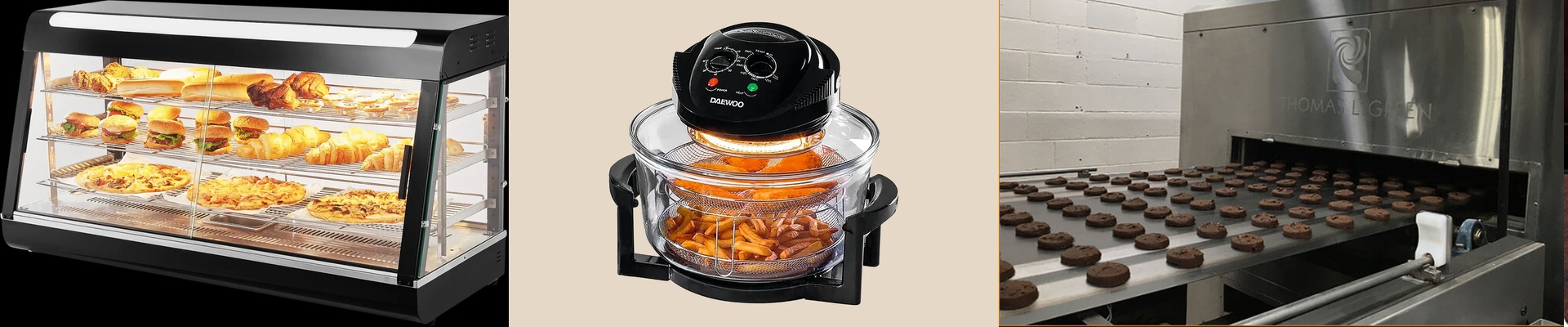
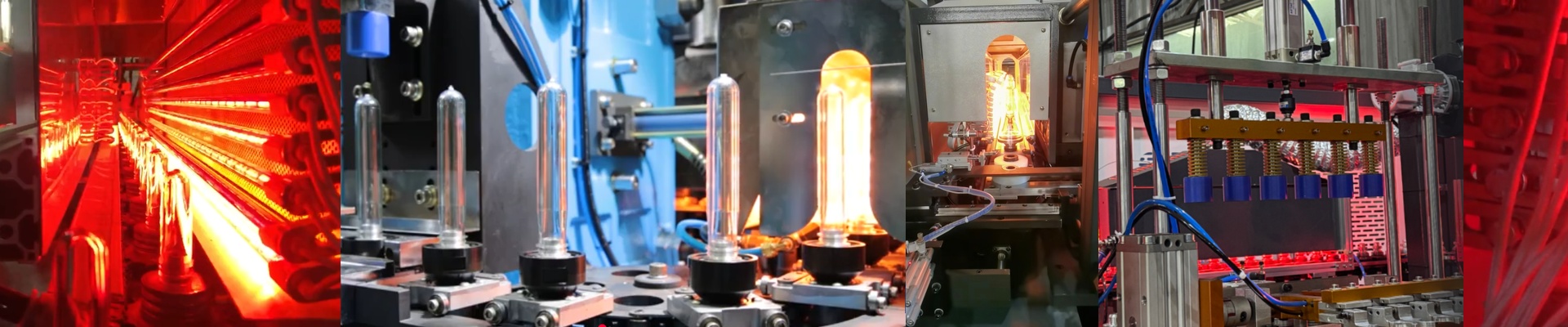
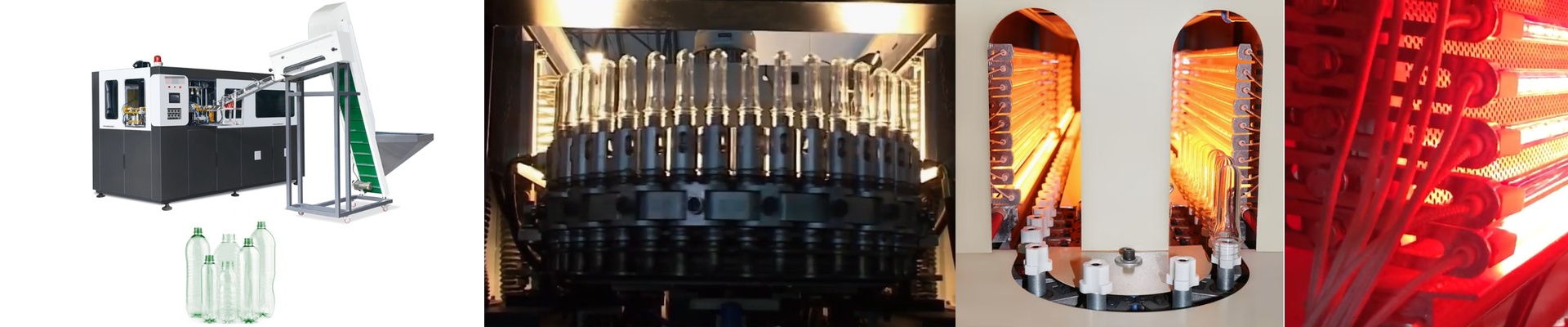
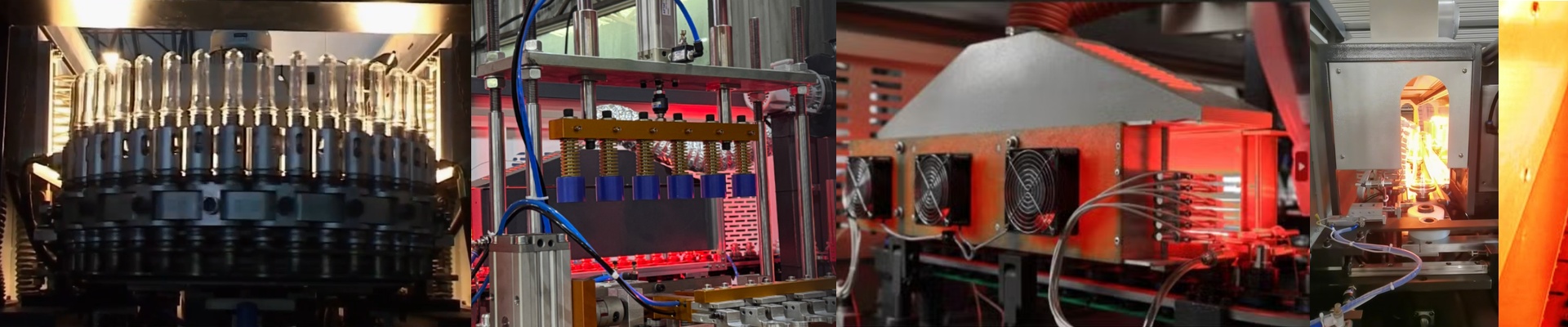
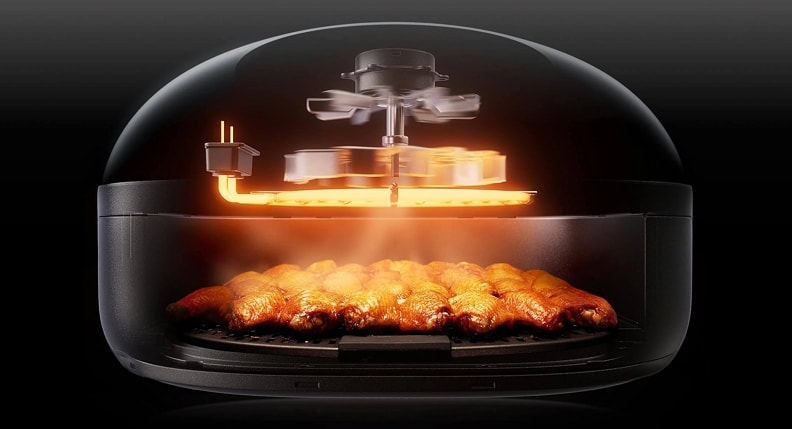
Let’s be honest: when the original lamps in your rotary oven finally give out, looking at the price tag for OEM replacements can be a bit of a gut punch. Naturally, you start looking for alternatives. But here’s the thing. Finding a good alternative isn’t about hunting for the cheapest tube on the market. It’s about making sure the heat and the power actually match what your machine expects. Getting the specs right You can’t afford to guess on the wattage. If you plug a 230V lamp into a 400V circuit, it’s going to pop instantly. It’s that simple. We always double-check the length and the connector—usually R7s or SK15—so it just slides right in. It sounds trivial, but if a tube is even 5mm too long, it won’t seat. Too short? You’ll get cold spots at the edges of your product, and suddenly your curing or baking is all over the place. The tech behind the heat Most of these fast-heating ovens rely on short-wave infrared (SWIR) halogen lamps. We use high-purity quartz glass because it can take the thermal shock without cracking. Depending on what you’re making, you might need a coated tube to protect the filament or tweak the light spectrum. The magic of short-wave radiation is that it sinks into the material fast. That’s why these lamps hit your target temp in a matter of seconds. The trade-off: Speed vs. Survival High-wattage tubes are great for packing in massive heat. They’ll shave time off your cycle, which is awesome for productivity. But there’s a catch. When you push a lamp to its absolute limit, the filament wears out faster. If you want that lightning-fast heat, just be ready to swap out your tubes more often. And one last tip: check your wiring and contactors. If you jump up to a high-power replacement, make sure your system can handle the current draw. Otherwise, you might end up melting your terminals, and that’s a much bigger headache than a burnt-out bulb.