Keeping Your Oven Steady When Things Get Chaotic
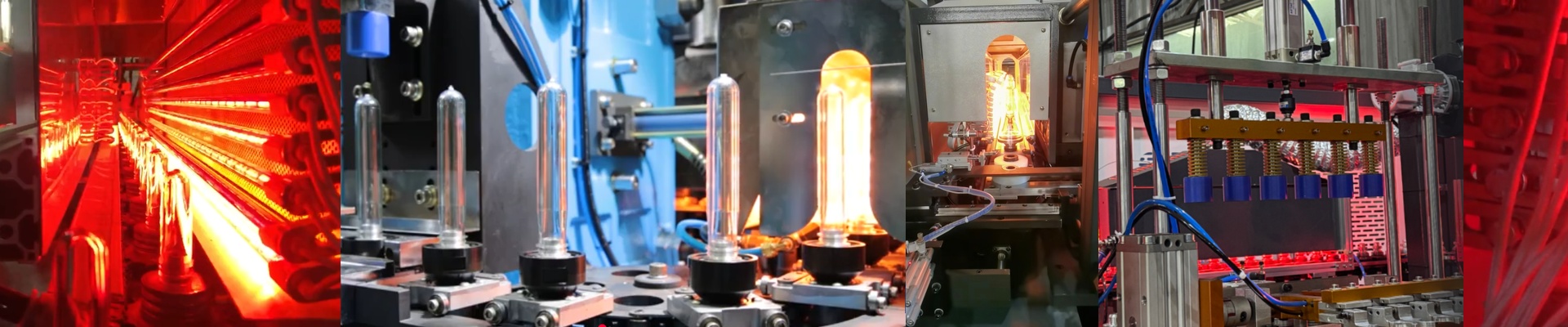
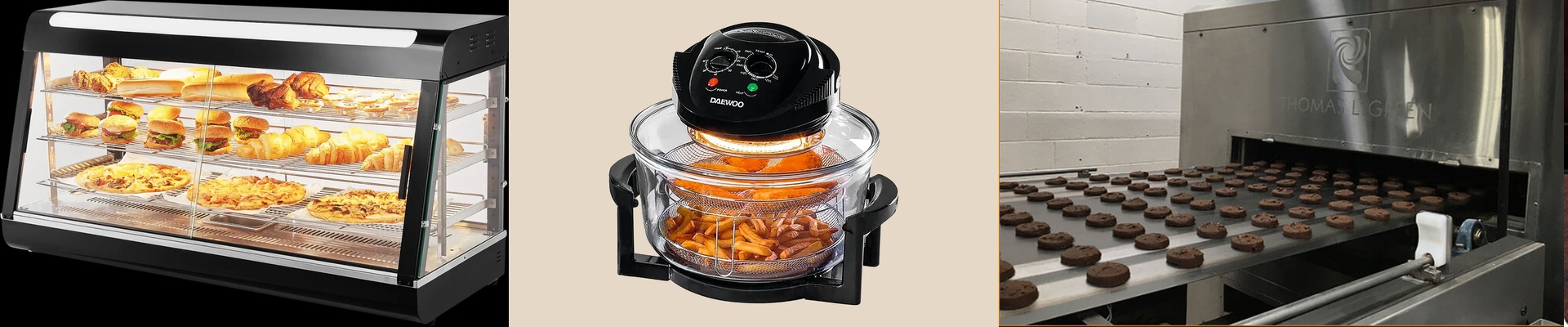
If you’ve ever run a professional bread oven, you know the struggle. Every time you swing that door open to slide in a new batch of trays, you’re basically inviting the entire room’s cold air inside. You lose a massive amount of heat in seconds. It’s a constant fight. That’s why we lean on clear quartz radiant heaters and IR control systems.
Why Clear Quartz?
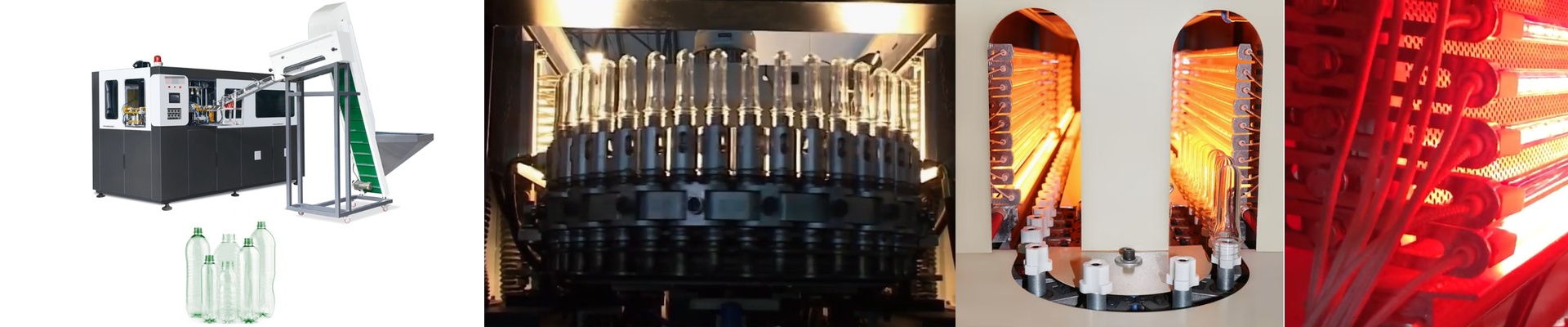
Here’s the thing about clear quartz tubes: they let short-wave infrared radiation fly right through without soaking it up. Unlike standard convection—which just warms up the air—these lamps hit the dough directly. It’s what gives you that perfect, professional crust, and it happens fast. Really fast. But there is a catch. Because that heat is so aggressive, it’s easy to overshoot your target temperature if your settings aren’t dialed in just right.
Stopping the Temperature Rollercoaster
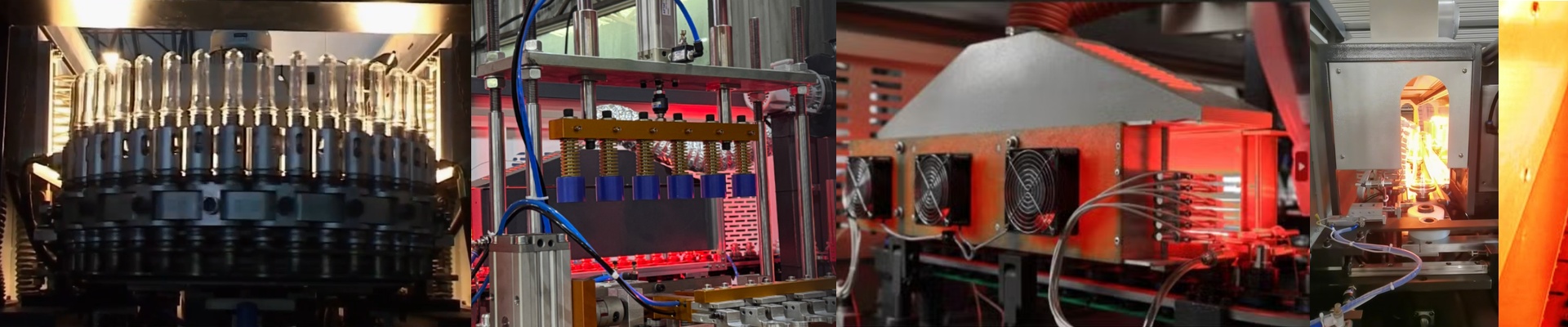
To keep the heat from swinging wildly, you can’t just hope for the best. You need an IR temperature sensor hooked up to a high-frequency switching controller. When the sensor notices the temperature dip—like the moment you open the door—the system kicks the quartz lamps into high gear instantly. And we don’t use air thermistors here. Air sensors are just too slow; by the time they realize the oven is cold, the damage is already done. IR sensors look at the actual surface of the bread. The controller then tweaks the wattage on the fly to make up for the lost heat. It keeps everything steady, even if your kitchen is drafty.
The Practical Side of Things
Of course, this kind of precision needs a rock-solid power supply. If your wiring has significant voltage drops, your wattage will dip and your timing will lag. You’ll feel that lag in your bake. You’ve got to make sure your wiring can handle those sudden spikes in current when the system is fighting to get the heat back up. One last tip: keep your insulation tight. If your oven is leaking air, your lamps will have to run at 100% just to keep up. That’s a quick way to burn out your filaments. Tight seals mean longer-lasting tubes and a much happier workflow.