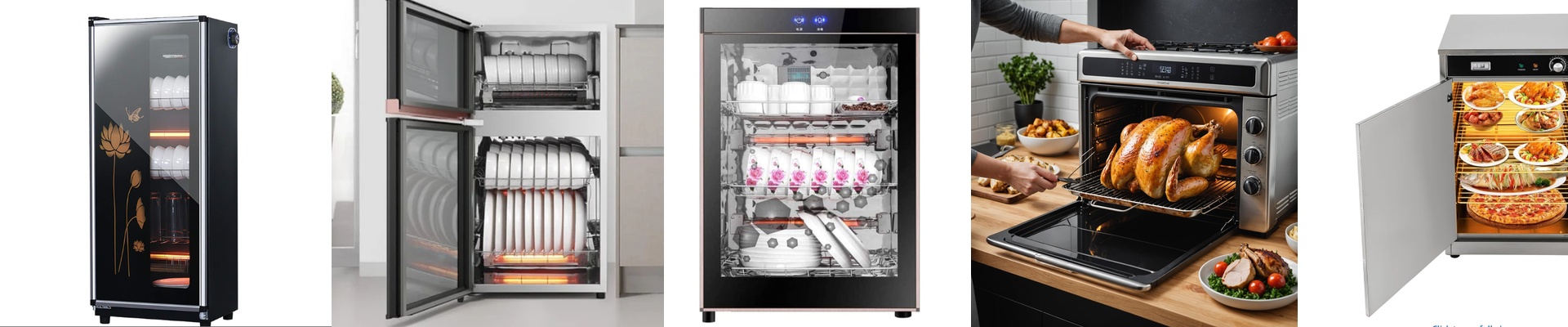
Stop Waiting on Your Deck Oven to Catch Up
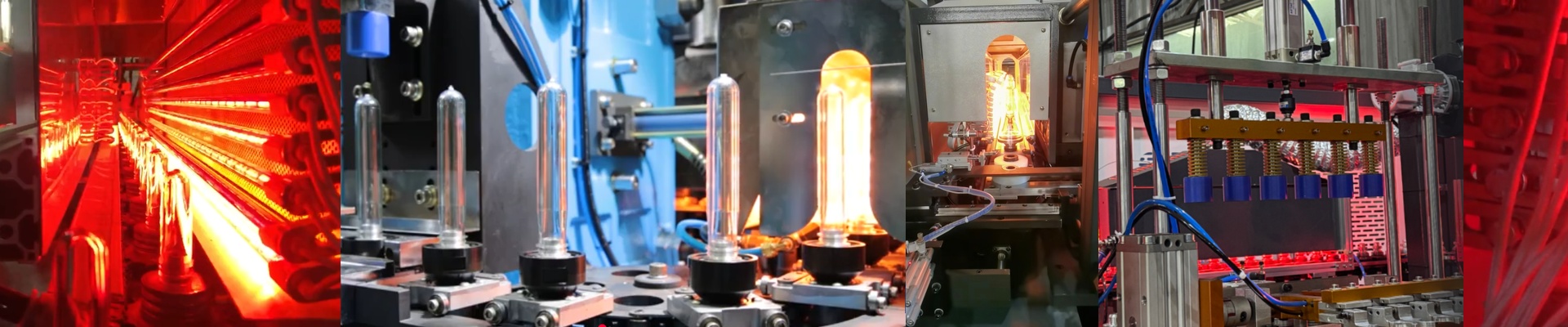
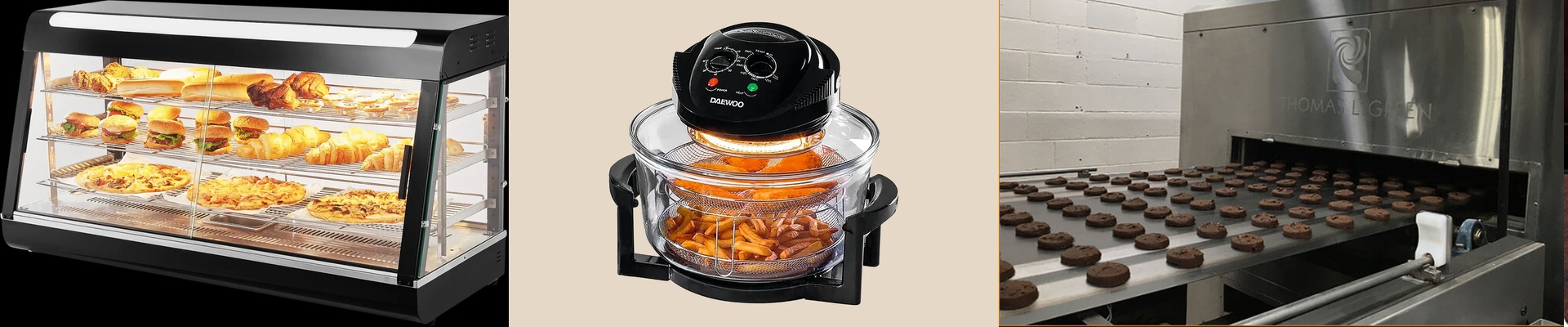
If you’ve ever spent a morning staring at a deck oven, waiting for it to get back up to temp after sliding in a fresh batch of cold dough, you know how frustrating it is. It kills your momentum. You’re standing there, the clock is ticking, and your throughput just tanks. We found a way to fix that. Instead of just relying on the stone, we’ve added shortwave radiant heaters to handle the recovery phase. Here’s the magic: these elements don’t waste time heating up the air around the bread. They send energy straight into the product. It’s direct. It’s fast.
The Secret to “Instant” Heat
Most heating elements are slow. They take forever to wake up. We switched to quartz-halogen tech because it reacts almost instantly. When you hit the switch, the filament hits peak temperature in a blink. This means you can actually keep your oven at a lower base temperature and just “flash” the heat exactly when the deck needs a boost. It saves a ton of energy because you aren’t just burning power to keep a massive block of stone screaming hot while it’s sitting idle.
The Nitty-Gritty
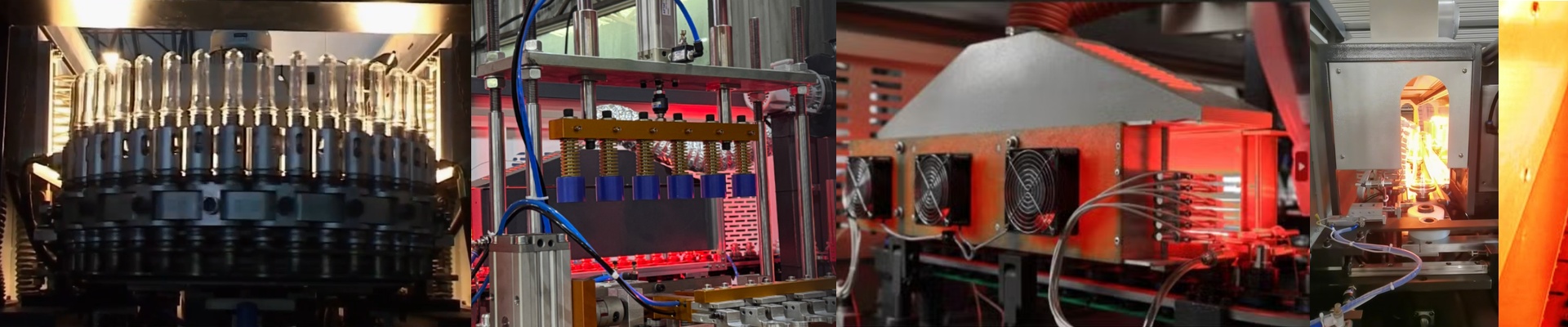
We use high-purity quartz for the tubes. Why? Because it lets the infrared light pass through without getting blocked. We also packed in a lot of wattage into a small space, so you get concentrated heat right where the crust needs it most. One quick heads-up: check your wiring. If you’re adding these to an old chassis, make sure your controllers can handle the quick current spikes that happen when halogens ignite. You don’t want to trip a breaker in the middle of a rush.
Making it Work
These are designed to be simple drop-ins. You can add them to your current setup or swap them into your existing configuration to get rid of those long preheat bottlenecks. But there is a catch. Because this heat is so aggressive, you can’t wing the timing. If you leave it on a few seconds too long, you’ll torch the surface before the center is even warm. To keep things from scorching, you’ll want to pair these with a precise PID controller or a solid timer. Get the timing right, and you’ve basically removed the biggest lag in your kitchen.