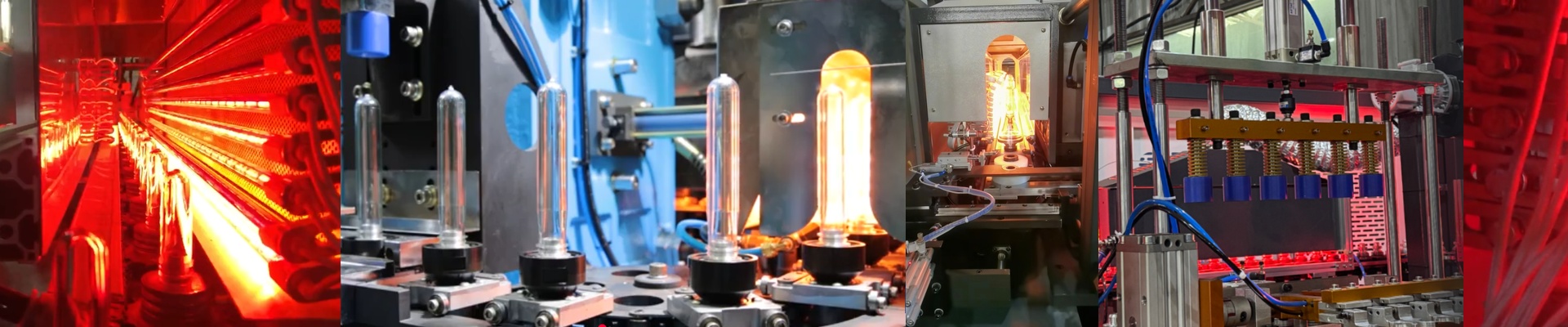
Making Your PET Blow Molding Lamps Actually Work Together
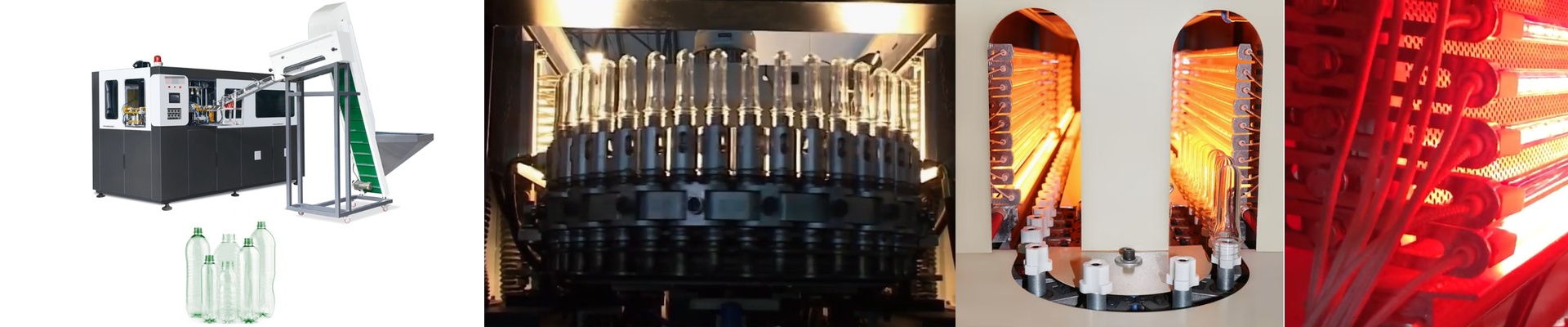
If you’ve ever dealt with a PET blow molding line, you know the drill. You’re chasing that perfect thermal profile so your preforms don’t turn white or, worse, just melt into a puddle. Then a lamp burns out. The last thing you want to do is spend hours messing with your PLC parameters just because you bought a replacement part. You just want a lamp that fits, turns on, and does the job. That’s why we built our infrared lamps to be the “universal spare” for Sidel and Krones systems. We stopped overcomplicating things and focused on the only three things that actually matter: the electrical load, the size, and the heat output.
Power and the “Perfect Fit”
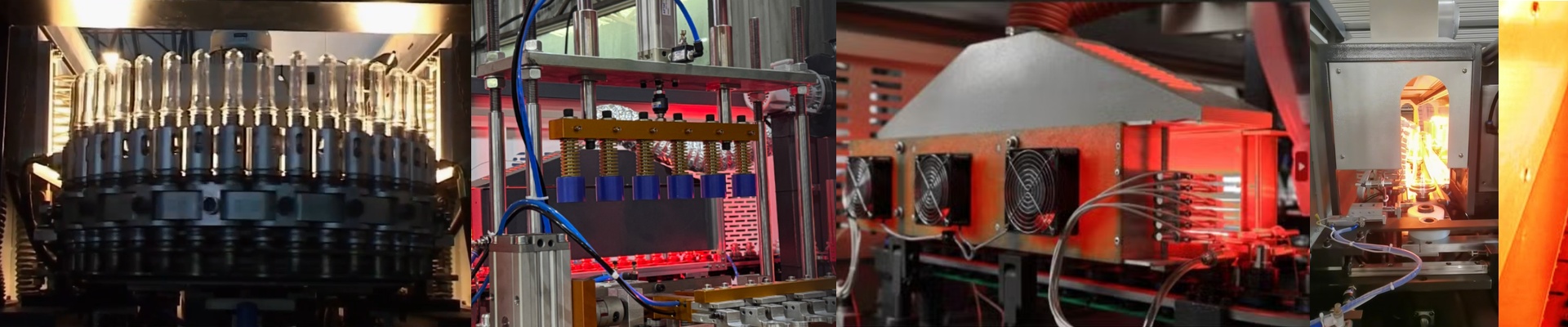
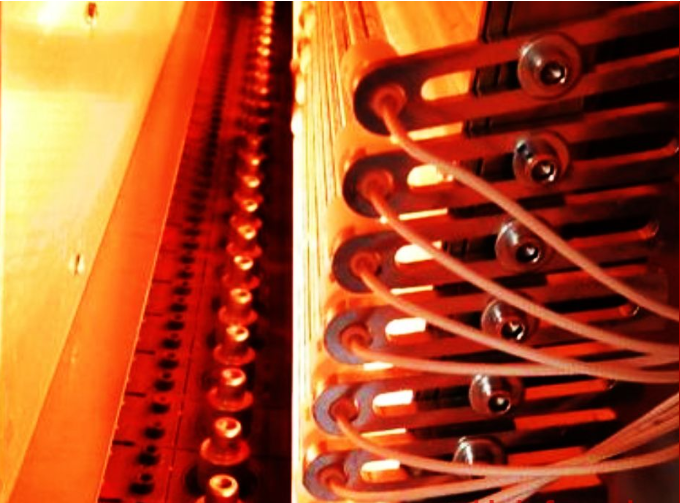
We build our tubes to handle the high-voltage demands of the big global OEMs. Whether your setup is 230V or 400V, we calibrate the wattage so the heat density stays consistent. Here’s the thing: if the wattage is too low, you get cold spots on your preform. Too high? You’re scorching the plastic. And then there’s the physical fit. We use precision-ground quartz glass because even a single millimeter of difference is a disaster. If the lamp doesn’t seat perfectly in those R7s or SK15 sockets, you’re looking at arcing or a lamp that pops way sooner than it should.
The Nitty-Gritty on Materials
We use halogen-filled quartz. Why? Because it lets the lamps run hotter than your basic IR bulbs, which means they warm up faster and your cycles move quicker. To keep them from getting hammered by oven debris, we use specific coatings to tune the wavelength. Shortwave IR is great because it punches through the PET wall faster, but it’s tougher on the quartz. One quick tip:**Keep your reflectors clean.**If they’re dirty, the heat bounces back into the lamp, causing it to overheat and snap. It’s a simple fix that saves a lot of headaches.
Getting Them Running
Since we stick to industry-standard connector footprints, these lamps work with about 95% of the equipment out there. You just wire them up and you’re back in business. Just a heads-up: these high-output lamps put off a massive amount of ambient heat. Double-check that your oven’s cooling fans are actually spinning. If they aren’t, you’ll start frying the surrounding wiring, and that’s a problem nobody wants to deal with on a Tuesday afternoon.