Stop Waiting on Your Oven to Heat Up
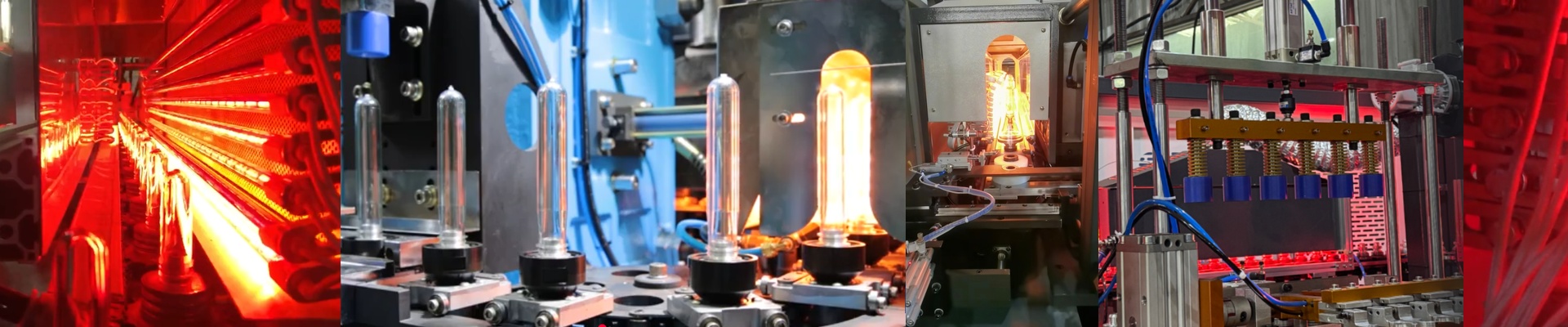
If you’ve spent any time on a factory floor, you know the frustration of the preheat bottleneck. You’re standing there, watching the clock, waiting for the air in the oven to finally hit the right temperature before you can actually start working. It’s a waste of time. That’s why we use infrared (IR) auxiliary heating tubes. Instead of trying to heat up every cubic inch of air in the chamber, these tubes beam heat directly onto the surface of your product. It’s a shortcut. You get your parts up to temp faster, which means you can push more through the line every shift. The “Thermal Kickstart” Traditional heating is slow. It relies on convection—basically moving hot air around—which takes forever to penetrate a cold workpiece. Our IR tubes work differently. They use short-wave radiation that hits the product instantly. Think of it as a thermal kickstart. The IR tubes handle the heavy lifting during the initial ramp-up, and once you’re at temp, your main heating system just takes over to keep things steady. The Nitty-Gritty We make these tubes out of high-purity quartz. Why? Because it lets the heat pass through without getting trapped. We also spend a lot of time on the filament winding to make sure there aren’t any “hot spots” that would burn the tube out early. Depending on how much space you have, we can tweak the wattage and voltage to fit your setup. But a word of caution: these things put out a massive amount of heat. You can’t just blast them at 100% and walk away. If you don’t have a PID controller to modulate the power, you’ll end up scorching the outside of your product while the core is still freezing. Setting Them Up (and Keeping Them Happy) These are designed to be drop-in replacements. We use standard connectors, so you aren’t spending your whole weekend rewiring the oven. One thing you can’t ignore:keep the glass clean. If grease or dust builds up on the quartz, it creates a barrier. The heat gets trapped, the glass stresses out, and eventually, it cracks. A quick, regular wipe-down is all it takes to avoid a headache. Also, just a heads-up for your electrician—higher wattage means more pull on your electrical panel. Double-check your breakers before you flip the switch so you don’t trip the power the moment the oven hits peak ramp-up.