Why Your Steam Oven Needs a Faster Way to Heat Up
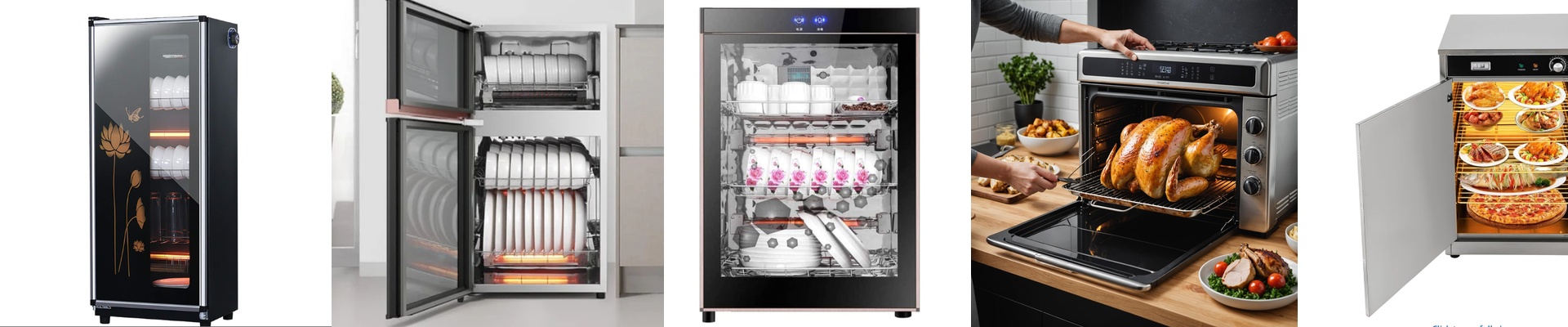
Most commercial ovens work the same way: they heat up the air or the walls, and then that heat eventually reaches your food. But in a busy kitchen, waiting around for the oven to “catch up” is a nightmare. It’s a bottleneck that slows everything down. That’s why we use short-wave infrared (IR) technology. Instead of warming up the air first, IR goes straight for the food. It cuts the wait time from several minutes down to a few seconds.
The Magic of Instant Heat
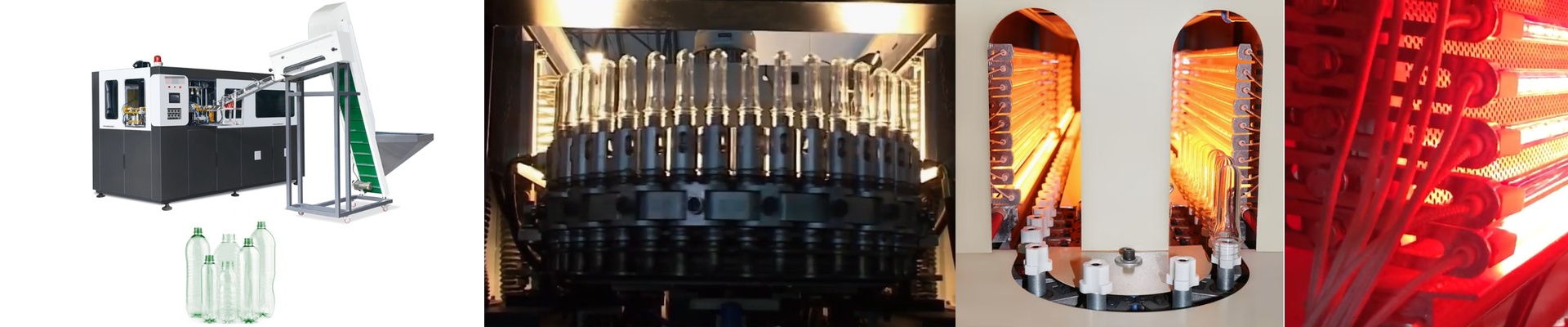
Standard heating elements are heavy and slow. They take forever to get hot, and once they’re humming, they stay hot for a long time. Our IR lamps are different. The moment you flip the switch, they’re ready. We call this “second-level response,” but in plain English, it just means you have total control. Want a quick, aggressive sear? Crank it up. Need to stop the cooking immediately so you don’t overdo it? Just turn it off. No lingering heat, no guessing games. This keeps your kitchen moving faster because you aren’t wasting half your shift waiting for the oven to ramp up or cool down.
The Nitty-Gritty on the Build
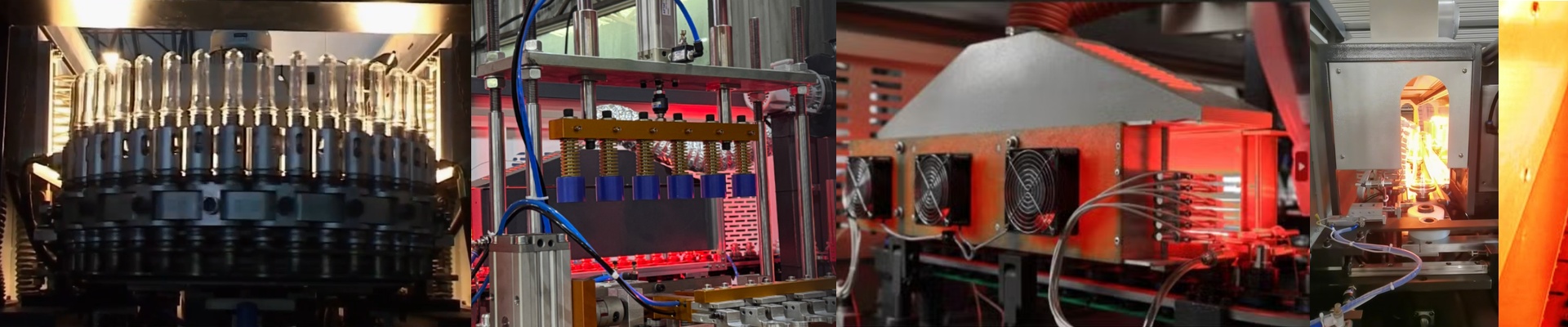
We build these using quartz glass and halogen gas. The halogen part is key—it keeps the filament from burning out too quickly, so the lamps actually last, even when you’re pushing them hard. We usually stick with R7s or Sk15 connectors because they stay put and don’t rattle loose when the kitchen gets chaotic. One heads-up: these lamps pull a lot of power. If you’re trying to fit these into an old oven, please check your wiring and contactors first. Old gear might not be built for the kind of rapid on-off switching these lamps do.
A Couple of Things to Keep in Mind
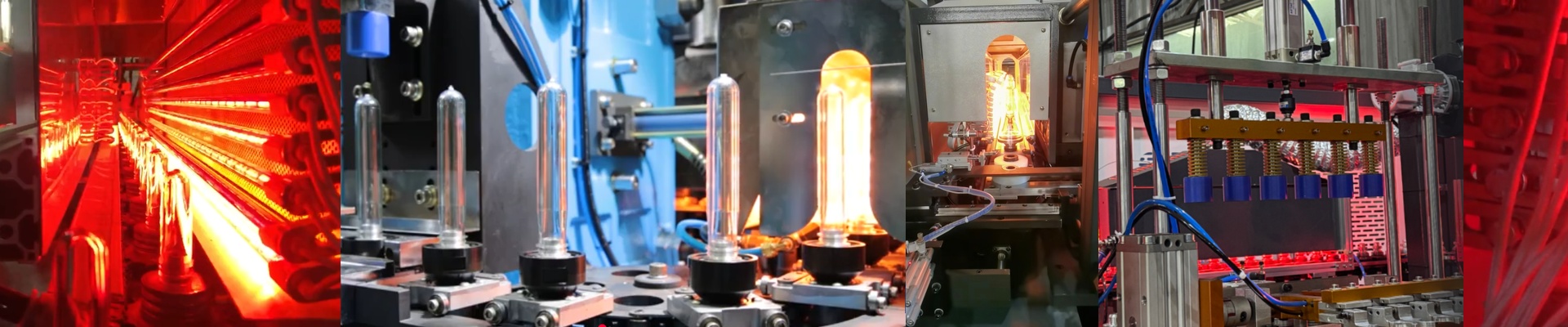
IR is incredibly fast, but it’s also very directional. It only heats what it can “see.” If the lamp can’t see the food, it won’t heat it. You’ll want to be smart about where you place them to avoid those annoying cold spots. Also, be careful during cleanup. Those quartz tubes are tough, but they’ll crack if you hit them with ice-cold water or harsh chemicals while they’re still hot. Make sure your guards are set up to handle the environment.