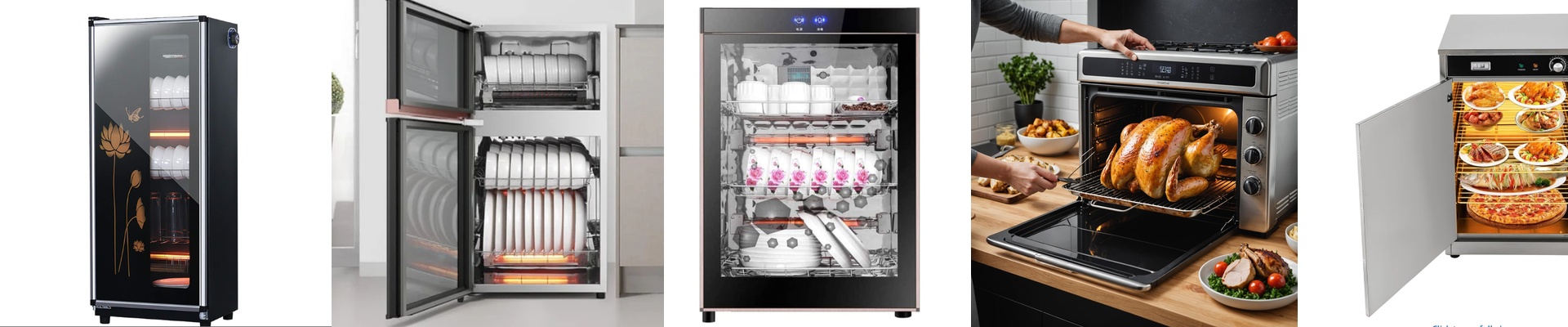
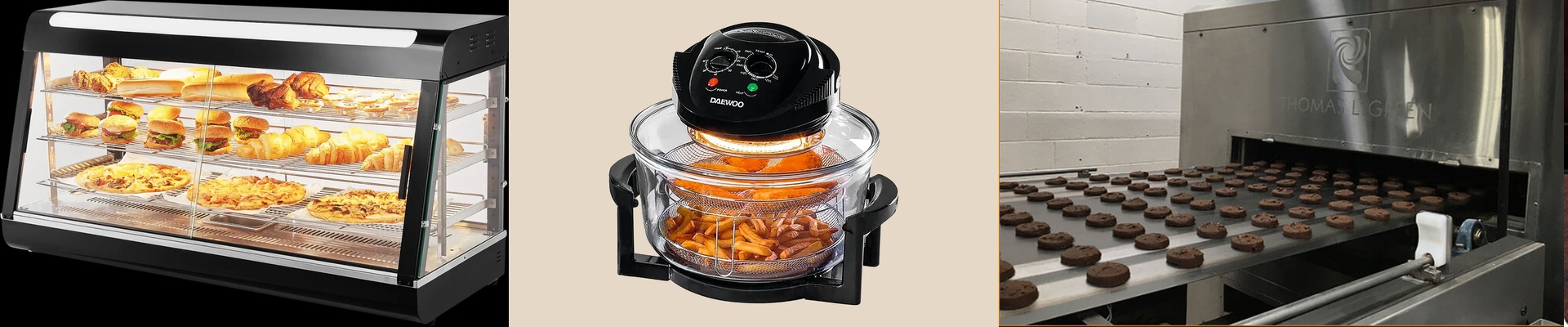
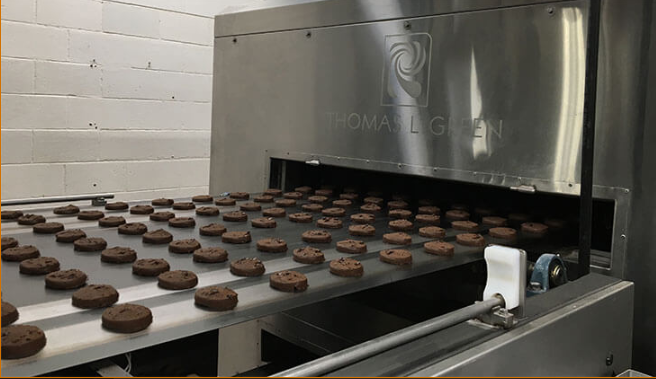
Getting That Perfect Caramelization (Without Burning Everything)
Getting that perfect golden-brown crust isn’t just about cranking up the heat. It’s about timing. If you’re off by a few seconds, you go from “perfectly crispy” to “burnt toast” real quick. That’s why we focused on the lag. In a convection dryer, you need the heat to jump up and down instantly. We built our heating elements to be lean and mean so the heat hits the food the exact moment those sugars start to break down.
Why “Standard” Heating Doesn’t Cut It
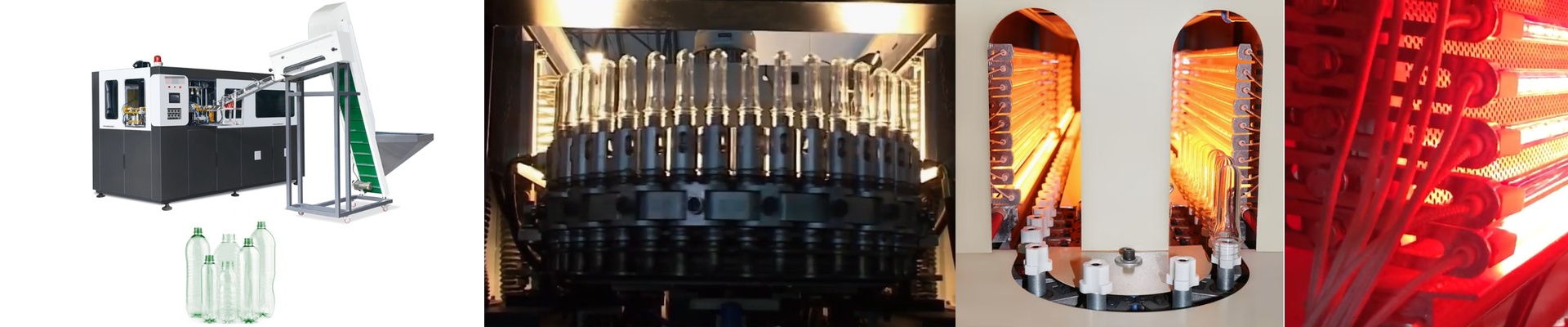
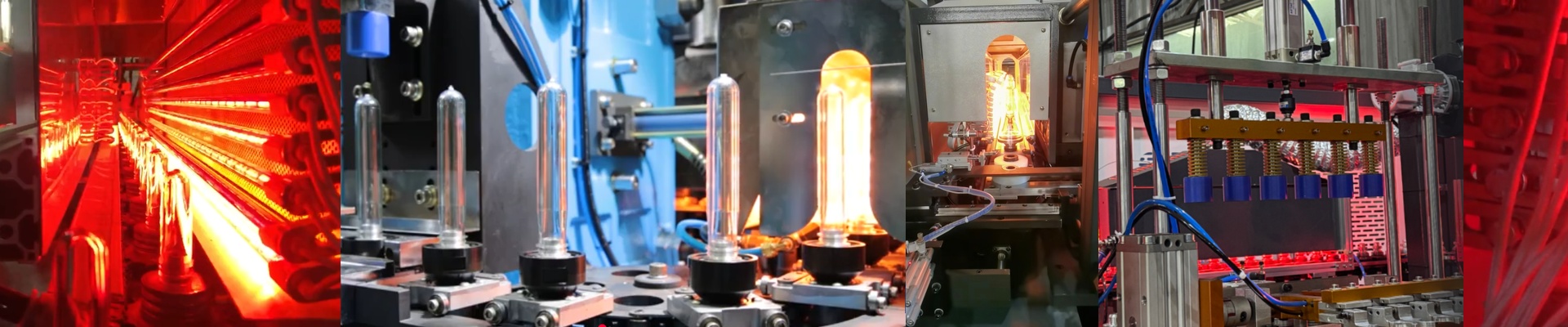
Most heating coils are just too slow. They have too much bulk, which means they take forever to react when you change the settings. We went with high-density elements instead. Because there’s less mass, the thermal inertia is way lower. You tweak the power, and the food feels it almost immediately. Pair that with a fast thermocouple and a PID controller, and you can keep the surface temperature in a tiny, precise window. The result? A gorgeous crust on the outside, but the inside stays juicy.
The Nitty-Gritty on Materials
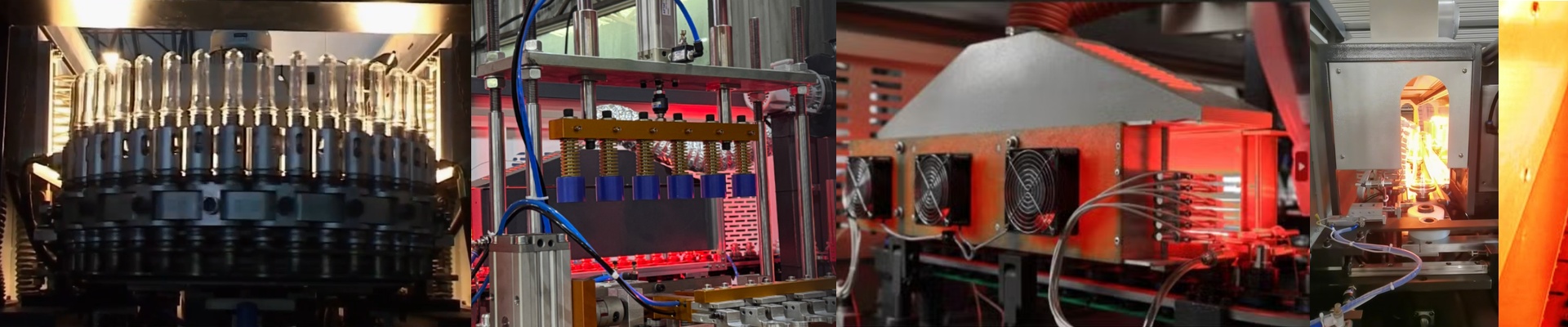
Convection ovens are brutal on equipment. We use materials that can take the heat without oxidizing or falling apart. We also packed in a lot of wattage per inch, so the elements don’t take up half your oven chamber. But here’s the catch: all that concentrated heat puts a lot of pressure on your blowers. If your airflow isn’t strong enough to move that heat away, you’re going to burn out your elements early. You’ve got to make sure your CFM (cubic feet per minute) matches the output. Otherwise, you’ll end up with annoying hot spots.
Setting It Up and Keeping It Running
These are designed to be simple drop-in replacements for most industrial setups. No headache. We also spent a lot of time on the connection points. Oven fans vibrate—a lot. We made sure the connections stay tight so they don’t rattle loose over time. One pro tip: check your terminal lugs for oxidation every six months. It only takes a minute, but it prevents voltage drops that can mess up your timing.