Keeping Your Bread Warm Without Burning Out Your Gear
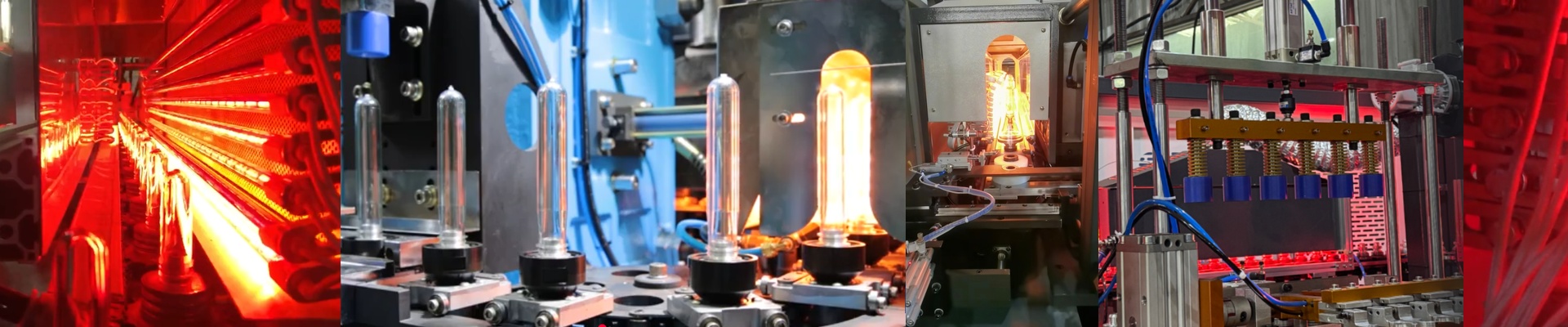
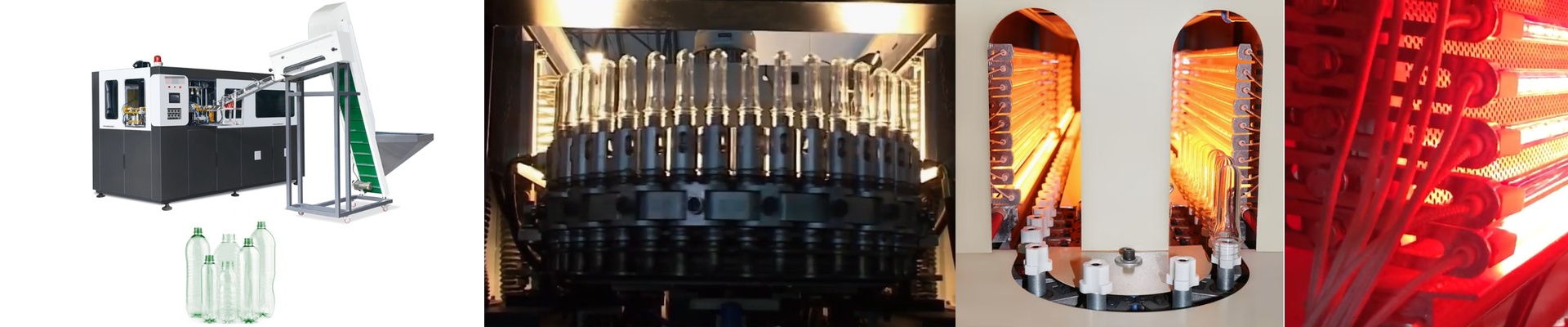
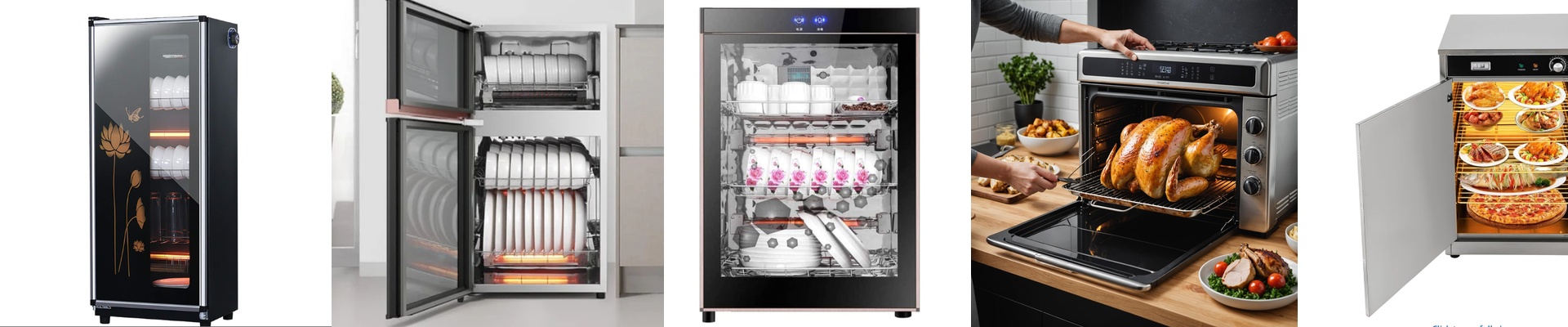
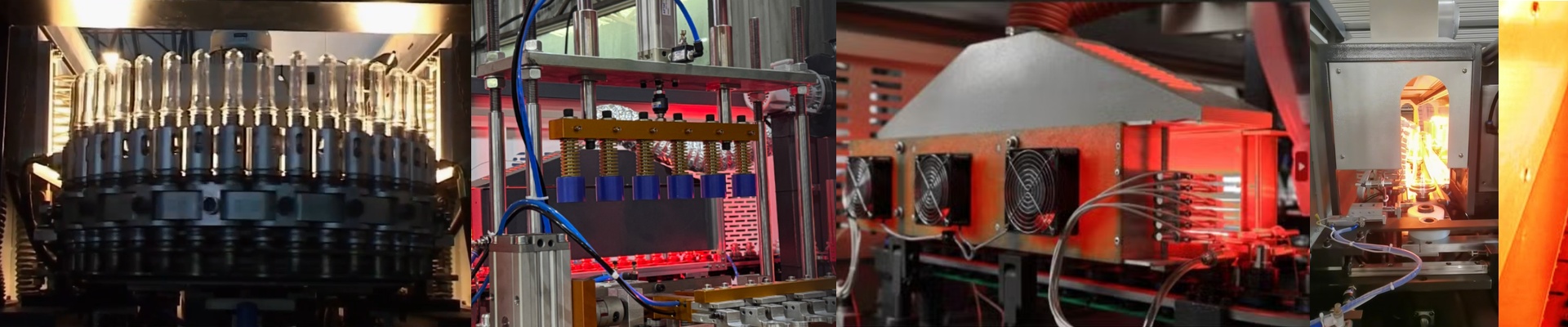
Getting that perfect crust temperature is a balancing act. You’re basically flicking heaters on and off every few seconds just to keep things steady. The problem? Most heating elements just can’t take it. They either crack from the thermal shock or they’re too slow to keep up, and then they just… die. We built our IR emitters specifically for this kind of chaos. They’re designed to handle that constant switching without giving up the ghost. How it actually works We use short-wave infrared and a halogen gas fill. Think of it this way: standard coils are like old radiators—they have to heat up a ton of metal before you actually feel any warmth. Our tungsten filaments are different. They hit full power in under a second. And here’s the clever bit: the halogen cycle actually puts evaporated tungsten back onto the filament. It stops the wire from thinning out while you’re cycling the power. It stays strong, and it stays fast. The grit and the grime Switching power on and off that quickly is brutal on the electrodes. To stop the tubes from leaking gas while the air inside expands and shrinks, we reinforced the end-caps. It’s a small detail, but it’s the difference between a part that lasts and one that pops. Now, a heads-up: this kind of heat density is intense. The quartz envelope gets hot—fast. If your oven isn’t vented right or your reflectors are a bit crooked, you might find your chassis overheating. Just keep an eye on your airflow. Plugging it in These are meant to be simple drop-in replacements for your industrial arrays. We spent a lot of time on the contact points because nobody wants to hear that nasty arcing sound every time the relay clicks. Because there’s so little “thermal mass,” the heat stops almost the moment you cut the power. You don’t get that annoying “overshoot” where the oven keeps getting hotter even after it’s off. It gives you way more control over the bread and stops you from wasting electricity for no reason.