Why you might want to swap those old oven wires for infrared
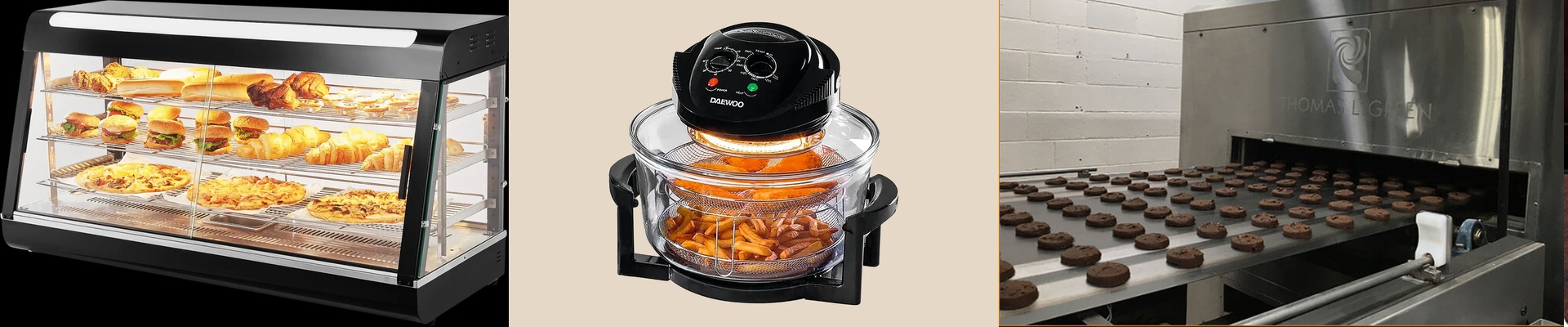
Most catering deck ovens use those standard resistive heating wires. You know the ones—they heat up the air, and then the air eventually heats up your food. It works, but it’s honestly a bit wasteful. If you switch over to infrared (IR) elements, you’re changing the whole vibe of the bake. Instead of waiting for the air to get hot, IR sends radiant energy straight into the food. It’s a different kind of heat. With old-school wires, you’re stuck waiting forever for the oven cavity to get saturated. It’s a drag. But IR elements hit their target temperature almost instantly. You aren’t burning through kilowatts just to heat up the oven walls for twenty minutes before the first tray even goes in. Everything just happens faster. Now, if you’re looking to actually make the switch, you’ve got to be careful with the specs. You can’t just throw any part in there. You need to match the voltage and wattage of your current power supply—usually 220V or 380V. If you pop in a high-wattage quartz or halogen tube without checking your wiring first, you’re asking for a meltdown. One heads-up: these elements are usually wrapped in quartz glass.**They’re fragile.**If your crew is a bit rough during the cleaning shift and bumps into them, they’ll snap. It’s the one real downside to having all that speed and efficiency. But let’s talk about the money. When you cut down your pre-heat and shorten the bake cycle, your power bill actually starts to look better. In a busy bakery, those little savings turn into a lot of cash over a year. Plus, your crusts come out more consistent. Just a tip—check your ventilation. That radiant heat is intense. If you don’t have enough airflow, you might find your plastic parts or gaskets starting to warp. Keep an eye on that, and you’re good to go.