How to actually speed up your kitchen line with IR lamps
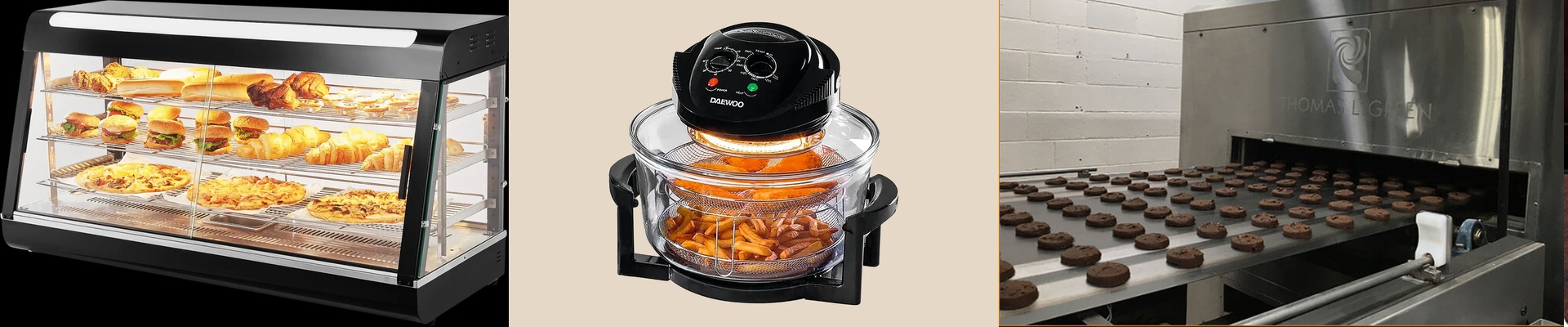
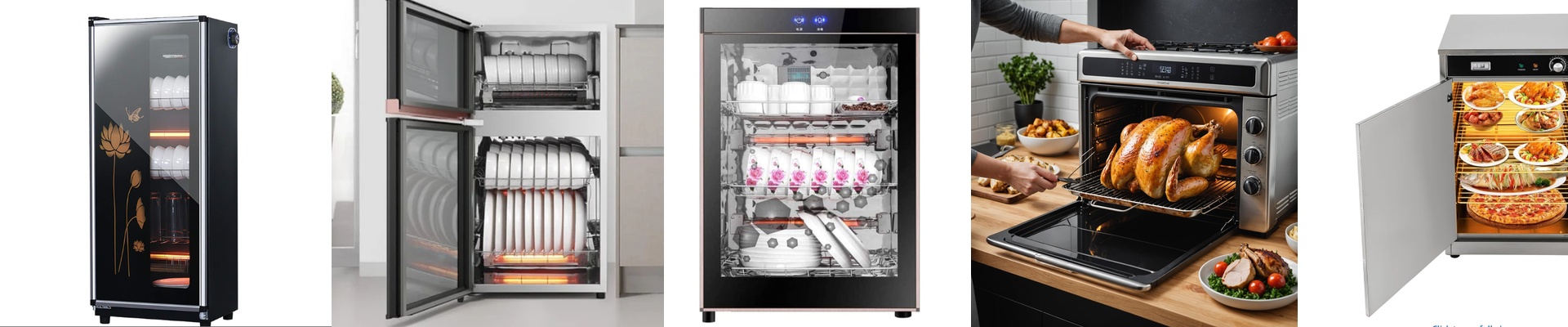
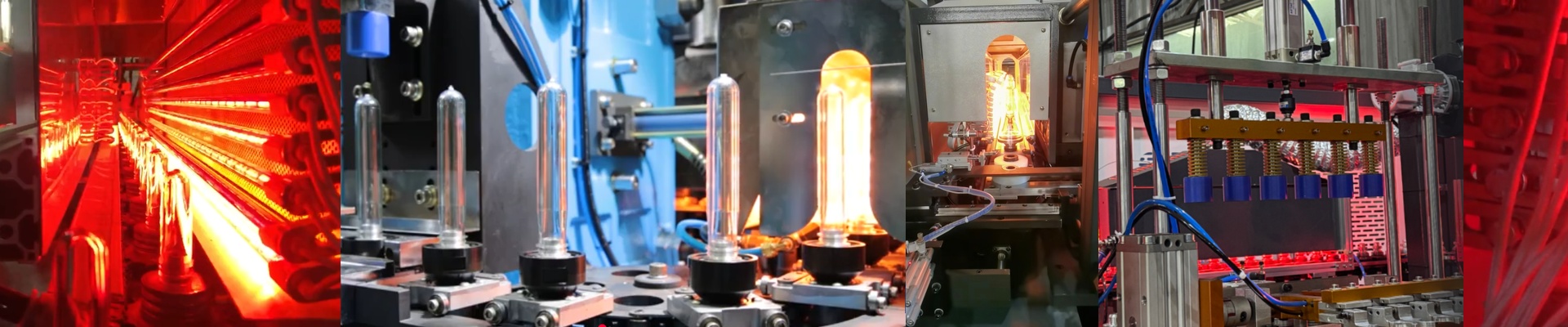
We’ve all been there. The tickets are piling up, the dining room is full, and your kitchen line hits a wall. Usually, that bottleneck happens right at the end—the final sear or that last reheat. Standard convection or steam just doesn’t react fast enough. It’s too slow. That’s why we use shortwave infrared (IR) lamps in our steam ovens. Instead of wasting time heating up the air around the food, these lamps shoot energy straight into the surface of the dish. It’s instant.
Why it works (without the textbook talk)
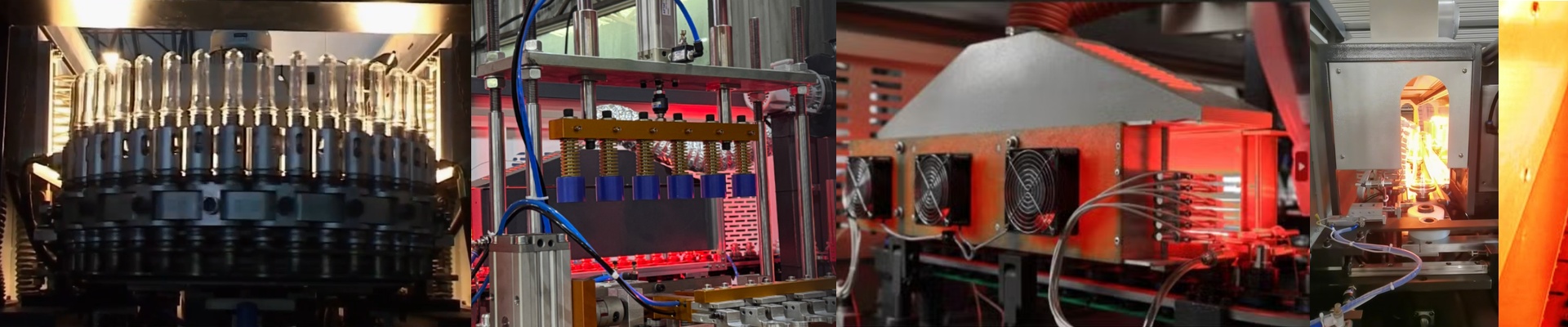
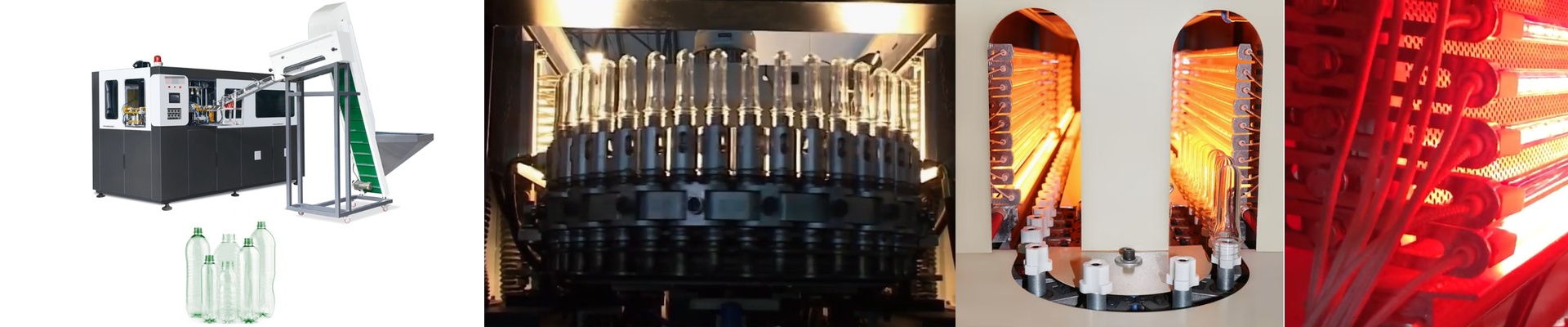
Most of these lamps use halogen-filled quartz tubes. We pick ones with high wattage because they hit their peak temperature in milliseconds. Think about a traditional heating element—it has to warm up the entire oven cavity before the food even notices. IR lamps don’t bother with that. They give you an immediate blast of heat. This lets you tighten up your rhythm and push way more plates out the door every hour.
Getting the fit right
Here is the tricky part: you have to be exact with your voltage and connectors. If you mess this up, you’re just going to fry your socket. Most industrial ovens use R7s or SK15 connectors because they don’t wiggle loose when the kitchen gets chaotic. If you’re swapping a lamp, double-check the length and the wattage. A 230V/500W tube is a completely different beast than a 1000W version. And a quick heads-up: check your ballast ratings before you try to “power up” to a higher wattage, or you might just blow a circuit.
The trade-offs
These lamps are powerful, but they’re finicky. Quartz glass can handle the heat, but it hates cold water or harsh chemicals. One splash of something freezing or a rough scrub with the wrong cleaner, and it’ll crack. Also,**never touch the glass with your bare hands.**The oils from your skin create little hot spots that make the lamp burn out way faster than it should. Use gloves. One last thing—because the heat is so intense, it can dry out your food in a heartbeat. You’ve got to find that sweet spot between the lamp’s intensity and the steam injection so you don’t end up scorching your product.