Stop Fighting Your SIPA Rotary Machine
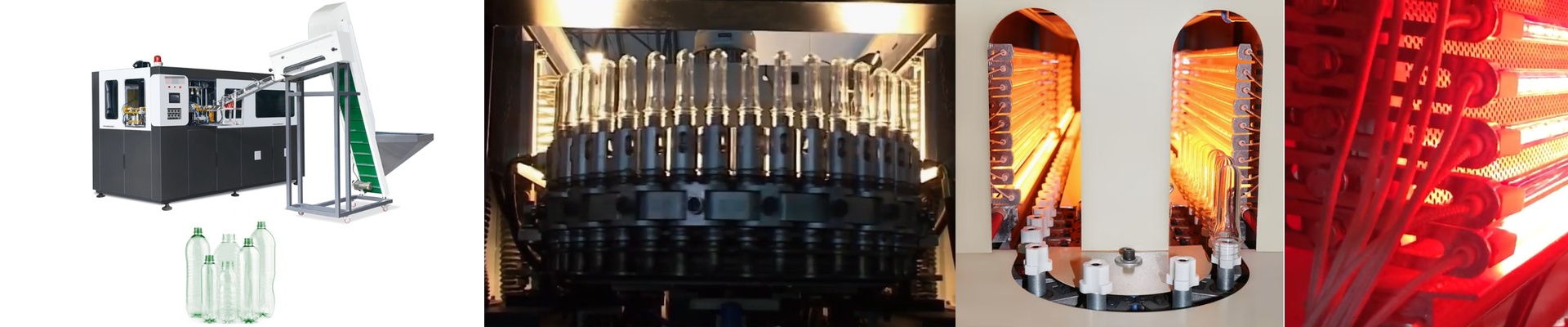
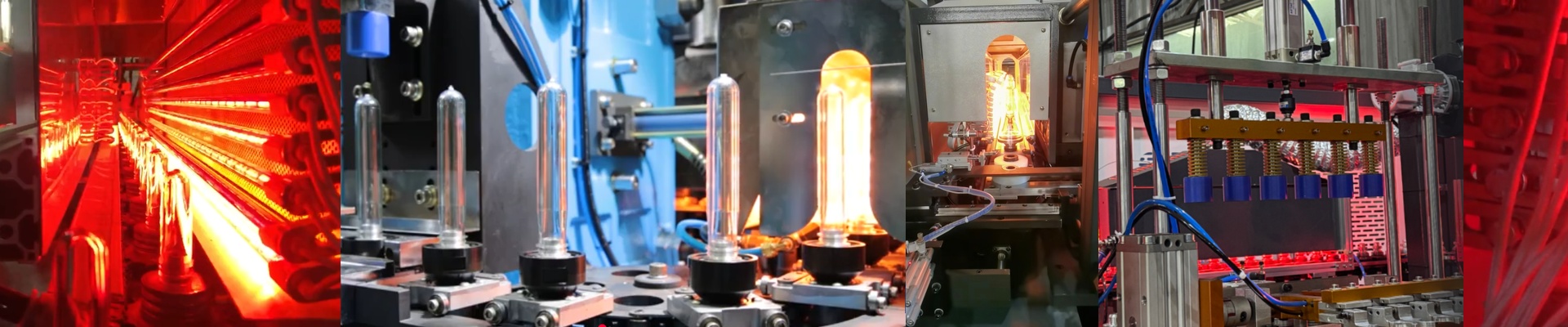
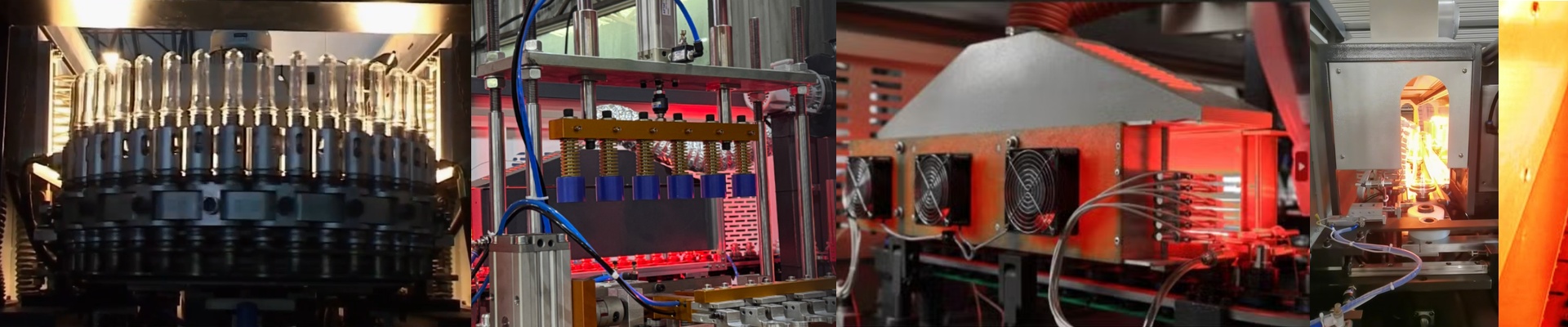
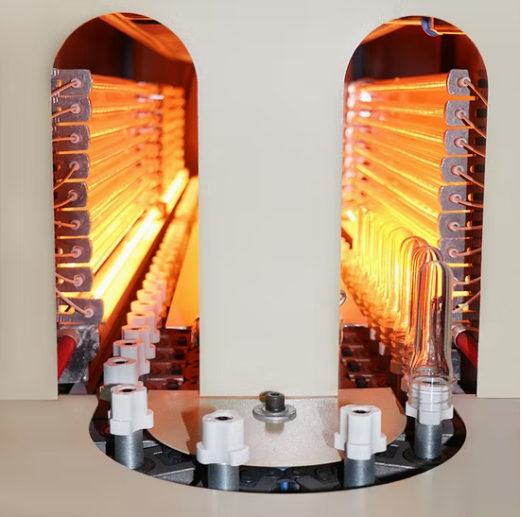
If you’ve ever dealt with wall thickness issues or bottles failing on a SIPA rotary line, you know the headache. One minute things are fine, and the next, you’re staring at inconsistent heat distribution. Most of the time, the culprit is actually pretty simple: the replacement lamps. Here’s the thing. If your replacement lamp is off by even 5% in wattage compared to the OEM specs, everything shifts. You start seeing these annoying heating fluctuations. Then, to keep the bottles from failing, you end up slowing down your whole cycle. It’s a frustrating way to run a plant. Getting the power right We build our lamps to hit 100% power parity with the original SIPA specs. Why? Because in a rotary oven, timing is everything. The PET preform needs to hit that glass transition temperature at the exact millisecond it hits the mold. If the voltage or wattage is off, the infrared spectrum shifts. That’s how you end up with “cold spots” or, even worse, plastic that’s been over-baked. No fuss, just a drop-in fit Nobody wants to spend their weekend rewiring an oven. That’s why we use heavy-wall quartz glass—to handle the thermal shock of rapid cycling—and stick to standard R7s or SK15 connectors. You just pop them in. No modifications, no custom brackets, no drama. Plus, the halogen gas fill keeps the filament from burning out early, which is a common nightmare with those cheap, low-grade alternatives. A few things to keep in mind Matching the power exactly solves the fluctuation problem, but it does put a steady load on your power supplies. Make sure your electrical contactors are clean and tight. And keep an eye on your cooling fans. High-wattage IR tubes put out a massive amount of heat. If your ventilation is clogged, the ambient temperature climbs, and your lamps won’t last nearly as long. One last tip: keep those reflectors polished. A dirty reflector kills the efficiency of even the best lamp on the market. Give them a scrub, and you’ll see the difference.