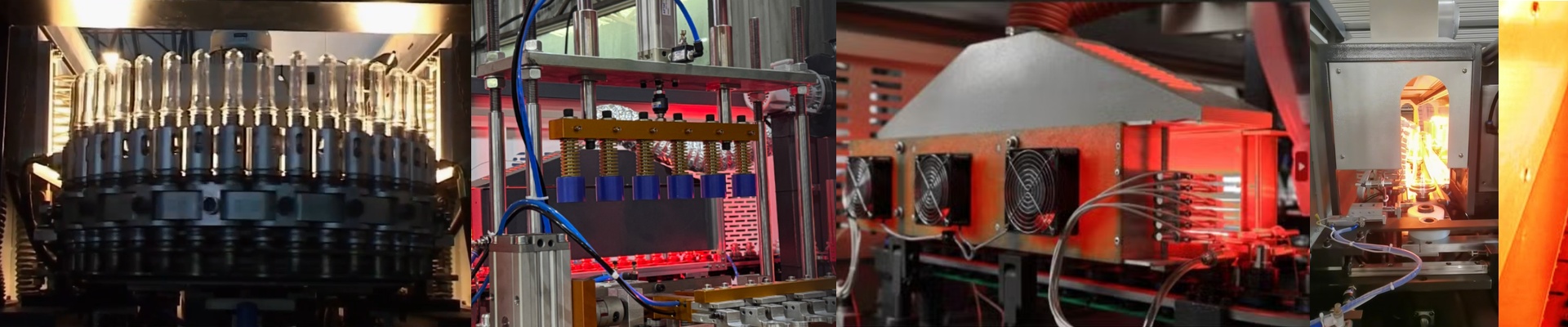
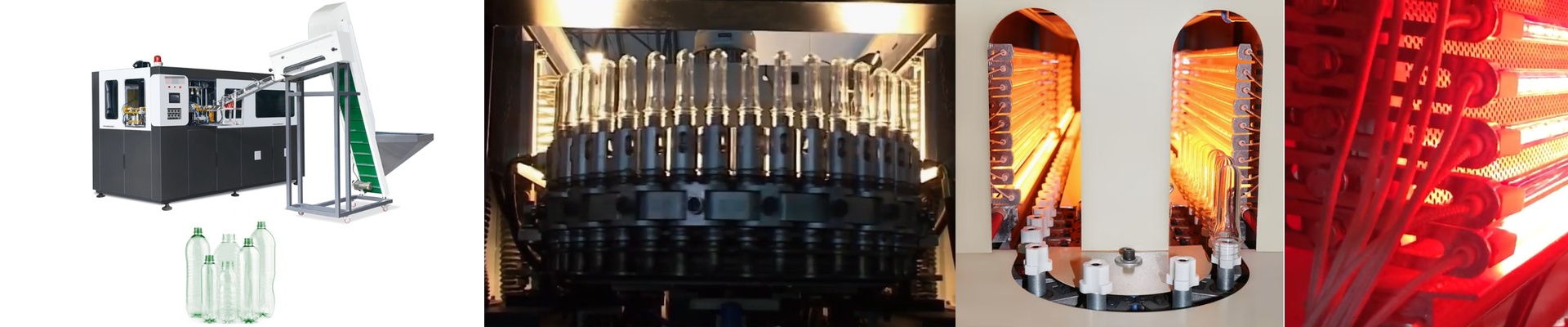
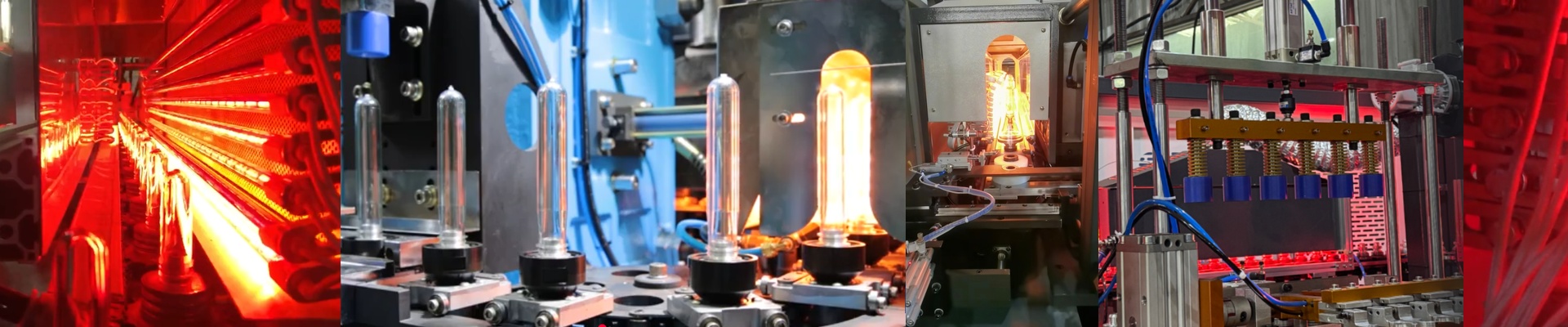
Getting Your KHS Blow Molding Heat Just Right
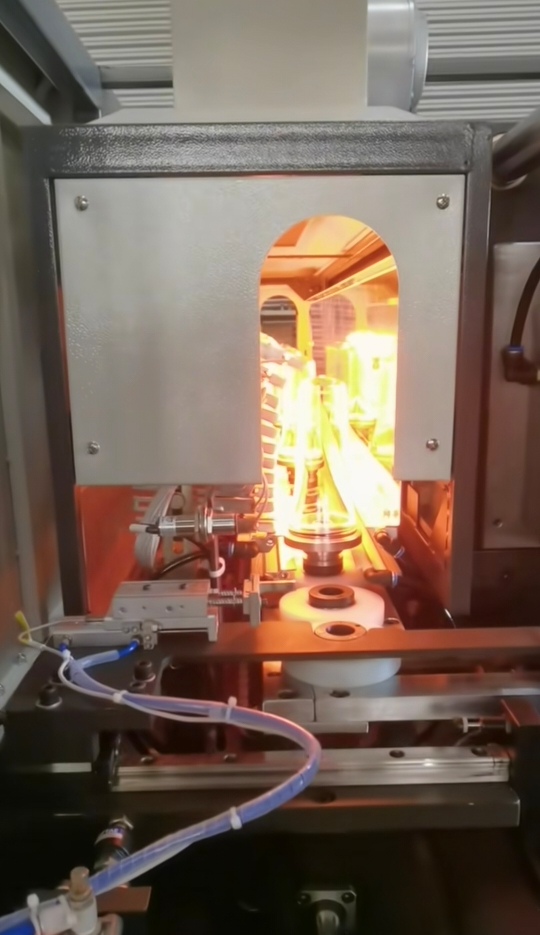
Ever pull a batch of PET bottles off the line and see that annoying pearlescence or uneven wall thickness? It’s frustrating. Usually, it comes down to one thing: your preforms aren’t heating evenly. Most of the time, the culprit is either a dying filament or an IR lamp that just isn’t putting out the right kind of heat. The secret is in the winding We don’t just make lamps; we make them to fit your KHS specs exactly. But the real magic is in how the filament is wound. If too much wattage bunches up at the ends, you get “hot spots.” Those are the killers—they burn the preform and ruin your yield. We use a calibrated process to keep the heat steady across the entire tube. No spikes, no dips. Just a smooth, flat thermal profile. The gear under the hood These lamps run on high-voltage circuits because heating PET fast takes a lot of muscle. We use quartz glass with specific coatings to shift the infrared emission. Basically, we make the light a “flavor” of heat that the plastic actually wants to absorb. The best part? They’re drop-in replacements. Whether you’re dealing with R7s or SK15 connectors, the pins fit tight. That matters because in a high-vibration environment, a loose fit leads to arcing. And arcing is the fastest way to burn out a brand-new lamp. A quick tip on installation Swapping them out is easy. Kill the power, pull the old tubes, and pop the new ones in. But here is the thing: you can have the most expensive lamp in the world, but if your reflectors are pitted or oxidized, you’re wasting your time. If you’re pushing for higher heat density to speed up your cycles, your reflectors are under a lot of stress. Keep them clean. If they’re dirty, that IR radiation just soaks into the machine frame instead of hitting the plastic. Keep the mirrors shiny, and the lamps will do the rest.