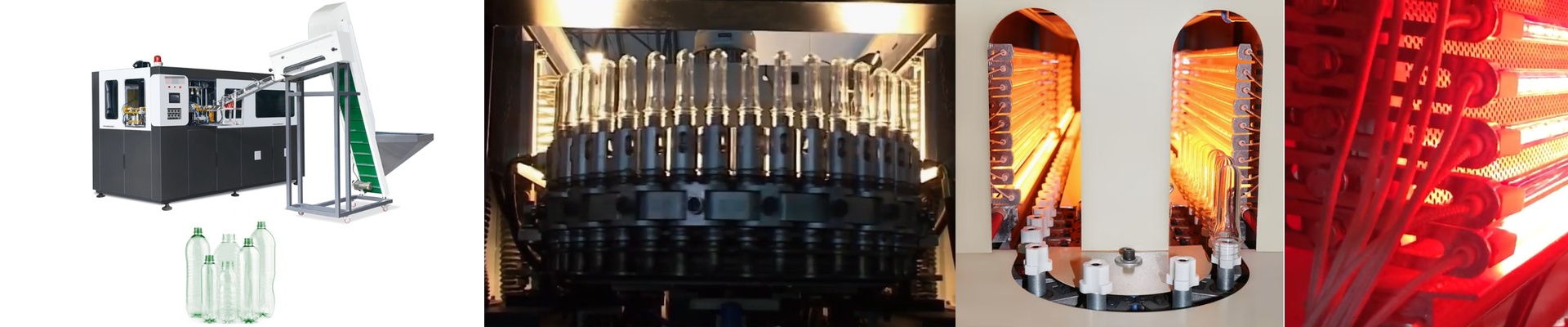
Making IR Lamps That Actually Fit Your PET Blowing Machine
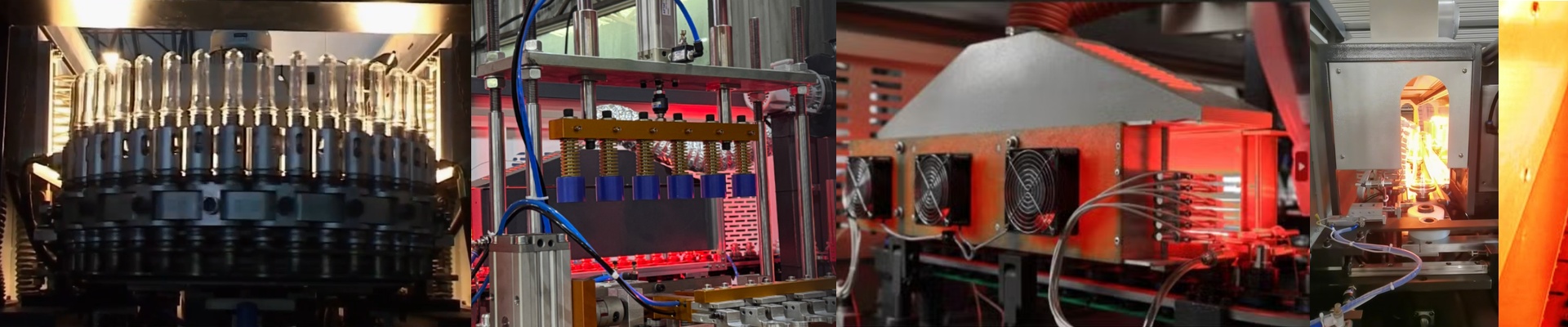
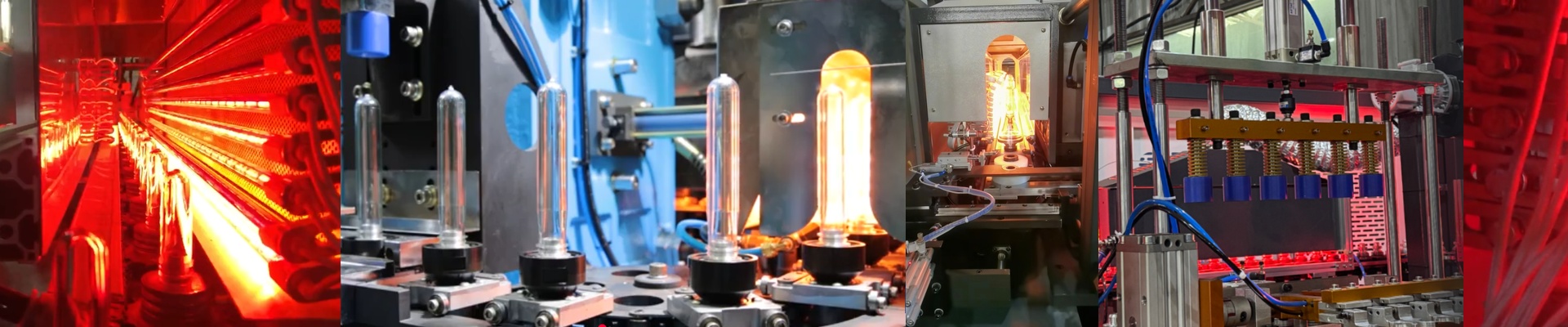
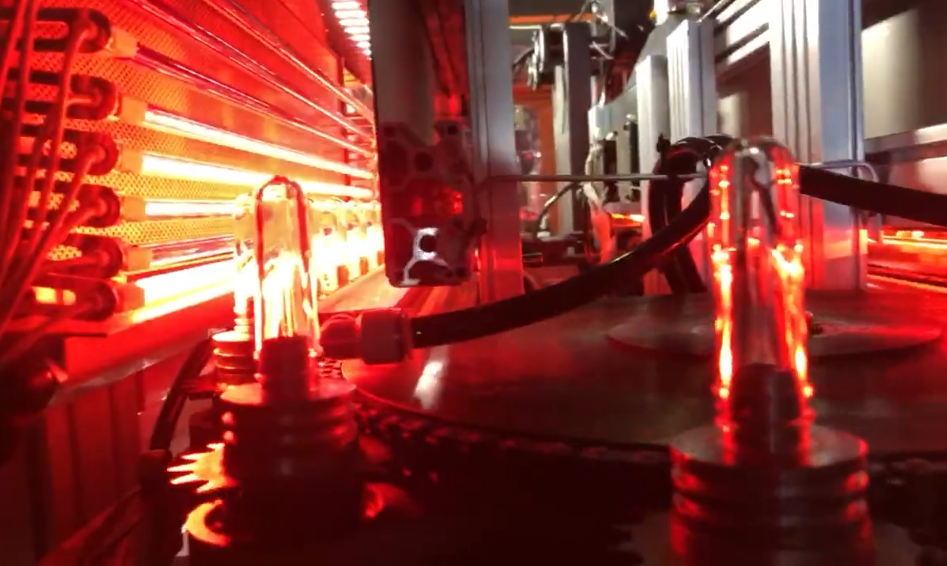
Let’s be honest: nobody wants to spend their afternoon fighting with a lamp that almost fits. When you’re blowing PET bottles, you need that plastic softened just right. Too cold and it won’t stretch; too hot and you’re scorching the material. We decided to stop worrying about brand names and start focusing on the physics. Our goal was simple: make lamps that drop right into about 95% of the machines out there without any drama. The power struggle Getting the voltage right is where most people run into trouble. Different machines from different eras all want something different. We build our tubes to handle everything from 220V to 400V so they play nice with your existing power supply. If you go for a high-wattage tube to speed up your cycle times, just keep an eye on your cooling system. If the air can’t move the heat away, those lamps are going to burn out way faster than they should. It’s a simple trade-off. Why the glass matters We use high-purity quartz because it doesn’t freak out when the temperature swings wildly. Inside, we use a halogen cycle. Without it, the tungsten filament evaporates and clouds up the glass, which kills your heat output. We also use some specialized coatings on certain lamps. Instead of just baking the surface of the plastic, these coatings help the heat soak deep into the PET wall. It’s a much cleaner way to get the job done. The “few millimeters” problem In this business, a couple of millimeters is the difference between a quick fix and a total headache. We obsess over the dimensions so our lamps sit perfectly in your reflectors. We stick to the basics—R7s and SK15 connectors—so you don’t have to rewire your oven or mess around with the holders. You just plug them in and get back to work. We keep a massive stock of the most common lengths and power ratings. We don’t care who built your machine; we just want to make sure that when a tube pops, you can swap it in minutes and keep the line moving.