
Giving Your Old Ovens a Second Life with Custom Infrared Elements
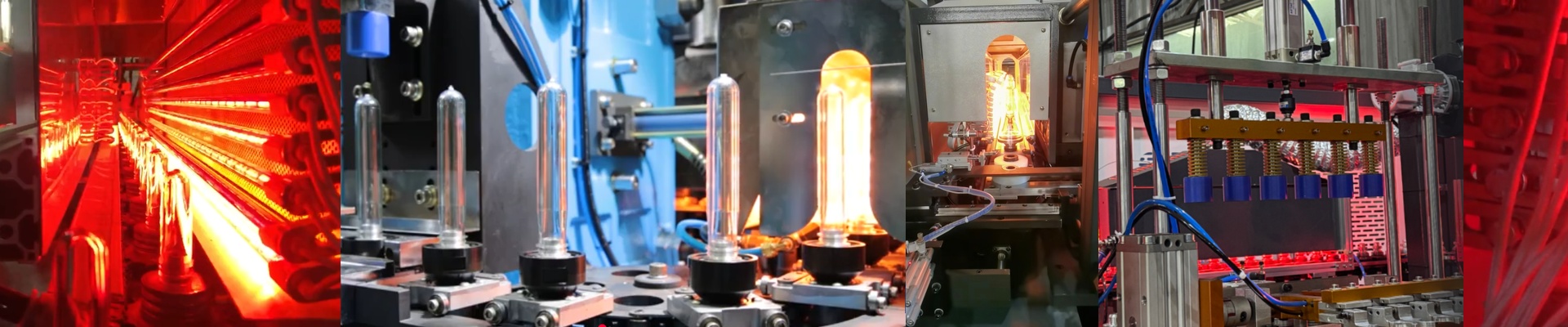
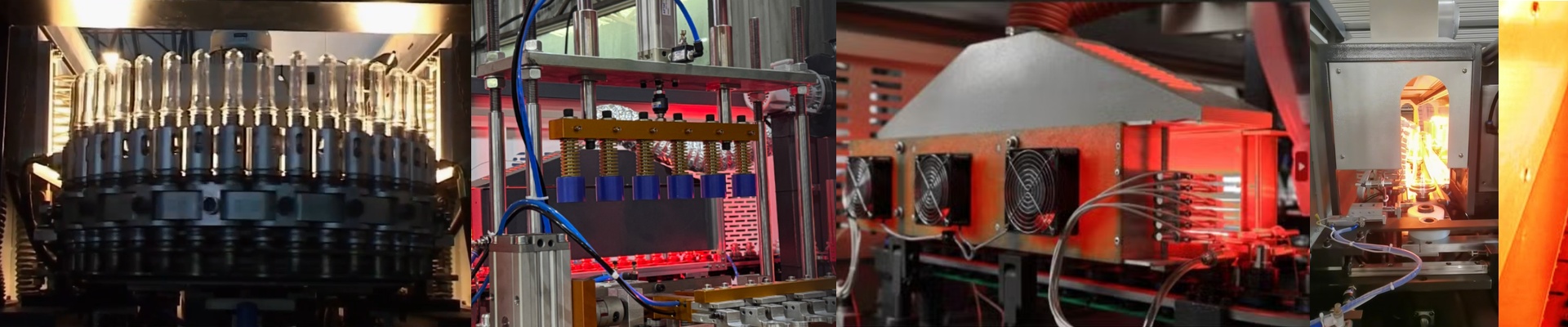
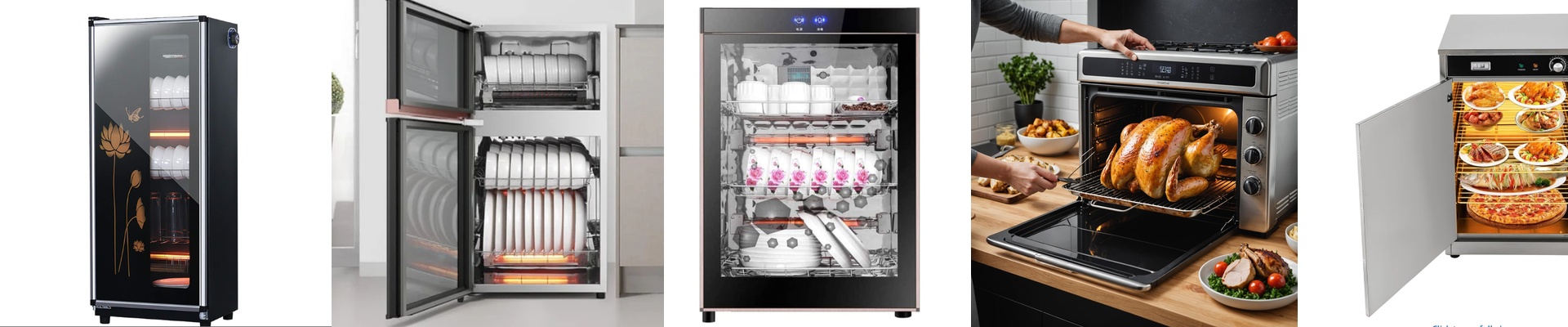
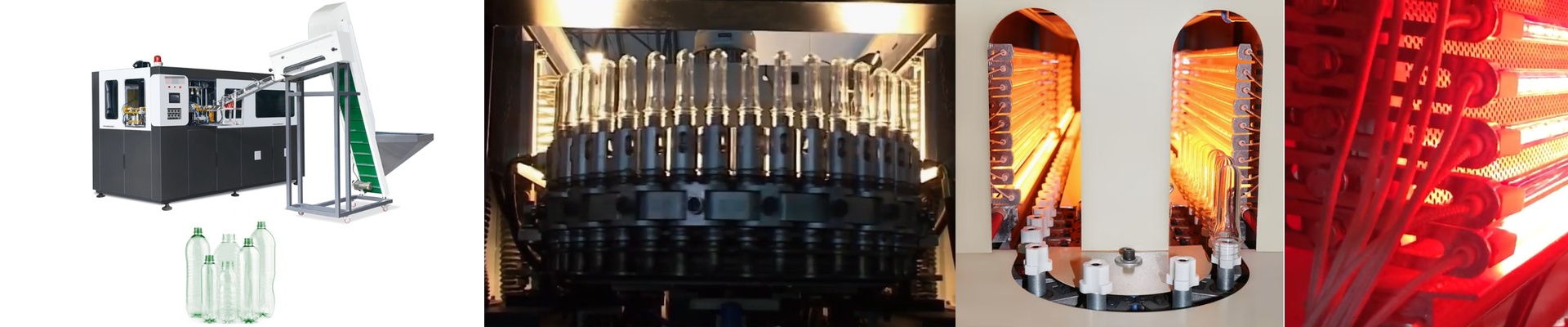
Let’s be honest: old restaurant ovens are workhorses, but they eventually get tired. You know the feeling. The heat isn’t what it used to be, or you’ve got those annoying cold spots where some trays come out perfect and others are barely warm. Most people just accept it as “old age,” but usually, it’s just the heating elements giving up. We fix that by swapping out those tired old coils for custom infrared ceramic tubes. And no, these aren’t some generic parts you find in a catalog. We build them specifically for your machine—matching your exact voltage and the space you’ve got to work with. Why infrared actually works Here is the thing about infrared: it doesn’t waste time warming up the air around the food. It just hits the food directly. It’s like the difference between standing in a warm room and feeling the sun hit your skin on a cold day. When we’re designing your replacement, we look closely at the wattage density. If we get that ratio right, your oven recovers its heat way faster. That means when you swing the door open during a dinner rush, you aren’t losing ten minutes of productivity while the oven tries to catch up. Built for the grime of a real kitchen Depending on what you’re cooking, we use high-purity quartz or ceramic. If you’re dealing with a lot of grease, we can use a coated tube. This stops the buildup from acting like a shield and blocking your heat. We also handle the boring stuff, like connectors. Whether you need R7s or Sk15, we make sure it plugs right in. You shouldn’t have to rip apart your oven’s chassis just to get a new element working. You tell us the length, the diameter, and the voltage. If you’re on a 220V system but you feel like the oven is lacking a bit of “oomph,” we can tweak the filament thickness to get you to that target temperature faster. The trade-off These are basically drop-in replacements. They kill the preheat time and get rid of those frustrating cold spots. But a quick heads-up: infrared heat is intense. It’s focused. If we push the wattage too high, there’s a chance you could warp the thinner interior panels of an older oven. Just make sure your ventilation is up to the task of handling that extra thermal load.