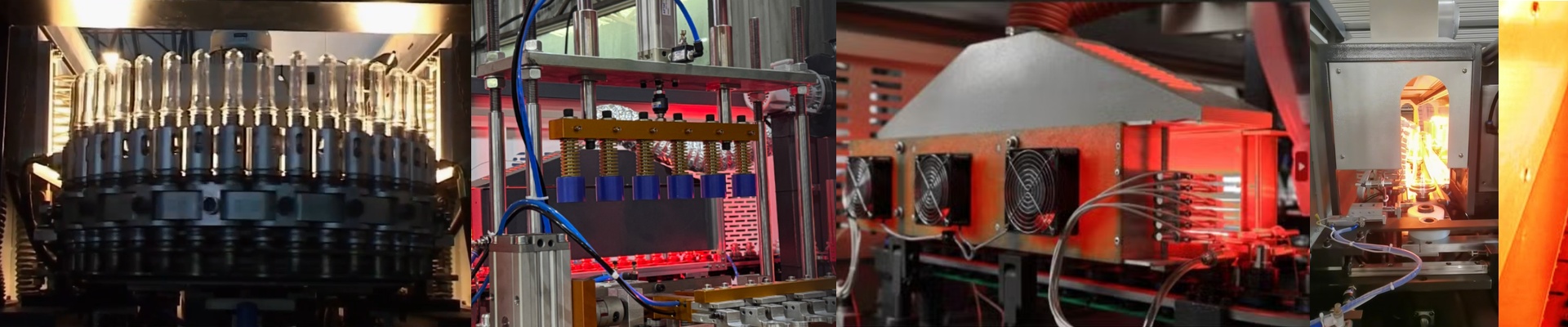
Stop Fighting Your SIPA Rotary Machine
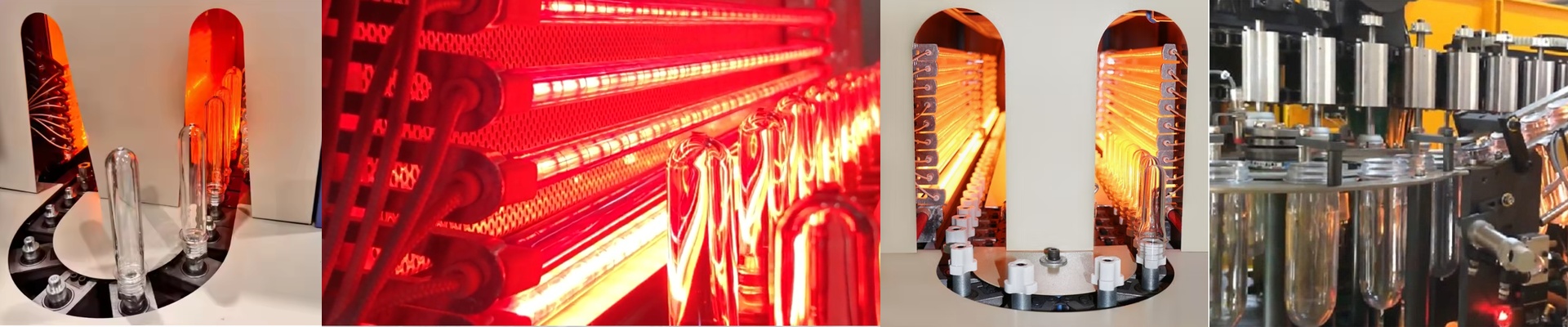
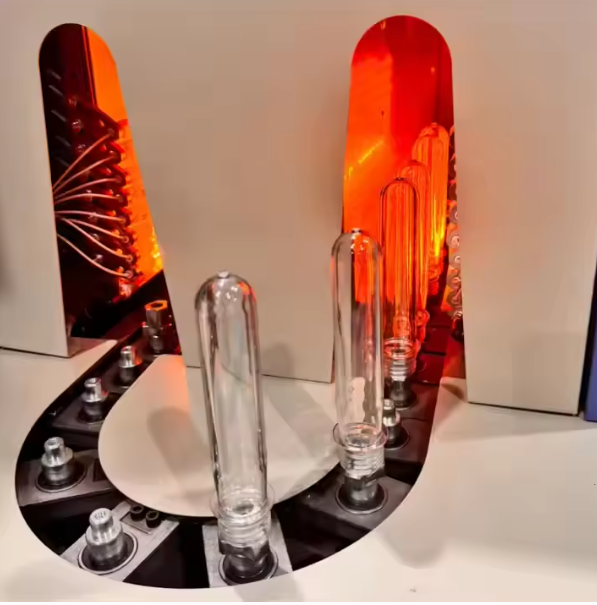
Ever deal with those annoying wall thickness variations in your PET bottles? One looks great, the next is too thin, and then—boom—a bottle fails. Most of the time, it comes down to inconsistent heating. If you’re running a SIPA rotary machine with Nissei ASB 70DP lamps, the real headache is usually a power mismatch. It sounds minor, but if your replacement lamps aren’t a perfect match for the original wattage and voltage, you’re asking for trouble. You end up with “cold spots” or areas that just overheat. We build our lamps to hit those power specs exactly. No guessing. No “close enough.” Just stability. Why the numbers actually matter Here’s the thing: if a lamp is off by even 5% in wattage, the infrared emission changes. For the ASB 70DP, everything is tuned to the machine’s power supply and the speed of the cycle. When the specs match, life gets easier. You don’t have to spend your afternoon messing with oven timers or tweaking blower pressure just to make up for a bad lamp. You just pop them in and get back to work. The nitty-gritty on quartz and coatings We use high-purity quartz because these lamps take a beating with rapid heating and cooling. Plus, we use specific coatings to shift the IR spectrum. This ensures the heat actually gets into the PET preform instead of just scorching the surface. And since the connectors match the original Nissei footprint, they just fit. No forcing terminals, no awkward bends. It just clicks into place. A quick word of caution Now, there’s a trade-off. High-density infrared lamps put a lot of stress on your electrical bus. While our lamps give you the stability you need, all that heat stays in the oven. Because of that, you’ve got to keep your cooling fans clean. If the airflow is blocked, your lamps will burn out faster, no matter how well they’re built. While you’re at it, keep those reflectors polished. It helps the heat go where it belongs and keeps the quartz from overheating.