




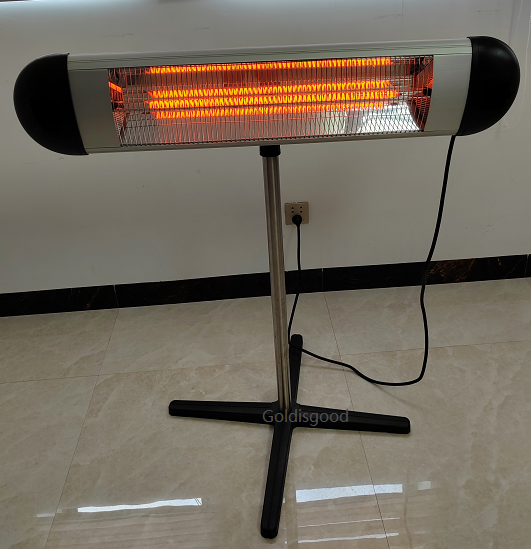
Keeping Your Bathroom Infrared Heaters from Becoming a Hazard
Putting an infrared heater in a bathroom is basically like inviting a fight with steam and splashes. If you don’t get the insulation right, you’re looking at short circuits or, even worse, someone getting a nasty shock while they’re just trying to dry off. To stop that from happening, we focus on two main things: the outer shell and the inner guts.
The Battle Against Steam
You’ll see the term “IP65” thrown around a lot. In plain English, it just means the unit is sealed tight enough that dust can’t get in and water jets can’t force their way inside. We make this happen with silicone gaskets and sealed cable glands. It sounds simple, but it’s critical. If a seal fails, moisture creeps in and hits the electrical terminals. In a humid bathroom, that moisture creates a bridge between the live wire and the metal frame. The trick is using high-temp seals. Cheap rubber warps or cracks when the lamp gets hot, but the good stuff stays put, keeping the electronics bone-dry.
Making Sure Nothing Leaks
Water loves to conduct electricity, so we have to block its path. We wrap the heating element in high-purity quartz glass. It’s a great insulator. On top of that, we use double-insulated cables and “pot” the connection points—basically sealing them in a protective compound so water can’t even get close. And you’ve got to ground the chassis. We build a dedicated earth bond right into the outer shell. That way, if there is a leak, the RCD trips instantly instead of turning the heater into a live wire.
The Trade-offs (The Part Most People Miss)
Here’s the thing: waterproofing comes with a catch. Heat. A sealed IP65 box traps heat way more than an open-frame heater does. If you cram a high-wattage lamp into a tiny sealed box, the inside is going to get scorching. If you aren’t careful, the wiring insulation will actually melt over time. You have to size your heat sink or the housing volume correctly to give that heat somewhere to go. Oh, and double-check your RCD sensitivity. In a wet zone, you want a 30mA trip threshold. It’s the best way to keep everyone safe from those sneaky leakage currents.