Why We Stopped Making “Disposable” Patio Heaters
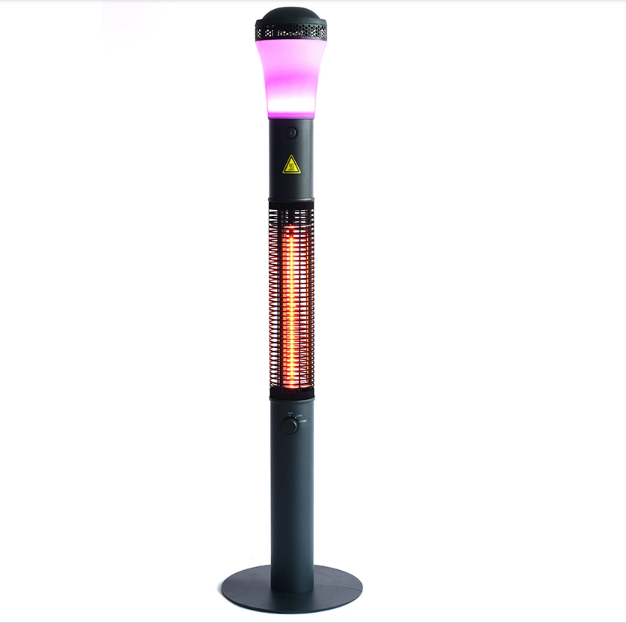
Let’s be honest: most waterproof patio heaters are designed to be thrown away. You spend a decent amount of money on a fixture, it works great for five years, and then one heating tube burns out. Because the elements are usually welded or hard-wired into the frame, you can’t just fix it. The whole thing becomes a giant piece of scrap metal. It’s frustrating, and it’s a waste. We decided to do things differently. We built our infrared modules to be simple, drop-in replacements.
The idea is simple
We stopped soldering the heating elements directly to the housing. Instead, we switched to standardized connectors. Here is why that actually matters: when a tube eventually goes out, you don’t have to spend your afternoon tearing down mounting brackets or messing with the wiring. You just pop the housing open, pull out the old tube, and slide in a new one. It turns a grueling multi-hour repair job into something that takes a few minutes. Plus, since you aren’t cutting into the main chassis to get to the guts of the machine, your waterproof seal stays exactly where it should be.
The tricky part (and how we fixed it)
Waterproofing is a bit of a paradox. To keep the rain out, you need a tight seal—but tight seals usually make repairs a nightmare. To get around this, we used gaskets that compress right around the module interface. You still get that IP-rated protection against humidity and storms, but the element is still easy to reach. Now, since we’re using connectors instead of welds, there’s a tiny bit of contact resistance. It’s a trade-off. To make sure you don’t lose any heat, we used high-conductivity alloy terminals. You get the convenience of a modular system without sacrificing the wattage.
Playing the long game
Heating tubes have a shelf life. It’s just physics. If you’re running a commercial patio, some tubes are going to give up before others. With a modular setup, you only replace the part that actually broke. No wasted hardware. No replacing a perfectly good heater just because one section died. You just swap the tube and get the heat back on.