
Inside the Heat: The Power Behind the Flame
Here’s how we built this fake flame heater to actually work for you, not just look the part. We started with a 400V, 2500W halogen lamp. Why? Because industrial heating needs serious power, but nobody has space to waste. Running at 400V keeps the current lower than a 230V setup, which means less voltage drop and you can use thinner wires, even over longer runs. And that 2500W rating? It means heat, and fast. No waiting around for a giant element to slowly warm up. You flip it on, and you feel the heat almost immediately. The tube is 300mm long—a sweet spot we landed on after a lot of trial and error. Long enough to spread the warmth across a decent area, but short enough to slip into tight spots and tight fixtures.
The Build: Quartz, Coating, and a Smart Base
The heart of it is a quartz envelope. It handles those brutal temperature swings without cracking, which is exactly what you need when you’re turning heat on and off all day. Inside, the halogen cycle does its thing, redepositing evaporated tungsten back onto the filament. That keeps the output steady over time, so it doesn’t fade on you when you need it most. We also added a reflective coating on the tube to push infrared energy forward. More heat where you aim it, less wasted sideways. And the base? It’s an R7s. Practical, reliable, and it locks in solid. When it’s time to replace the lamp, it’s a quick, straightforward swap—no fussing around.
Where It Shines: Fast, Focused Heat
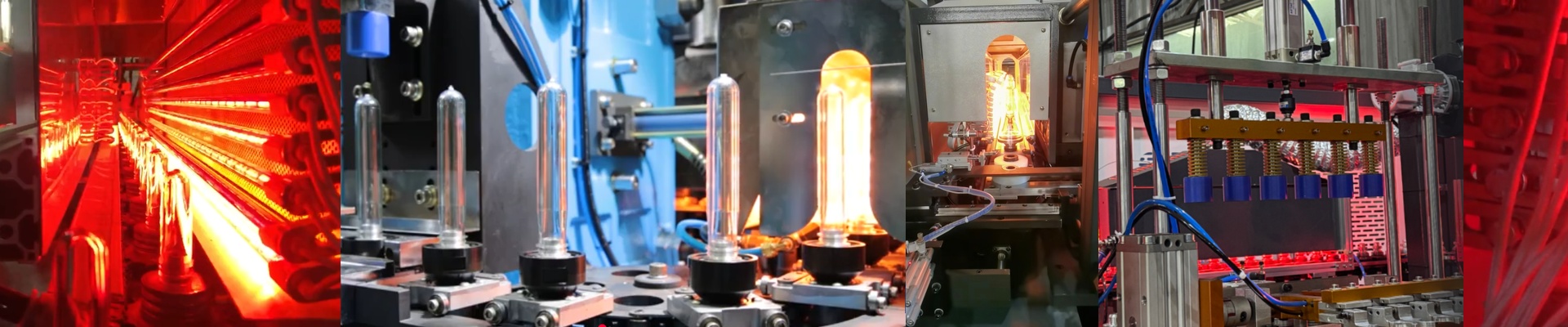
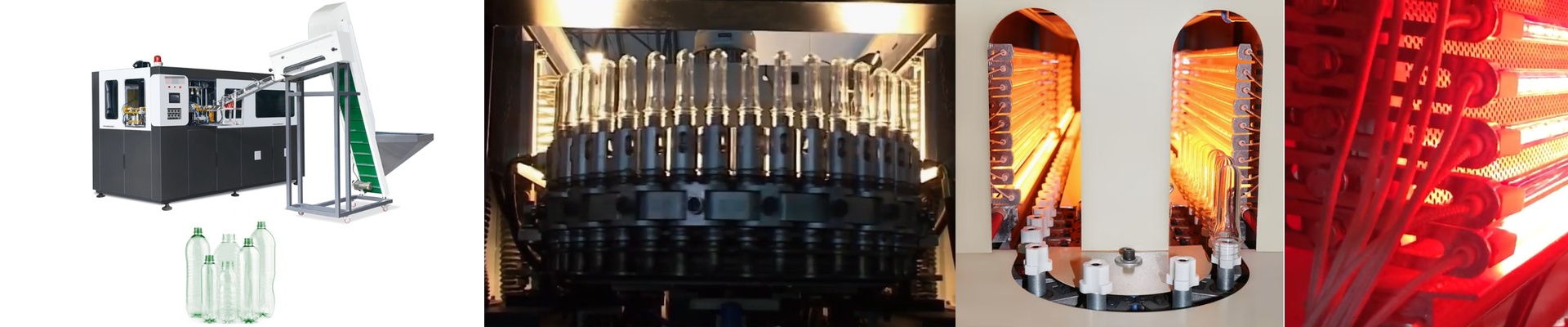
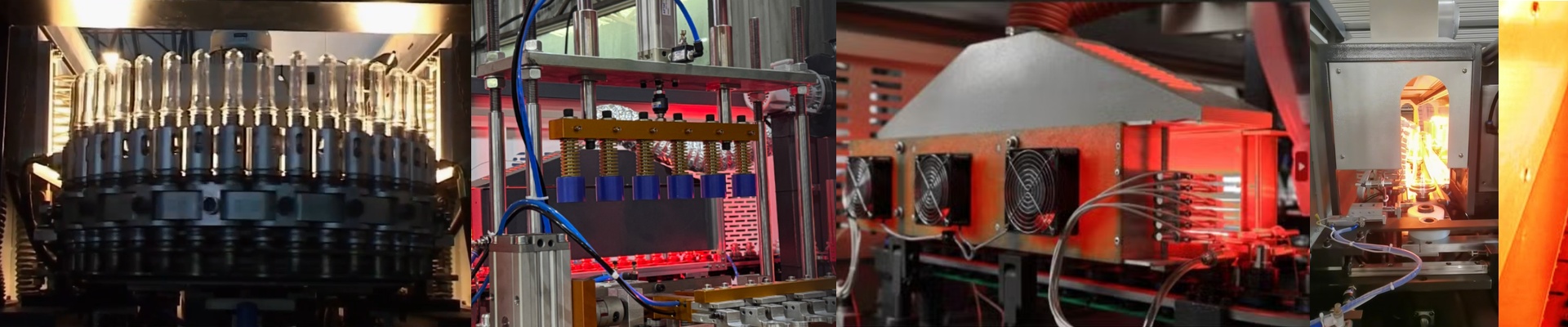
This setup is for the jobs that demand intense, targeted heat. Think plastic softening, sealing, or spot heating on a production line. The heat density is high, so your cycle times stay short. But here’s the catch: that kind of power means you’ve got to plan your cooling and clearances. If you’re running it in a tight space, you absolutely need proper airflow and thermal shielding. It’s not optional. You’ve got to protect the surrounding parts, and keep the lamp itself from overheating.
The Honest Truth About Heat and Cooling
Packing 2500W into a 300mm tube creates serious heat density. That’s the point—but it also means you need to match your cooling and mounting spacing to the job. If you don’t plan your guard and airflow up front, you’ll shorten the lamp life and risk overheating nearby components.
What It Feels Like on the Floor
This heater was built for real industrial work—where you need focused infrared heat, fast, and you need it to be predictable. The 400V, 2500W design, the 300mm quartz tube, and the R7s base come together to make installation quick and performance steady. It’s tough enough to handle repeated heating cycles, and when service time comes, replacement is straightforward.
The Reality Check You Can’t Skip
High power means high temperatures. Make sure your enclosure ventilation and thermal clearances are nailed down. If the surroundings can’t shed heat, you’ll see the lamp life drop and you’ll start getting control issues.
Built for the Tough Stuff
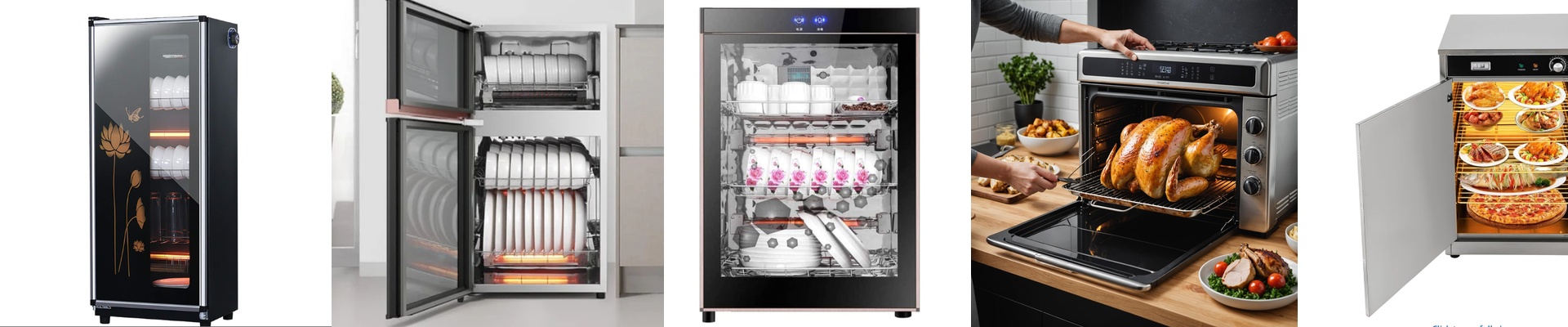
Whether you’re softening plastic, sealing edges, or hitting precise spots on a line, this fake flame heater brings focused heat where you need it. The 400V, 2500W design delivers serious power in a small footprint, and the R7s base makes swapping lamps a non-event.
The Bottom Line on Heat
Squeezing 2500W into a 300mm tube leaves tight thermal margins. Your machine’s cooling and guarding have to be up to the task. If they’re not, you’ll end up wrestling with temperature drift and parts failing early.